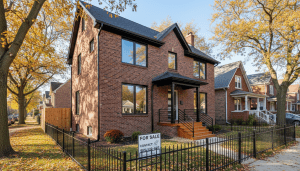
The narrative surrounding the Detroit housing market has shifted dramatically over the last decade. Long characterized by bargain-basement auction prices and unchecked speculation, the landscape for real estate investing in Detroit is maturing into a market defined by steady appreciation, tighter inventory, and a renewed focus on neighborhood stabilization.
According to recent data released by the City of Detroit, property values have seen consecutive years of growth, signaling an end to the volatility that once defined the local sector. For investors and residents alike, this transition marks a pivotal moment. The days of purchasing habitable homes for a few thousand dollars are largely over, replaced by a competitive environment where rehabilitation and long-term holding strategies are becoming the norm.
Shifting Trends in Real Estate Investing in Detroit
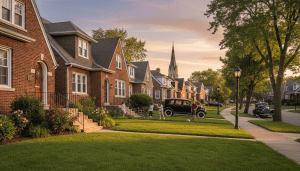
The stabilization of the Detroit market is driven by several converging factors: a reduction in blight, strategic demolition by the Detroit Land Bank Authority (DLBA), and increased enforcement of rental codes. While Downtown and Midtown have long been the darlings of major developers, the current wave of investment is flowing into neighborhoods like Bagley, East English Village, and the Aviation Subdivision.
Data from the City of Detroit Office of the Assessor indicates that residential property assessments have risen significantly across the city, bringing tax assessments closer to true market value. This shift has altered the calculus for investors.
“The market is no longer about buying sight-unseen from out of state hoping for a quick flip on a shell,” says Marcus Turner, a local property manager and housing advocate. “Today, real estate investing in Detroit requires capital for serious renovations and an understanding of compliance. The city is cracking down on non-compliant landlords, which is raising the barrier to entry but improving the quality of housing stock.”
Inventory shortages are also playing a role. As the DLBA works through its inventory of auctionable homes, the supply of distress-sale properties is shrinking. This scarcity is pushing prices upward, forcing investors to look for value-add opportunities in areas previously ignored.
Impact on Detroit Residents
For longtime Detroiters, the influx of investment capital brings a complex mix of relief and anxiety. On one hand, the elimination of blight and the renovation of vacant structures increase the equity of existing homeowners. For the first time in years, many Detroit residents are seeing their homes build real generational wealth as appraisal gaps close.
However, the rise in property values translates to higher property taxes and increased rents. Tenants, who make up a slight majority of Detroit’s population, are particularly vulnerable. As investors renovate properties, rents often rise to match the improved conditions, potentially displacing lower-income residents.
The city has attempted to mitigate this through programs offering property tax exemptions for legacy residents and affordable housing mandates for developers receiving subsidies. Yet, the tension between revitalization and gentrification remains a central topic in community meetings.
Local advocacy groups emphasize that ethical neighborhood revitalization projects must prioritize existing community members. “We want development, but we want development that includes us,” states a representative from a block club in the Russell Woods area.
Background & Data: The Numbers Behind the Shift
To understand the current state of real estate investing in Detroit, one must look at the hard data. Reports from Detroit Future City highlight that while the median home sale price has risen, it still lags behind the national average, keeping Detroit attractive to outside capital.
- Appreciation: In 2023 alone, residential property values in the city jumped significantly, marking the sixth consecutive year of growth.
- Rental Compliance: The City’s rental ordinance requires landlords to register properties and pass lead clearance inspections. Enforcement has ramped up, forcing