As Detroit moves closer to the middle of the decade, the landscape of the city’s housing sector is undergoing a profound transformation. The Detroit real estate 2026 outlook suggests a shift from the rapid, speculative appreciation seen in the early 2020s toward a more mature, stabilized market characterized by strategic density and neighborhood-level reinvestment. City planners and economists indicate that the narrative is no longer just about the recovery of the downtown core, but the sustainable growth of residential districts that were once overlooked.
Projected Market Trends and Neighborhood Stability
Data from the Southeast Michigan Council of Governments (SEMCOG) suggests that Detroit’s population stabilization efforts are beginning to yield results in the housing sector. By 2026, the Detroit housing market is expected to see a significant increase in the availability of multi-family units, particularly in areas like Corktown, Brush Park, and the burgeoning West Village. This increase in inventory is a direct response to the high demand for walkable, urban living environments that cater to a diversifying workforce.
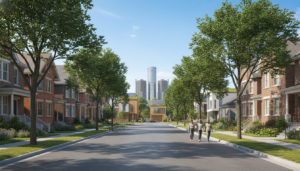
According to reports from the City of Detroit Planning and Development Department, several key infrastructure projects are slated for completion by early 2026. These developments are anticipated to anchor local property values, providing a buffer against national economic volatility. The focus has shifted toward “middle neighborhoods”—areas that sit between the high-cost downtown district and the outer edges of the city—where property investment Detroit opportunities are becoming increasingly attractive to middle-income families and first-time buyers.
Home Prices and Affordability Forecast
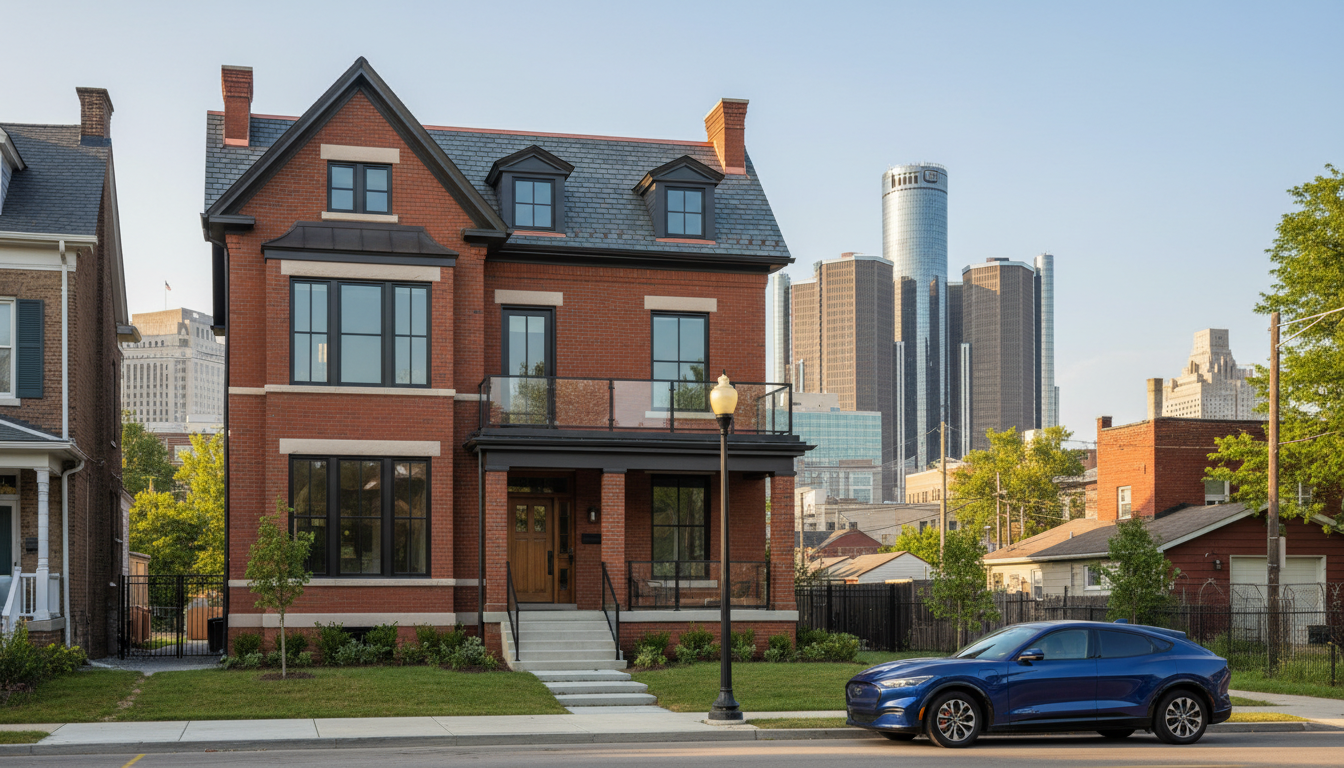
Reflecting on historical trends provided by the S&P CoreLogic Case-Shiller index, analysts expect home prices Detroit to maintain a steady upward trajectory of 3% to 5% annually through 2026. While this is a cooling from the double-digit spikes observed in 2021, it represents a healthier, more predictable environment for both buyers and sellers. In neighborhoods like University District and East English Village, renovated single-family homes are projected to command premium prices, while remaining significantly more affordable than comparable assets in Chicago or Minneapolis.
Economic experts suggest that the “buy house Detroit” sentiment remains strong due to the city’s relatively low entry point compared to other major Midwestern hubs. However, the 2026 market will likely see stricter appraisal standards as the volume of comparable sales increases, providing more transparency for lenders and investors alike. This maturation of the market is expected to reduce the risks associated with property flipping and encourage long-term equity building.
Impact on Detroit Residents
For long-term Detroit residents, the 2026 real estate landscape presents both opportunities and challenges. The rise in property values has bolstered the net worth of many legacy homeowners, particularly through programs like the Detroit Homegrown initiative. However, rising valuations also bring the prospect of increased property tax assessments. To mitigate this, the city has expanded its tax relief programs, ensuring that long-term residents are not priced out of their own neighborhoods.
Local community organizers have noted that the 2026 market will be defined by the success of affordable housing mandates. As new luxury developments break ground, city ordinances requiring 20% affordable units are expected to be strictly enforced. This policy is aimed at preventing the displacement of the city’s essential workforce, ensuring that the Detroit real estate 2026 evolution remains inclusive of all income levels.
Investment Landscape and Commercial Conversions
The nature of property investment Detroit is also evolving. Investors are moving away from speculative land banking and toward adaptive reuse projects. Many of the vacant industrial spaces along the North End and Milwaukee Junction are scheduled to complete their transitions into mixed-use residential lofts by the 2026 fiscal year. These projects are often supported by state-level tax credits aimed at historical preservation and urban density.
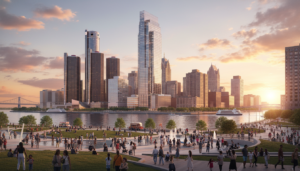
Furthermore, the completion of the Joe Louis Greenway and the expansion of the Detroit Riverfront are serving as catalysts for residential demand. Real estate professionals observe that proximity to green space has become a primary driver for property value, a trend that was accelerated by post-pandemic lifestyle shifts. For more information on how these developments are shaping our city, residents can view our previous coverage on neighborhood revitalization strategies and our detailed economic growth report.
Background and Historical Context
The journey to the 2026 market began with the post-bankruptcy resurgence that initiated in 2014. For over a decade, Detroit has transitioned from a city with an abundance of distressed inventory to one with a tightening supply of move-in-ready homes. U.S. Census Bureau data from the mid-2020s highlighted a significant increase in the percentage of owner-occupied housing units within the city limits, a metric that city officials view as a primary indicator of long-term civic health.
The integration of technology in the local real estate sector, including the city’s digital property dashboard, has made it easier for residents to track ownership and development plans. This transparency has been vital in restoring trust in the local market, attracting institutional investors who were previously hesitant to enter the Detroit space.
What Happens Next: Looking Toward 2027
As the city moves through 2026, the focus will likely turn toward the sustainability of the current growth model. Analysts will be watching the interest rate environment closely, as any significant shifts at the federal level could impact the pace of new construction. However, with the ongoing diversification of Detroit’s economy—spanning from automotive technology to healthcare and insurance—the housing market is better positioned than ever to weather external shocks.
The next two years will be critical for the completion of major commercial-to-residential conversions in the Financial District. If these units are absorbed as quickly as projected, Detroit may see a second wave of high-density development heading into the late 2020s. For now, the Detroit real estate 2026 outlook remains cautiously optimistic, grounded in tangible infrastructure improvements and a steady influx of new residents seeking the unique cultural and economic opportunities that only the Motor City can provide.