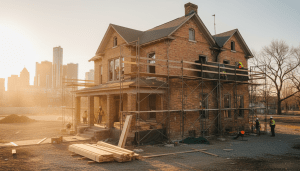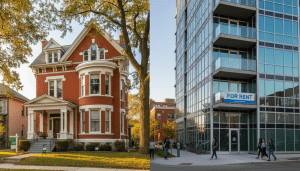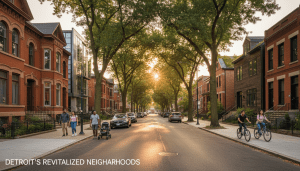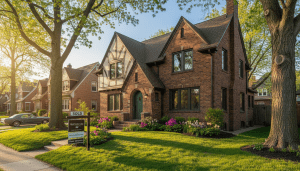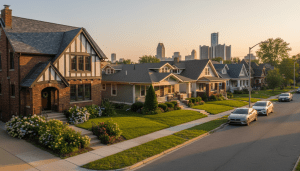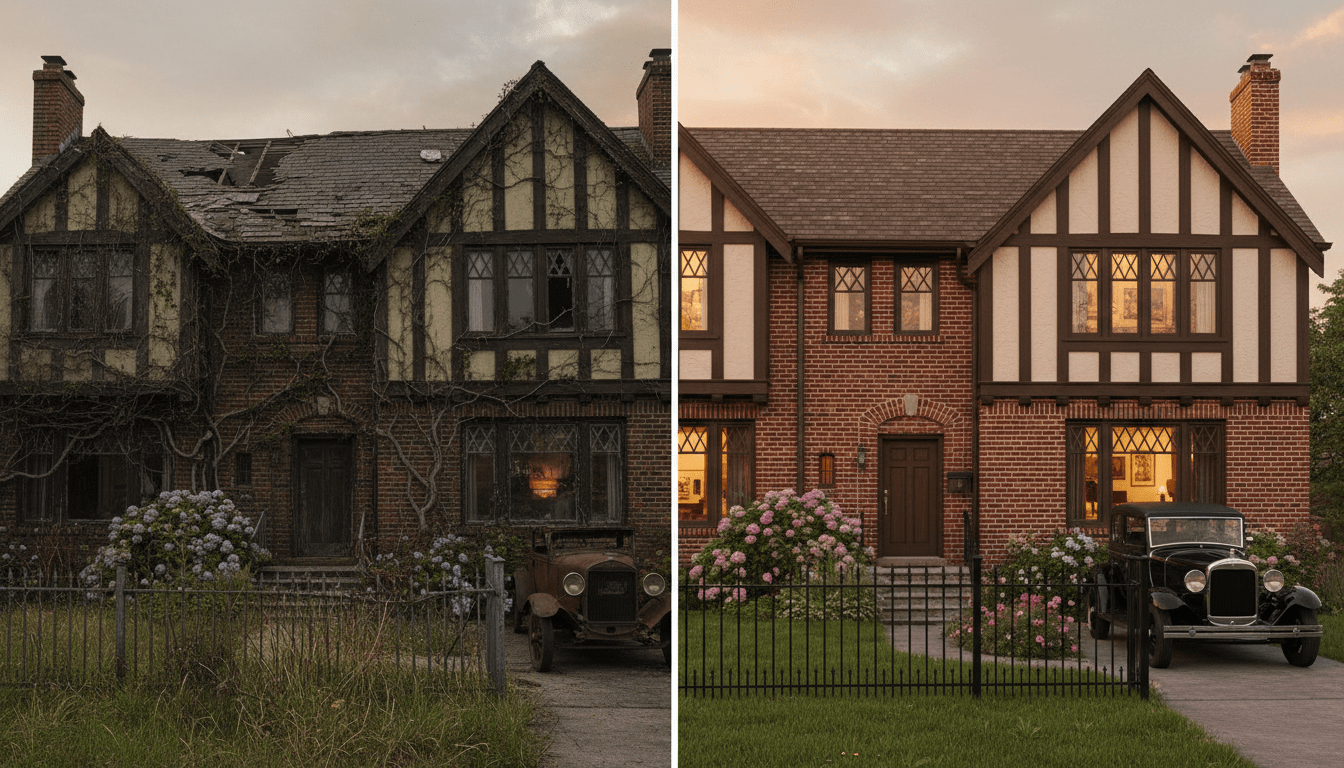
For many prospective homebuyers and investors, the allure of Detroit lies in its architecture. From the stately Tudors of the University District to the sprawling mansions of Boston-Edison and the intricate brickwork of West Village, the city boasts some of the finest pre-war housing stock in the United States. However, renovating historic Detroit homes is a complex undertaking that requires navigating a unique maze of city regulations, financial incentives, and structural challenges.
As the city continues its trajectory of revitalization, the restoration of these properties has become a focal point for neighborhood stabilization. Yet, for the uninitiated, the process can quickly shift from a passion project to a bureaucratic hurdle. Understanding the role of the Historic District Commission (HDC), the reality of abatement costs, and the availability of tax credits is essential for any project’s success.
Navigating the Historic District Commission
The first step in renovating historic Detroit homes is determining whether the property lies within one of the city’s designated local historic districts. According to the City of Detroit, there are over 140 historic districts across the municipality. If a home is located in areas like Indian Village, Corktown, or Palmer Woods, almost all exterior work is subject to review.
The Detroit Historic District Commission (HDC) is the regulatory body responsible for ensuring that changes to these properties preserve the city’s architectural heritage. Homeowners cannot simply replace original wood windows with vinyl alternatives or alter the pitch of a roof without approval.
Before obtaining a building permit, owners in these districts must secure a "Certificate of Appropriateness." This document certifies that the proposed work meets the Secretary of the Interior’s Standards for Rehabilitation. Common pitfalls for new owners often involve roofing materials, window replacements, and porch repairs. The HDC generally requires that distinctive materials and features be preserved or replaced in-kind.
"The goal isn’t to freeze a neighborhood in time, but to manage change in a way that respects the character that makes these neighborhoods valuable in the first place," states documentation from the Planning and Development Department. For residents, this means project timelines can be longer, and material costs higher, than standard renovations in non-designated zones.
Financial Incentives: Making Preservation Viable
While the regulations are strict, the financial incentives for renovating historic Detroit homes are among the most robust in the Midwest. Because the cost of restoration often exceeds the immediate market value of the home—a "appraisal gap" common in recovering markets—these programs are vital for feasibility.
Neighborhood Enterprise Zones (NEZ)
One of the most significant tools for Detroit homeowners is the Neighborhood Enterprise Zone (NEZ) property tax abatement. Specifically, the NEZ-Rehab certificate allows homeowners to freeze the taxable value of their home at pre-rehabilitation levels for up to 15 years. For a property undergoing a major overhaul, this can save owners tens of thousands of dollars in property taxes over the life of the abatement, making the monthly carrying costs significantly more affordable.
To qualify, residents must apply before permits are pulled and commit to a minimum investment amount. Data from the City of Detroit’s Assessment Division indicates that thousands of residents have utilized NEZ certificates to offset the high tax rates often cited as a barrier to homeownership in the city.
Federal and State Tax Credits
For income-producing properties (which can sometimes include duplexes where the owner lives in one unit), the Federal Historic Preservation Tax Credit offers a 20% credit on qualified rehabilitation expenses. Furthermore, the State of Michigan recently reinstated its state historic tax credit program, which aims to support smaller-scale residential projects that were previously difficult to finance.
These incentives are designed to bridge the gap between construction costs and the finished value, encouraging investment in neighborhoods that have suffered from decades of disinvestment.
Impact on Detroit Residents and Neighborhoods
The push for renovating historic Detroit homes affects more than just the individual homeowner; it has a ripple effect on the community. Long-term Detroit residents have seen their property values rise as blighted shells are converted back into occupied homes. This reduction in blight is directly correlated with increased public safety and community cohesion.
However, the trend also brings concerns regarding gentrification and displacement. As property values rise, tax assessments for long-time residents can increase. Programs like the HOPE (Homeowners Property Exemption) program are critical in ensuring that legacy residents are not priced out of the neighborhoods they helped sustain during lean years.
Local contractors also benefit from the specialized nature of these projects. Restoration requires skilled tradespeople capable of masonry restoration, slate roofing, and carpentry—skills that are in high demand. This has spurred workforce development initiatives aimed at training Detroiters in historic preservation trades, creating local jobs that pay well above minimum wage.
Background & Data: The Scope of the Challenge
Detroit’s housing stock is aging. According to U.S. Census Bureau data, the majority of Detroit’s housing units were built before 1950. This means that infrastructure issues such as lead plumbing, asbestos insulation, and knob-and-tube wiring are pervasive.
Renovators must budget for these "invisible" costs. A cosmetic flip is rarely possible in Detroit’s historic context. The Detroit Land Bank Authority, which has sold thousands of properties through its auction program, mandates strict compliance timelines for renovation, forcing buyers to address structural and safety issues immediately.
In 2024, the cost of construction materials remained high, complicating budgets further. Industry reports suggest that renovating a historic home in Detroit can cost between $150 to $250 per square foot, depending on the level of finish and the condition of the mechanical systems.
What Happens Next?
Looking toward the remainder of 2025, the appetite for renovating historic Detroit homes appears to be shifting from pure speculation to owner-occupancy. As the inventory of turnkey homes remains low, more buyers are willing to take on renovation projects to secure a foothold in coveted neighborhoods.
The city is also streamlining processes. Efforts to digitize permit applications and increase staffing at the Buildings, Safety Engineering, and Environmental Department (BSEED) aim to reduce bottlenecks. For Detroit, the restoration of these homes is not just about real estate; it is about reclaiming the city’s identity, brick by brick.