As Detroit continues its trajectory of economic recovery and infrastructural development, the conversation surrounding public safety remains a pivotal factor for current residents and potential newcomers alike. While the city has grappled with reputational challenges regarding crime for decades, recent data analysis and community reports identify distinct pockets within the city that consistently maintain high safety metrics. Identifying the safest neighborhoods in Detroit is no longer just about looking at historic enclaves; it involves analyzing shifting demographics, community policing efforts, and the impact of new developments.
According to recent statistics from the Detroit Police Department and neighborhood livability rankings from Niche, safety in Detroit is highly localized. The data suggests a strong correlation between active neighborhood associations, high homeownership rates, and lower crime statistics. For families and professionals looking to settle in the Motor City, understanding these nuances is critical to navigating the local housing market.
Historic Districts Maintain Top Safety Rankings
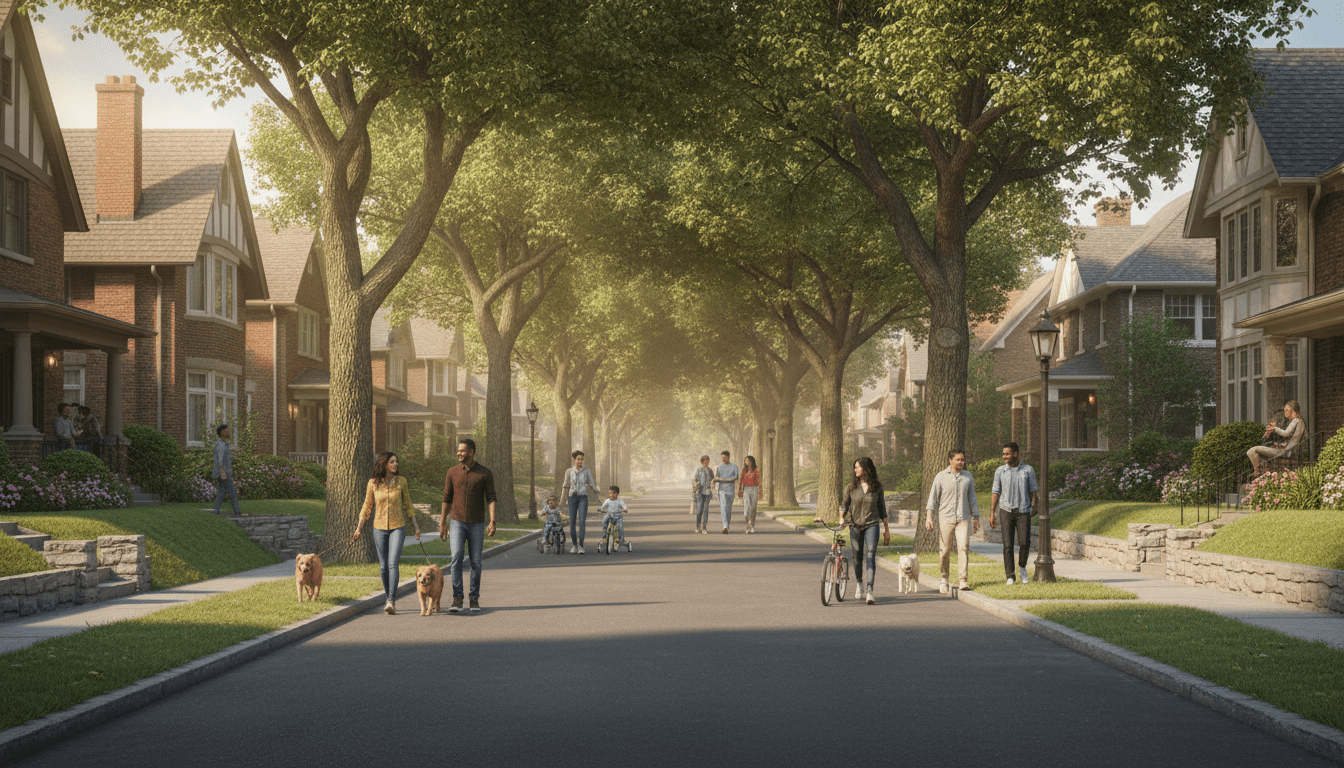
Consistently appearing at the top of the list for the safest neighborhoods in Detroit are the historic districts located in the northwest sector of the city. Areas such as Palmer Woods, Sherwood Forest, and the University District have long served as anchors of stability.
Local real estate analysts point to the unique structure of these communities as a primary driver of their security. Unlike many other parts of the metropolitan area, these neighborhoods often employ private security patrols paid for by homeowners’ associations. Furthermore, the strong presence of block clubs creates a tight-knit environment where neighbors are hyper-aware of unusual activity.
“The historic districts have a level of community engagement that is difficult to replicate,” noted a representative from a local housing advocacy group during a recent town hall on neighborhood development. “When you have 90% owner-occupancy, you have eyes on the street. That remains the most effective deterrent to property crime.”
Data from the U.S. Census Bureau reinforces this, showing that these specific zip codes maintain higher median household incomes and stability compared to the city average, factors that sociologists frequently link to lower crime rates.
Emerging Corridors: Corktown and West Village
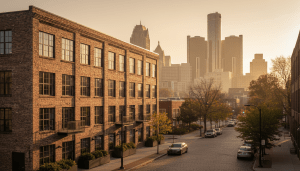
Beyond the historic mansions of the north, other areas are solidifying their reputation as safe havens through rapid development and density. Corktown, the city’s oldest neighborhood, has seen a transformation accelerated by Ford Motor Company’s restoration of Michigan Central Station.
While density often brings different challenges, reports indicate that the increased foot traffic and business investment in Corktown have contributed to a safer street-level atmosphere. Similarly, West Village and Indian Village continue to attract residents seeking the safest neighborhoods in Detroit that also offer walkability and historic charm.
According to Detroit development reports, the influx of mixed-use developments in these areas has led to improved lighting, better road infrastructure, and more frequent municipal patrols, all of which contribute to a heightened sense of security for residents.
Impact on Detroit Residents and Real Estate
The distinction between high-crime areas and safe zones has a profound financial and social impact on Detroit residents. For homeowners in the city’s safest enclaves, property values have seen a steady appreciation that outpaces the national average.
However, the demand for housing in these specific neighborhoods has created a competitive market. Local real estate agents report that homes in Palmer Woods or the University District often receive multiple offers within days of listing. This dynamic underscores a broader issue: the scarcity of neighborhoods that are perceived as universally safe.
“Safety is the number one filter for buyers moving into the city,” explained a local realtor specializing in Wayne County properties. “People want to be part of Detroit’s comeback, but they prioritize the well-being of their families. The neighborhoods that can guarantee that peace of mind are seeing premium pricing.”
For long-time residents, the focus remains on bridging the gap. Community leaders are advocating for the strategies used in the safest neighborhoods in Detroit—such as radio patrols and strong block clubs—to be exported to other developing areas of the city.
Analyzing the Data: Crime Rates vs. Perception
When analyzing what constitutes safety, it is essential to distinguish between violent crime and property crime. According to the City of Detroit’s open data portal, some downtown areas may experience higher rates of property crime (such as car break-ins) due to the sheer volume of visitors, yet they maintain very low rates of violent crime compared to outlying areas.
Conversely, the quiet residential streets of Rosedale Park and Grandmont offer a suburban feel within city limits. These neighborhoods have been celebrated for their strong community policing initiatives. Residents here often cite a “village mentality” as their primary safety net.
The Detroit Police Department’s crime mapping tools show a downward trend in violent offenses in these targeted investment zones over the last 24 months, suggesting that city-led initiatives like the “Neighborhoods First” program are beginning to yield tangible results.
Future Outlook for Neighborhood Safety
Looking ahead, the landscape of the safest neighborhoods in Detroit is likely to expand. As investment moves outward from the downtown core into neighborhoods like the outcome of the Strategic Neighborhood Fund, areas that were previously overlooked are seeing infrastructure improvements that correlate with improved safety.
City officials have stated their commitment to reducing blight, which is frequently cited as a magnet for criminal activity. By rehabilitating vacant structures and improving street lighting, the city aims to increase the number of neighborhoods that can be classified as “safe” by objective statistical standards.
For now, the data indicates that while Detroit still faces macro-level challenges, specific communities have successfully carved out environments of safety and stability, serving as models for the rest of the city’s ongoing revitalization.