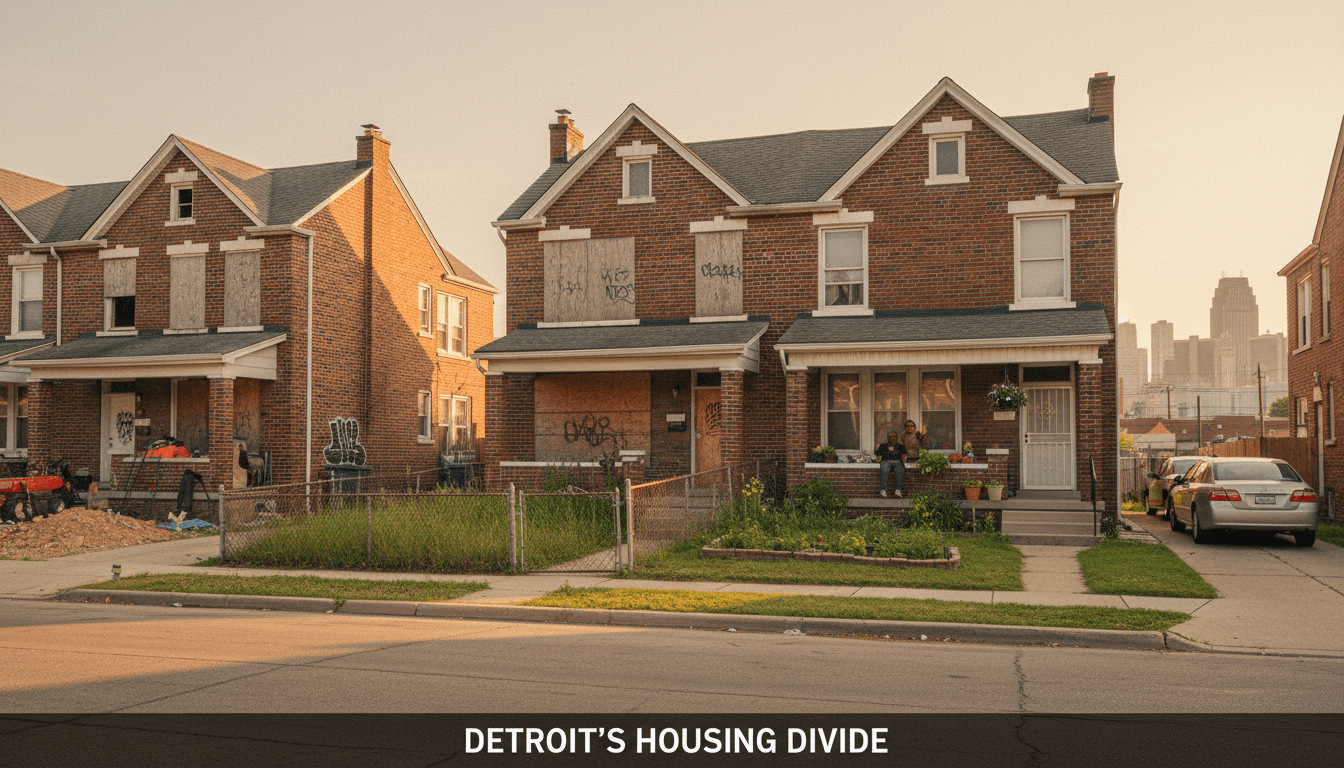
For thousands of Detroiters, securing a Housing Choice Voucher—commonly known as Section 8—is often viewed as a golden ticket out of housing instability. However, recent data from the Detroit Housing Commission (DHC) and federal reports suggest that obtaining the voucher is merely the first hurdle in a grueling marathon. While federal funding provides the subsidy, a shortage of compliant rental units and hesitancy among private landlords created a bottleneck that leaves many residents holding a voucher but nowhere to go.
The situation highlights a growing disconnect between federal housing assistance availability and the on-the-ground reality of Detroit’s rental market. As the city continues its revitalization efforts, low-income residents are finding themselves squeezed by rising rents and strict inspection requirements that exclude much of the city’s older housing stock.
The Gap Between Vouchers and Leases
The Housing Choice Voucher program is designed to allow low-income families to find housing in the private market, with the government paying a portion of the rent directly to the landlord. In theory, this offers flexibility. In practice, Detroit residents are facing a “lease-up” crisis.
According to data from the Department of Housing and Urban Development (HUD), the success rate of families utilizing their vouchers has fluctuated, impacted heavily by local market conditions. In Detroit, where the housing stock is aging, finding a unit that passes the required Housing Quality Standards (HQS) inspection is a significant challenge.
“The voucher is only as good as the market that accepts it,” says a representative from a local housing advocacy group. “We have families who wait years on a waitlist, finally get processed, and then spend months searching for a landlord who will accept them and a property that can pass inspection. If they don’t find a unit within the allotted timeframe, they risk losing the voucher entirely.”
This dynamic is further complicated by the city’s ongoing efforts to enforce rental compliance. As discussed in our previous coverage of Detroit’s rental registry crackdown, the city is aggressively pushing for landlords to register their properties and bring them up to code. While this improves safety, it temporarily reduces the pool of available units for Section 8 tenants, as many informal rentals do not meet the strict criteria required for federal subsidies.
Landlord Hesitancy and Market Realities
A primary driver of the Section 8 housing Detroit shortage is the participation rate of private landlords. While the DHC ensures guaranteed rental payments—a feature that should be attractive in an uncertain economy—many property owners cite bureaucratic red tape as a deterrent.
Local property owners have expressed concerns regarding the timeline of initial inspections and the administrative burden of recertification. Additionally, as market rates in neighborhoods like Midtown and Corktown rise, the Fair Market Rent (FMR) caps set by HUD often lag behind what landlords can command from cash-paying tenants.
However, discrimination based on “source of income” remains a contentious issue. While some municipalities have strict ordinances preventing landlords from denying tenants solely based on their use of a voucher, enforcement can be difficult. The Detroit Housing Commission continues to conduct outreach to educate landlords on the benefits of the program, including consistent revenue streams and low vacancy rates.
Impact on Detroit Residents
The scarcity of Section 8 housing in Detroit has a profound impact on family stability. When voucher holders cannot find housing in opportunity-rich neighborhoods, they are often forced to remain in substandard living conditions or cluster in high-poverty census tracts where landlords are more lenient but crime rates may be higher.
For families with children, this instability disrupts education. Moving frequently or living in temporary situations while searching for a compliant apartment affects school attendance and performance. Furthermore, the inability to use a voucher contributes to the city’s broader homelessness issues.
“It’s a race against the clock,” explains a caseworker assisting local families. “You have 60 to 90 days to find a place. In this market, with the competition for affordable units so high, that time evaporates quickly. It is devastating to tell a family that worked so hard to get off the waitlist that they might lose their opportunity simply because there are no apartments available.”
Incentives and Future Outlook
To combat these challenges, both local and federal entities are exploring ways to sweeten the deal for landlords. Incentive payments, signing bonuses for landlords who lease to voucher holders, and funds to cover minor repairs required to pass inspections are strategies being deployed in various capacities.
The City of Detroit is also focused on increasing the overall supply of affordable housing. As noted in our report on neighborhood stabilization efforts, new developments often come with requirements to set aside a percentage of units for low-income tenants, some of which accept vouchers.
Looking ahead, the success of the Section 8 program in Detroit will depend heavily on two factors: the rehabilitation of existing single-family homes to meet inspection standards and the willingness of landlords to partner with the housing commission. Until the gap between voucher issuance and lease-up rates closes, thousands of Detroiters will remain in a precarious housing limbo.
Residents seeking more information on voucher status or landlord participation should consult the Detroit Housing Commission directly or track updates via HUD’s local field office.