
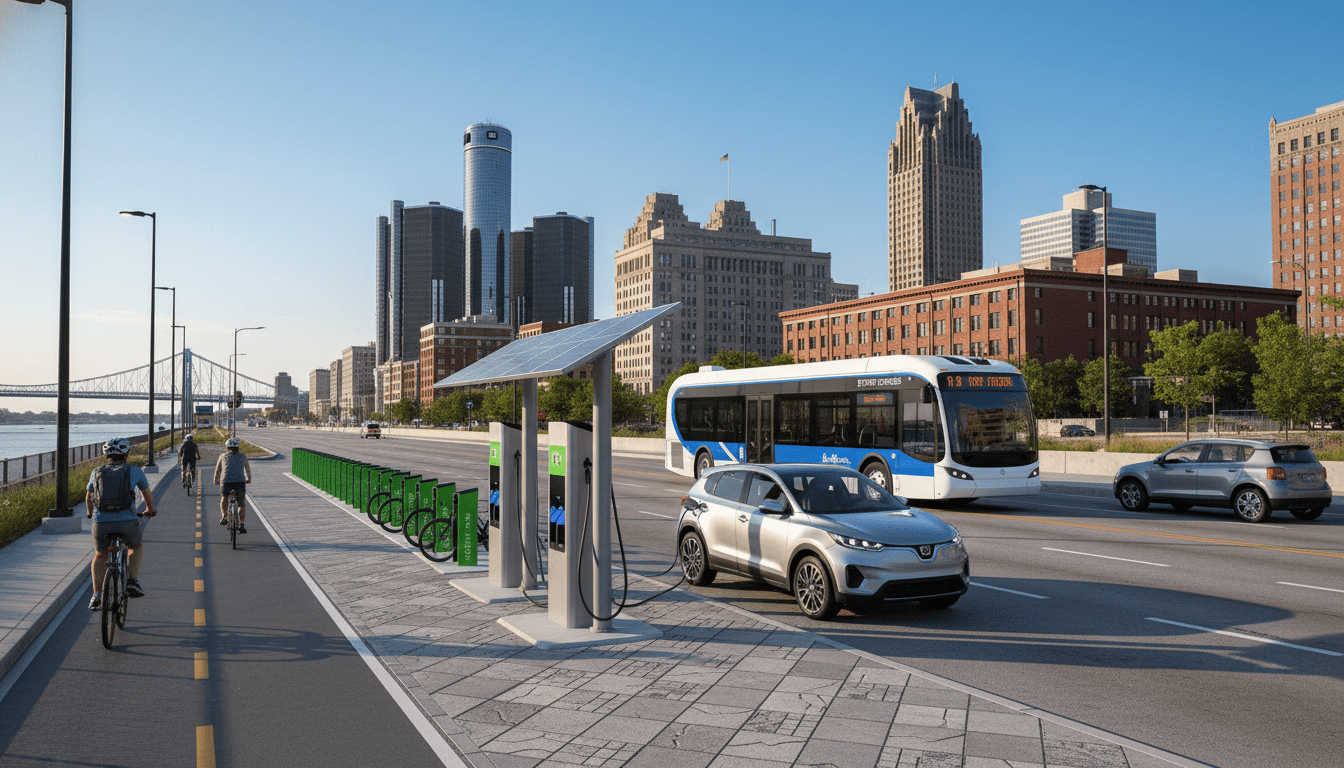
Detroit, a city whose identity is inextricably linked to the internal combustion engine, is in the midst of a profound transformation. As the global automotive industry pivots toward electrification and mobility solutions, the Motor City is reimagining its own infrastructure. From the expansion of non-motorized greenways to the overhaul of public bus systems and the integration of electric vehicle (EV) technology, sustainable transportation in Detroit is becoming a central pillar of the city’s future development strategy.
For decades, Detroit was designed primarily for the private automobile, often at the expense of comprehensive public transit and pedestrian accessibility. However, recent initiatives led by the City of Detroit, state agencies, and private partners suggest a turning point. The focus is shifting toward creating a multimodal transportation ecosystem that prioritizes environmental sustainability, economic accessibility, and quality of life for residents.
The Detroit Climate Strategy and Mobility
The foundation of this shift is rooted in the Detroit Climate Strategy, a comprehensive framework aimed at reducing the city’s carbon footprint. According to the City of Detroit, transportation accounts for a significant portion of local greenhouse gas emissions. To combat this, the administration has set ambitious goals to increase the adoption of electric vehicles and improve the reliability of mass transit.
Officials have emphasized that sustainability is not just about environmental protection but also about equity. For the estimated 25% of Detroit households that do not own a car, reliable and sustainable public transportation is a lifeline to employment, healthcare, and education.
Revitalizing Public Transit: DDOT and Regional Connectivity
A critical component of sustainable transportation in Detroit is the modernization of the Detroit Department of Transportation (DDOT). The “DDOT Reimagined” plan seeks to address long-standing issues regarding frequency and reliability. By optimizing routes and transitioning the fleet toward cleaner technologies, the city aims to make bus travel a viable first choice rather than a last resort.
Furthermore, the integration of regional transit remains a priority. Collaboration between DDOT and the Suburban Mobility Authority for Regional Transportation (SMART) is essential for a cohesive network. Recent initiatives have focused on seamless payment systems and better coordination at transfer points, reducing friction for riders moving between the city and suburbs.
According to data from the Southeast Michigan Council of Governments (SEMCOG), improving regional transit corridors is vital for economic connectivity. The introduction of express routes and the exploration of Bus Rapid Transit (BRT) feasibility on major avenues like Gratiot and Woodward are steps toward a more robust transit infrastructure that rivals other major metropolitan areas.
The Rise of Electric Vehicle Infrastructure
While public transit improves, Detroit is also leading the charge in the electric vehicle revolution. As the home of the “Big Three” automakers—Ford, General Motors, and Stellantis—the city is uniquely positioned to be a testbed for EV technology.
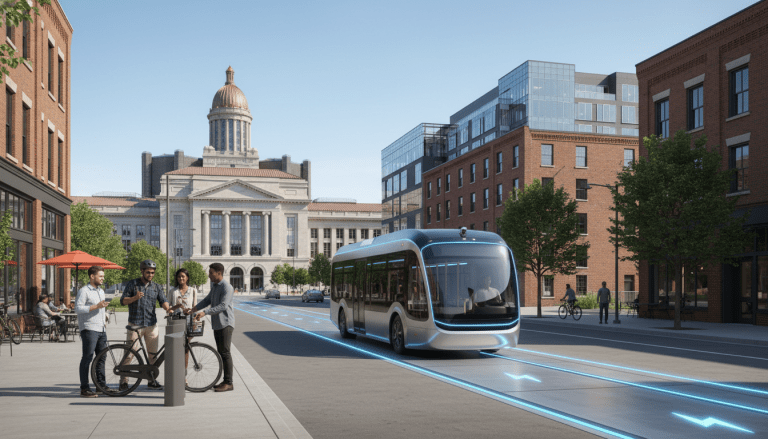
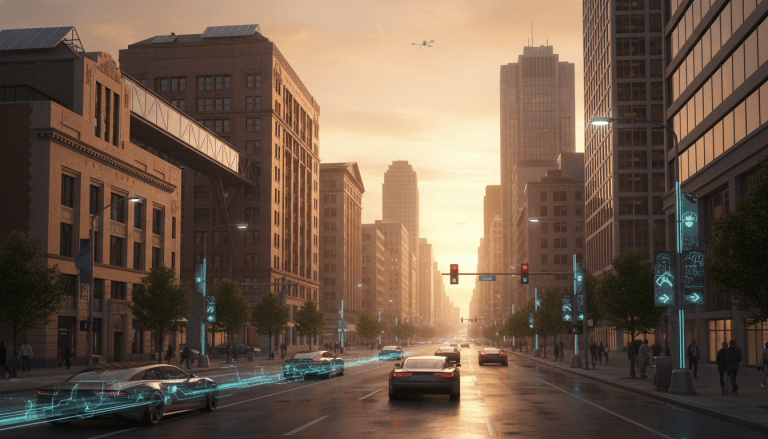
Michigan Central, the innovation hub anchored by Ford at the historic train station in Corktown, is spearheading projects that blend historical preservation with futuristic mobility. This includes the testing of wireless EV charging roads in the surrounding district. In partnership with the Michigan Department of Transportation (MDOT), Detroit became home to the nation’s first wireless charging public roadway on 14th Street.
“The future of the Motor City is electric,” said local automotive analyst James Thorne in a recent interview. “But it’s not just about building the cars here; it’s about building the infrastructure so that Detroiters can actually use them. We are seeing a significant ramp-up in the installation of public charging stations across neighborhoods, not just in downtown corridors.”
State and federal funding, including grants from the Bipartisan Infrastructure Law, are accelerating the deployment of EV chargers in underserved communities, ensuring that the transition to electric mobility does not bypass the city’s working-class residents.
Connecting Communities: The Joe Louis Greenway
Perhaps the most visible sign of Detroit local living transformation is the construction of the Joe Louis Greenway. This 27.5-mile planned loop of non-motorized trails will connect 23 different neighborhoods to the riverfront, embracing a future where walking and cycling are safe and practical transportation options.
Once completed, the Greenway will not only provide recreational space but also serve as a transit corridor for commuters. By linking residential areas to commercial hubs without requiring a car, the project addresses the “last mile” problem that often plagues urban transit systems.
Local advocacy groups, such as the Detroit Greenways Coalition, have long championed these developments. They argue that breaking down physical barriers created by highways and industrial zones is essential for reconnecting the city’s social fabric.
Impact on Detroit Residents
For the average Detroiter, these high-level infrastructure changes translate into tangible benefits. Improved bus reliability means spending less time waiting in the cold and more time with family. The expansion of bike lanes and the MoGo bike-share system offers affordable alternatives for short trips.
However, challenges remain. Residents in outer neighborhoods often express frustration that improvements seem concentrated in the Greater Downtown area. Ensuring that sustainable transportation in Detroit reaches every zip code is the current administration’s most pressing challenge.
“It’s great to see the QLine and the Greenway, but we need those same resources on the east and west sides,” said Maria Gonzales, a longtime resident and community organizer in Southwest Detroit. “Sustainable transportation has to mean accessible transportation for everyone, regardless of where they live.”
The Economic Angle: Jobs and Development
The push for green mobility is also an economic driver. The shift requires a skilled workforce to maintain electric buses, install charging stations, and build greenways. Jobs, Business, & Startups in the green energy sector are growing, offering new career pathways for Detroiters.
Furthermore, walkable and transit-oriented neighborhoods attract investment. Real estate developers are increasingly looking at proximity to transit lines and greenways as key selling points, potentially boosting property values and spurring commercial development in historically underinvested corridors.
What Happens Next
Looking ahead, the roadmap for sustainable transportation in Detroit is ambitious. The city aims to transition a significant portion of its municipal fleet to electric vehicles by 2030. Discussions continue regarding the potential expansion of the QLine or other fixed-rail options, though funding remains a hurdle.
As Detroit continues to rebuild its population and economy, the integration of sustainable transit solutions will define the city’s trajectory for the next century. By balancing its automotive heritage with a commitment to green innovation, Detroit is poised to become a model for how post-industrial cities can adapt to a climate-conscious future.