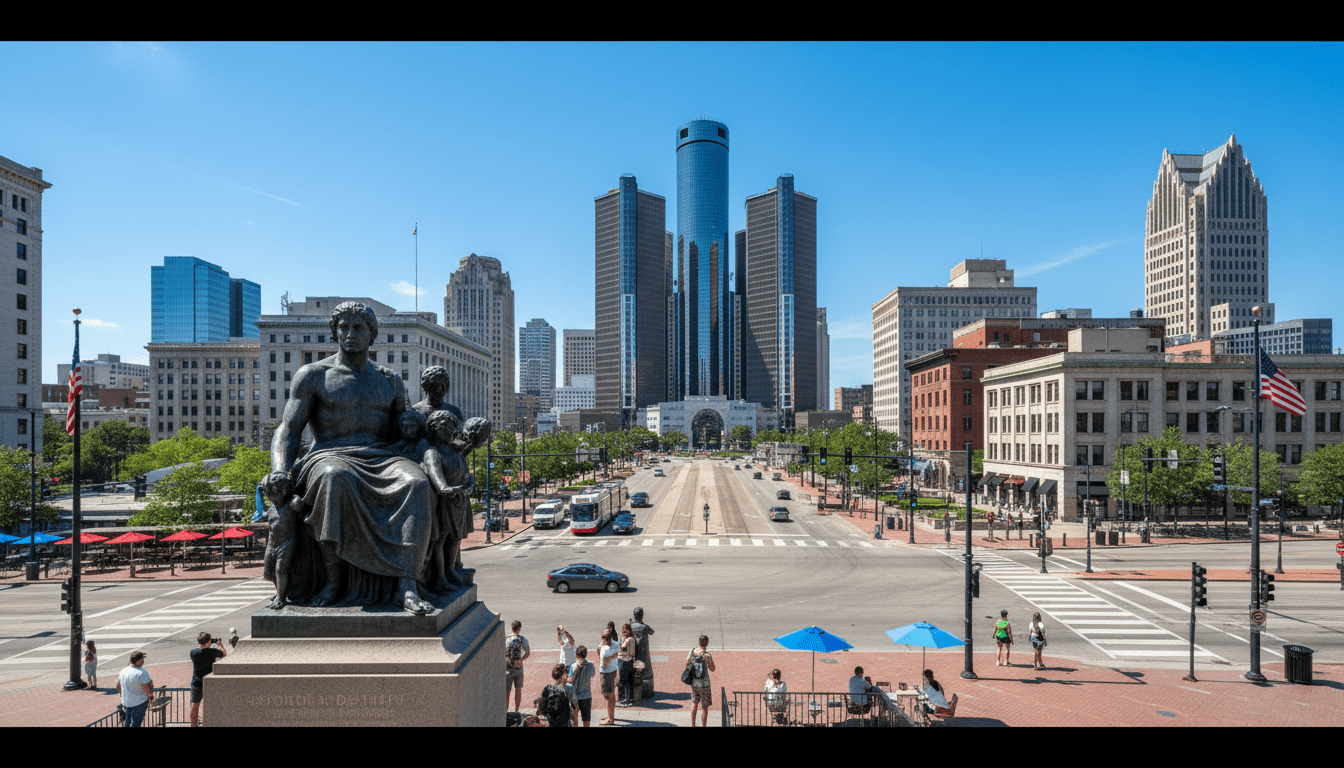
Following a landmark year that saw the Motor City host a record-breaking NFL Draft, Visit Detroit, the region’s leading convention and visitors bureau, has released new projections indicating that the city’s tourism resurgence is not merely a momentary spike, but a sustained economic shift. With hotel occupancy rates climbing and major international conventions booking years in advance, Detroit is effectively rewriting its narrative from a rust-belt recovery story to a premier global destination.
The transformation has been fueled by a combination of strategic marketing, substantial infrastructure investment, and a shift in perception. According to data recently shared by city officials, the influx of visitors is generating significant tax revenue, directly impacting municipal funds used for neighborhood services. This shift marks a pivotal moment for the local economy, moving beyond automotive dependency toward a more diversified hospitality and service sector.
Capitalizing on the NFL Draft Halo Effect
The 2024 NFL Draft served as a massive commercial for the city, drawing over 775,000 attendees and generating an estimated $213 million in economic impact. However, the true value, according to Visit Detroit CEO Claude Molinari, lies in the "halo effect"—the long-term reputational boost that convinces event planners and leisure travelers to choose Detroit.
"We are seeing a conversion rate that we haven’t seen in decades," officials noted during a recent economic outlook presentation. "When people see the vibrancy of downtown, the safety, and the culture on a national stage, the hesitation disappears."
This momentum is tangible in the booking numbers at Huntington Place. The convention center has secured a robust lineup of events for 2025 and 2026, ranging from green technology summits to medical conferences. These large-scale gatherings are critical because they fill hotel rooms during mid-week periods, balancing the weekend leisure traffic driven by sports and concerts.
For more on how downtown infrastructure is adapting to these large crowds, read our analysis on downtown infrastructure upgrades currently underway.
Hotel Development and Capacity Growth
To accommodate the surge in tourism, the city’s hospitality landscape is expanding rapidly. Several high-profile hotel projects have recently opened or broke ground, adding hundreds of luxury and boutique rooms to the market. The addition of properties like the Godfrey Hotel in Corktown and the Cambria Hotel downtown has helped alleviate the inventory compression that previously forced large conventions to bypass the city.
Data from hospitality analytics firms indicates that Detroit’s Revenue Per Available Room (RevPAR)—a key performance metric in the hotel industry—has outpaced pre-pandemic levels. This growth is attracting out-of-state developers who now view Detroit as a viable market for high-end hospitality investment.
Local restaurateurs are also feeling the ripple effects. "It used to be that Tuesday nights were dead," said a manager at a popular Woodward Avenue bistro. "Now, with the convention traffic Visit Detroit is bringing in, we are seeing full tables on weeknights. It stabilizes our business model significantly."
Impact on Detroit Residents
While increased tourism brings vibrancy to the city center, a critical question remains: How does this impact the everyday lives of Detroiters living outside the downtown core? The economic argument presented by the City of Detroit centers on tax revenue and job creation.
Tourism-generated taxes reduce the burden on residents for funding essential city services. The revenue collected from hotel stays and visitor spending flows into the general fund, which supports police, fire, parks, and transportation services across all neighborhoods. Furthermore, the hospitality sector provides a low barrier to entry for employment, offering thousands of jobs ranging from entry-level positions to management roles.
However, challenges regarding inclusive growth persist. Community leaders have emphasized the need to ensure that the tourism dollars spent downtown find their way to minority-owned businesses in neighborhoods like the Avenue of Fashion and Southwest Detroit. In response, Visit Detroit has launched initiatives specifically designed to highlight neighborhood gems, encouraging visitors to explore beyond the central business district.
You can read more about local business initiatives in our report on neighborhood grant programs aimed at connecting local entrepreneurs with the tourism economy.
Strategic Goals and Future Outlook
Looking ahead, the region has its sights set on even larger prizes. Following the success of the Draft, the city is preparing to host the NCAA Men’s Final Four in 2027. These mega-events require precise coordination between the city government, the police department, and tourism agencies.
According to the Visit Detroit annual strategic plan, the goal is to reach 25 million annual visitors by 2030. Achieving this will require continued improvements to regional transit and the successful completion of major development projects, such as the District Detroit expansion and the riverfront build-out.
Transportation remains a focal point. Visitors frequently cite the lack of seamless transit between the airport and downtown as a hurdle. While the DAX (Detroit Air Xpress) pilot program has been a step in the right direction, long-term success will likely depend on more robust regional transit solutions currently being debated by legislators.
As the city prepares for the summer travel season, the message is clear: Detroit is open for business, and the world is starting to RSVP.