A significant milestone in the revitalization of Detroit’s Eastside was marked this week with the grand opening of a new mixed-use affordable housing complex on East Warren Avenue. The development, known as The Ribbon, represents a major investment in the East English Village and Morningside neighborhoods, bringing vital housing inventory to an area that has seen a surge in demand for quality, accessible living spaces.
City officials, community leaders, and developers gathered to cut the ribbon on the $8.2 million project, which transforms a formerly vacant commercial corridor into a vibrant hub of residential and retail activity. The opening underscores the City of Detroit’s ongoing commitment to the Strategic Neighborhood Fund (SNF), an initiative designed to spur economic growth and improve the quality of life in neighborhoods outside the downtown core.
Restoring the East Warren Corridor
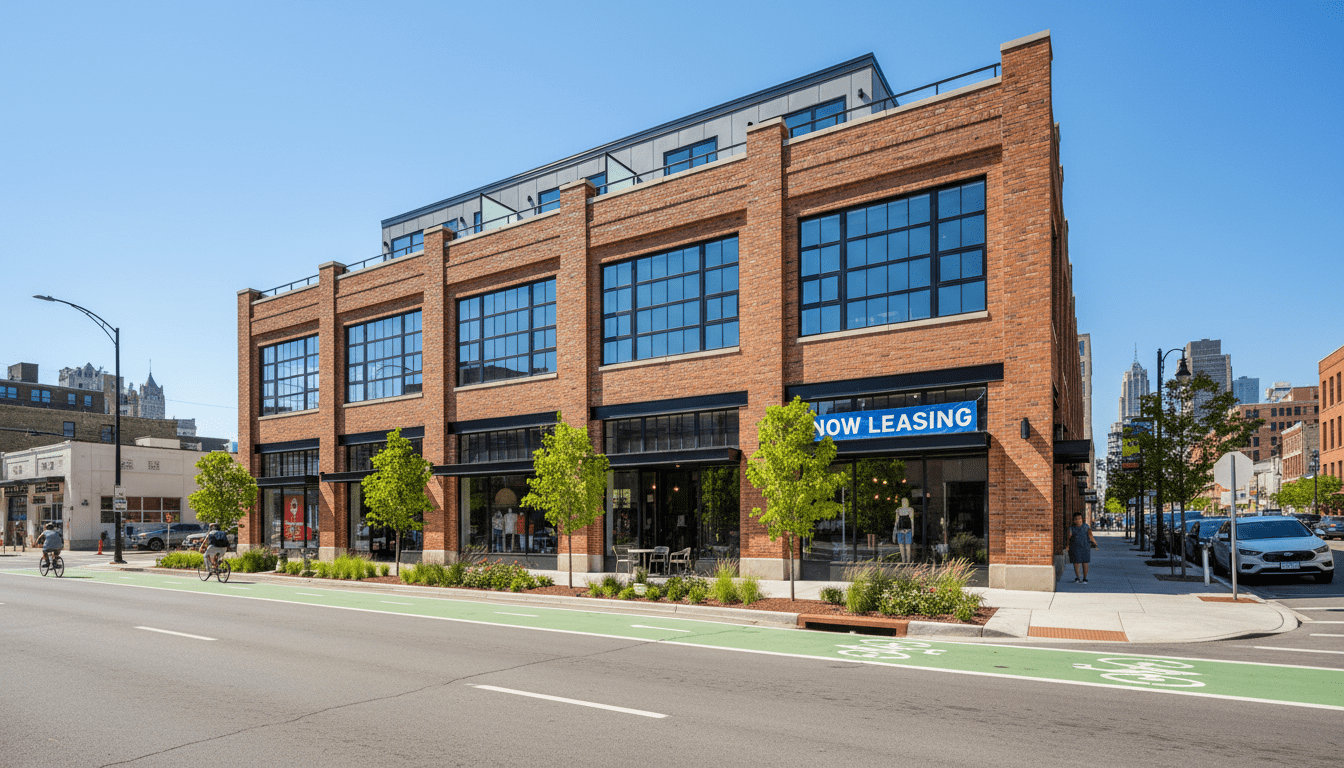
The Ribbon, located along the bustling East Warren commercial strip, is an architectural nod to the area’s history while providing modern amenities for today’s residents. The 18-unit building features strictly affordable apartments, with all units reserved for residents earning between 30% and 80% of the Area Median Income (AMI). This pricing structure ensures that long-time Detroiters are not priced out of their neighborhoods as development accelerates.
“This creates a template for how we want to see neighborhood development happen across the city,” said a spokesperson for the City of Detroit Housing and Revitalization Department. “We are taking vacant, blighted land and turning it into beautiful, energy-efficient homes that working families can afford. It is about equity as much as it is about architecture.”
Beyond the residential units, the development includes considerable ground-floor retail space. This commercial element is designed to support local small businesses, providing them with a white-box space ready for build-out. Early reports indicate that a local banking center and a café are slated to occupy the street-level suites, bringing essential services back to a corridor that had lost density over the past two decades.
Impact on Detroit Residents
For residents of the Eastside, the arrival of this complex addresses a critical need. As rents in Greater Downtown and Midtown continue to rise, the pressure on surrounding neighborhoods has increased. Affordable housing developments like The Ribbon provide a safety valve, ensuring housing stability for essential workers, seniors, and young families.
Local business owners in the East English Village area have expressed cautious optimism regarding the development. “Seeing construction finish and lights turn on in the building changes the whole energy of the block,” said a local business owner operating near East Warren and Cadieux. “More residents mean more foot traffic for us, and getting rid of a vacant lot makes the whole street feel safer.”
The project also connects to broader infrastructure improvements. The Detroit Department of Public Works recently completed a streetscape overhaul along East Warren, adding protected bike lanes, improved lighting, and wider sidewalks. The housing complex serves as an anchor for these improvements, validating the public investment in the streetscape.
Background & Data: The Housing Crisis Context
The completion of this facility comes at a pivotal time. According to data from the U.S. Census Bureau, a significant portion of Detroit renters are “rent-burdened,” meaning they spend more than 30% of their gross income on housing costs. By capping rents based on AMI, developments funded through the Detroit Housing for the Future Fund (DHFF) and Low-Income Housing Tax Credits (LIHTC) provide relief to these households.
The Area Median Income for the region is often skewed by the inclusion of wealthier suburbs, making true affordability a complex target. However, by setting units at 30% to 60% AMI, developers ensure that rents remain attainable for residents earning significantly less than the regional average. For a single person, a 50% AMI limit often translates to an annual income cap of roughly $33,000, aligning with the earnings of many service industry and entry-level healthcare workers in the city.
Funding for the project was a “lasagna layer” of financing, common in affordable housing developments. It utilized capital from the Strategic Neighborhood Fund, the Detroit Housing for the Future Fund, and grants from the Michigan State Housing Development Authority (MSHDA). This public-private partnership model is currently being replicated in other SNF zones, including the Live6 area in Northwest Detroit and the Jefferson Chalmers corridor.
What Happens Next
The opening of The Ribbon is just one piece of a larger puzzle for East Warren. City planners are looking to replicate this density in other nodes along the corridor. Future phases of development in the area are expected to focus on rehabilitating existing historic storefronts rather than solely building new construction.
Residents interested in applying for units in the new complex can contact the property management team directly or visit the City of Detroit Housing and Revitalization Department website for resources on affordable housing listings citywide.
As Detroit continues to balance the need for development with the imperative of preventing displacement, projects like this serve as a litmus test. If successful, they prove that high-quality design and deep affordability can coexist, providing a blueprint for the next wave of neighborhood investment.