Detroit’s Eastern Market has long been a cornerstone of the city’s cultural and economic identity, but a new regional analysis has officially solidified its status on the national stage. According to a recent report by Midwest Living and data curated by regional tourism boards, this iconic Detroit market has been named one of the top food destinations in the Midwest for 2024. The recognition highlights the market’s unique blend of historical significance, diversity of local vendors, and its role as a primary hub for authentic Michigan cuisine.
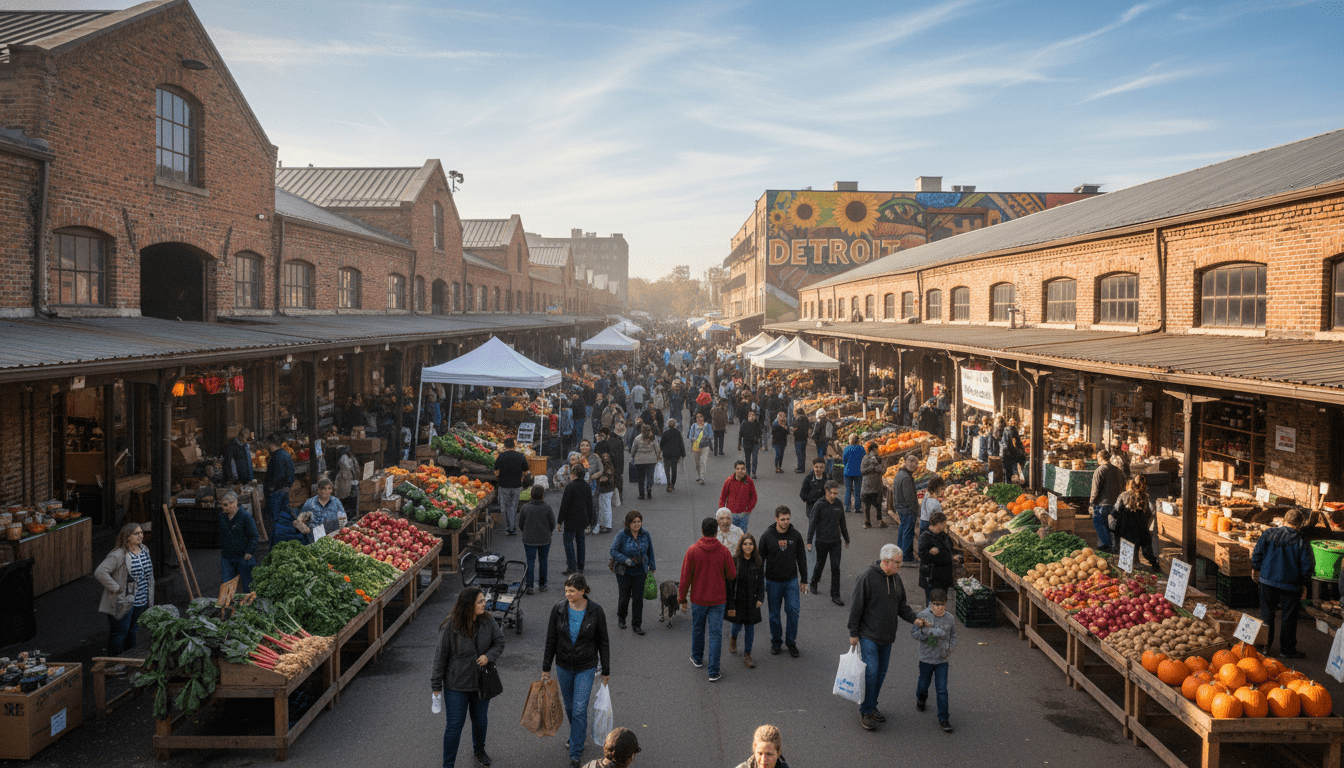
The distinction comes at a time when Detroit is seeing a resurgence in culinary tourism. Unlike many modern food halls that prioritize high-end retail, the Detroit market remains a working food district that serves both wholesale commercial interests and the general public. Covering several city blocks, the district is one of the oldest and largest year-round public market districts in the United States, dating back to 1891.
A Legacy of Freshness and Local Enterprise
The Eastern Market Partnership, the nonprofit that manages the district, recently released figures suggesting that the market attracts more than 2 million visitors annually. This influx of foot traffic is a vital lifeline for small-scale entrepreneurs. For many local vendors, the market serves as an incubator where they can test products and build a brand without the overhead costs of a traditional brick-and-mortar storefront. From artisanal cheeses to locally sourced honey and farm-fresh produce, the variety found within the sheds represents the best of Michigan’s agricultural output.
According to the Michigan Department of Agriculture and Rural Development, the state’s food and agriculture industry contributes over $100 billion annually to the state’s economy. The Detroit market is a critical link in this supply chain, connecting rural growers with urban consumers. Reporters from DetroitCityNews.com/business have previously noted that the market’s ability to sustain traditional farming families while welcoming new, immigrant-led food startups is a key factor in its continued relevance.
Impact on Detroit Residents and Local Access
Beyond its status as a tourist attraction, the market plays a fundamental role in addressing food security within the city. Many Detroit neighborhoods have historically been classified as food deserts, areas where residents lack easy access to affordable, fresh, and healthy food. The Detroit market addresses this through various programs, including the acceptance and matching of Bridge Cards (SNAP benefits).
Local business owners said that the Saturday Market is often the only time many residents can access such a wide variety of fresh greens and proteins at competitive prices. By offering Double Up Food Bucks, the market ensures that low-income families can stretch their food budgets further while supporting local growers. This social impact is a major component of why regional experts consider it a top-tier destination; it is not just a place to eat, but a vital community resource.
In a statement regarding the city’s food landscape, the City of Detroit’s Department of Neighborhoods emphasized that the market’s growth is intertwined with the health of the surrounding communities. As residential developments increase in the nearby Brush Park and Lafayette Park areas, the demand for the market’s services has only intensified, prompting new investments in the district’s infrastructure.
Regional Trends and Economic Data
The ranking also points to a broader trend of travelers seeking out “authentic” food experiences over sterilized corporate environments. Michigan cuisine, often defined by its diversity—from Coney Island-style traditions to Middle Eastern influences and farm-to-table innovations—is perfectly encapsulated within the district’s six sheds. Data from the U.S. Census Bureau regarding small business growth indicates that the food service sector in Wayne County has seen a steady recovery since 2021, with the Eastern Market area leading in new business registrations.
The economic footprint of the market extends into the middle of the week as well. While the Saturday Market is the most famous, the Tuesday and Sunday markets offer specialized experiences, such as flower days and artisan crafts, which further diversify the revenue streams for local vendors. This multi-day approach has become a model for other Midwestern cities, such as Cleveland and Milwaukee, looking to revitalize their own historical market districts.
The Role of Local Vendors in Defining City Identity
What sets the Detroit market apart from other Midwest food hubs is the grit and longevity of its participants. Some vendors represent the third or fourth generation of their families to sell goods under the sheds. This continuity provides a sense of stability in a city that has undergone massive transformation over the last century. Visitors can find everything from high-quality Michigan-grown cherries to specialty meats and spices that reflect the city’s rich ethnic tapestry.
As noted in previous coverage on DetroitCityNews.com/culture, the market is also an outdoor art gallery, home to dozens of murals created during the annual Murals in the Market festival. This intersection of food, commerce, and art makes the district a holistic city attraction that appeals to a wide demographic, from suburban day-trippers to international tourists.
What Happens Next for the Market District
Looking forward, the Eastern Market Partnership has announced plans for further expansion and modernization. The focus will be on improving the “last mile” of food distribution and enhancing the cold-storage capabilities for vendors. These technical upgrades are expected to attract even more food processors to the area, further cementing Detroit’s reputation as a food production powerhouse.
However, the challenge remains to balance modernization with the market’s historical character. Preservationists and city planners are working closely to ensure that new developments do not displace the very local vendors who made the market a top destination in the first place. As the Midwest food scene continues to evolve, Detroit’s primary market stands as a testament to the resilience of Michigan’s culinary heritage and the power of community-focused commerce.