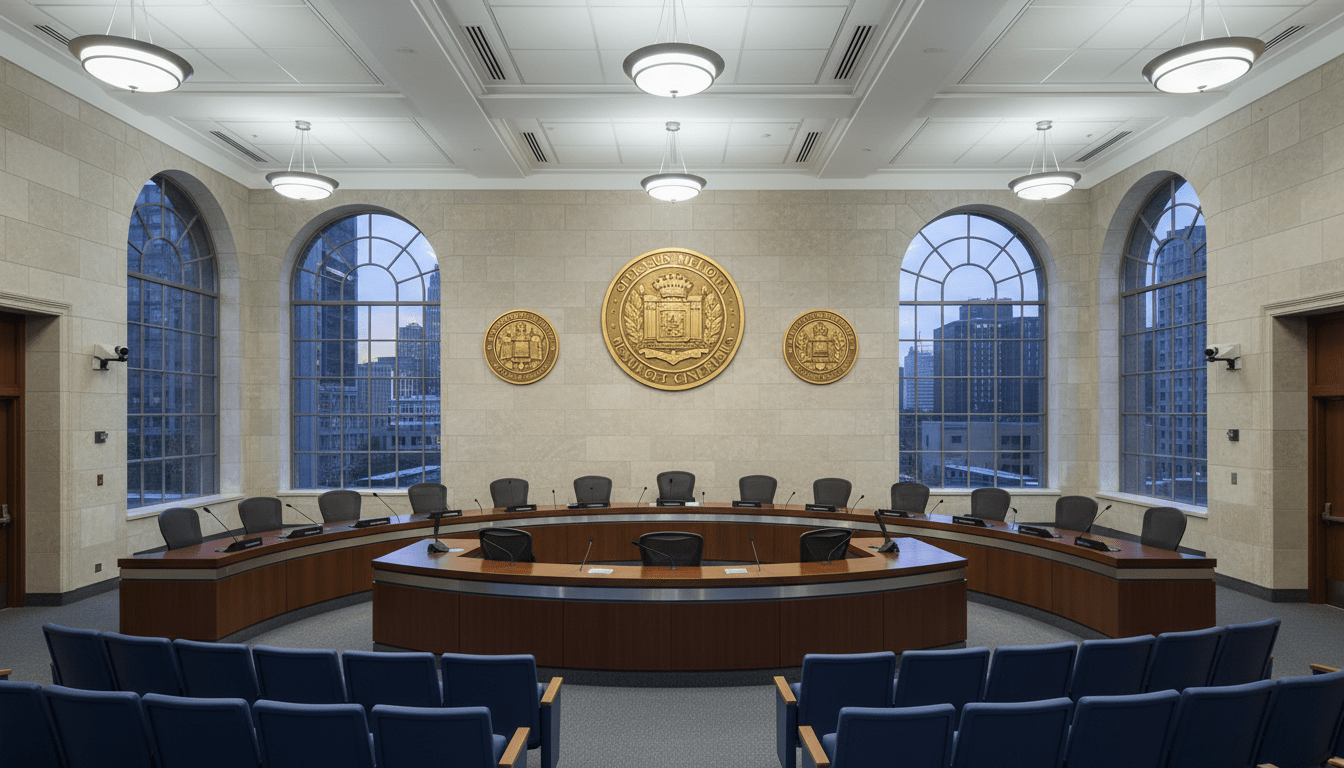
As the city of Detroit looks toward the latter half of the decade, the Detroit City Council has begun formalizing a comprehensive legislative roadmap aimed at stabilizing neighborhood infrastructure and expanding affordable housing. The latest Detroit city council news indicates a shift from emergency recovery toward long-term sustainable growth, with members recently convening to discuss the fiscal and social framework of the upcoming 2026 calendar year.
The legislative agenda, often referred to by local officials as the 2026 Growth Initiative, focuses on three primary pillars: land-use reform, decentralized infrastructure investment, and municipal tax incentives. Council members have indicated that the goal is to ensure that the economic momentum seen in the downtown and Midtown corridors begins to permeate more consistently into the outer-lying residential districts.
A Strategic Shift in Detroit Policies 2026
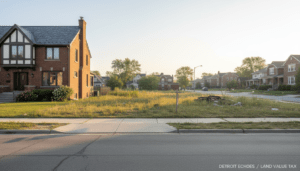
Central to the new Detroit policies 2026 framework is a revised approach to property development. For the past several years, the city has utilized a variety of tax abatements to lure large-scale developers. However, upcoming policy adjustments suggest a pivot toward incentivizing smaller, neighborhood-based contractors. According to the City of Detroit Planning and Development Department, these changes are designed to lower the barrier to entry for local residents who wish to rehabilitate vacant structures in their own communities.
The council is also expected to debate the implementation of a new “Transit-Oriented Development” (TOD) overlay. This policy would allow for higher-density residential units along major thoroughfares such as Woodward, Gratiot, and Grand River avenues. By prioritizing density in these areas, the council hopes to make public transportation more viable and reduce the reliance on personal vehicles, a move that aligns with the broader environmental goals of the administration.
Impact on Detroit Residents
For the average Detroiter, these legislative decisions translate to tangible changes in neighborhood aesthetics and costs of living. The proposed 2026 budget includes a significant allocation for the