For the first time in over seven decades, the narrative surrounding Detroit’s demographic trajectory has shifted from one of managed decline to one of cautious optimism. As we approach 2026, new data suggests that the city is entering a critical phase of stabilization that could redefine its economic and social landscape for the next generation.
The Numbers Behind the Shift
According to the U.S. Census Bureau’s most recent annual estimates, Detroit’s population saw its first year-over-year increase since 1957 in the 2023 reporting cycle. This milestone, which Mayor Mike Duggan’s administration has long anticipated, serves as the foundation for the Detroit population trends we are seeing today. While the official 2020 Census initially showed a decline, the city’s successful challenge of those figures has highlighted a more nuanced reality of urban residency.
Data from the Southeast Michigan Council of Governments (SEMCOG) suggests that the growth is not merely a statistical anomaly. Projections leading into 2026 indicate a steadying of the population at approximately 635,000 to 640,000 residents. While this is a far cry from the city’s peak of 1.8 million in the 1950s, the quality of the current growth—marked by an increase in households and tax-paying residents—is what local economists are watching closely.
Impact on Detroit Residents
The stabilization of Detroit’s population has immediate and tangible effects on local residents. A growing population base translates directly into increased federal and state funding, which is often distributed based on per-capita metrics. For Detroiters, this means more resources for public transit, road repairs, and community health programs.
“When the population stabilizes, the burden of maintaining city infrastructure is shared across a wider tax base,” noted a recent report from DataDrivenDetroit. This shift is particularly evident in the city’s neighborhood beautification efforts. As more people move into previously vacant areas, the city can more effectively fund the removal of blight and the restoration of local parks. However, this growth also brings challenges, specifically regarding housing affordability. Residents in fast-developing areas like Corktown and Midtown have expressed concerns about rising property taxes and the potential for displacement as demand for housing increases.
Economic Drivers and Development
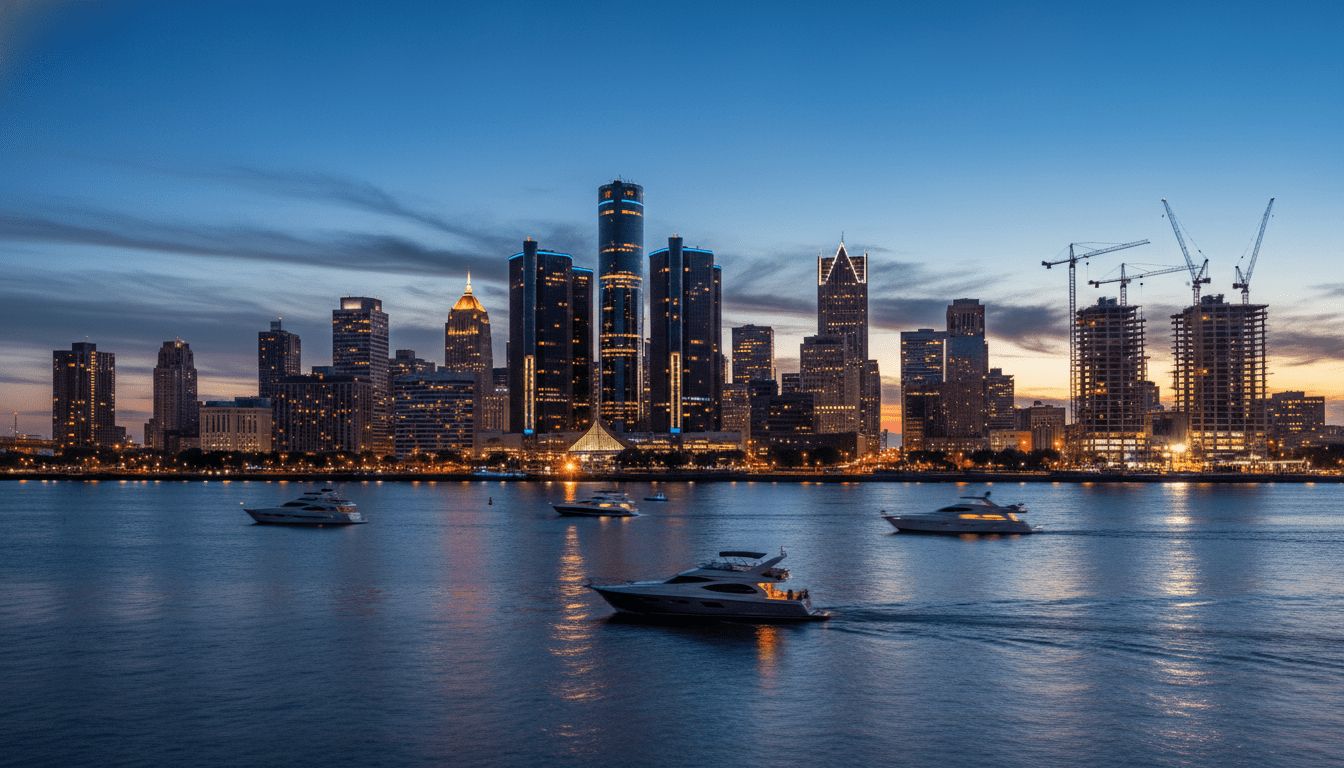
The Detroit population trends seen heading into 2026 are largely fueled by significant investments in the city’s core. The completion of the Michigan Central innovation district and the ongoing expansion of the Hudson’s Site development have created thousands of construction and permanent jobs. These projects act as magnets, drawing young professionals and tech workers who previously might have looked to the suburbs or other Midwestern hubs like Chicago or Columbus.
Furthermore, the City of Detroit has prioritized the rehabilitation of affordable housing units. By focusing on both high-end developments and low-income housing preservation, the city aims to ensure that the population growth is inclusive. You can read more about Detroit housing market updates to see how these developments are shaping individual neighborhoods.
Infrastructure and Transportation Challenges
As the population settles into a new rhythm, the city’s infrastructure is being put to the test. The Detroit Department of Transportation (DDOT) has been working to modernize its fleet and improve frequency on high-traffic routes. Sustainable growth depends heavily on the ability of residents to navigate the city without total reliance on personal vehicles.
According to the City of Detroit’s 2025-2030 Strategic Plan, infrastructure investments are being redirected to support higher-density living. This includes the expansion of bike lanes and the implementation of “smart” traffic signals to reduce congestion in growing corridors. For more context on these shifts, see our coverage of downtown infrastructure projects.
What Happens Next: Looking Toward 2030
While the outlook for 2026 is positive, experts caution that Detroit’s long-term health depends on its ability to retain families. While the city has been successful in attracting single professionals, the 2026-2030 period will be defined by whether these residents stay as they enter different life stages. This will require continued improvements in the Detroit Public Schools Community District (DPSCD) and a sustained decrease in crime rates.
The U.S. Census Bureau will continue to release annual estimates that will be heavily scrutinized by city officials. For now, the data indicates that Detroit is no longer a city in retreat. Instead, it is a city finding its new equilibrium, evolving from the “Motor City” of the 20th century into a diversified, resilient urban center for the 21st. For more information on national demographic shifts, you can visit the U.S. Census Bureau official website.
Ultimately, the story of Detroit’s population in 2026 is one of resilience. The city has moved past the era of bankruptcy and is now focused on the logistics of growth—a far more welcome set of challenges for its leadership and its citizens alike.