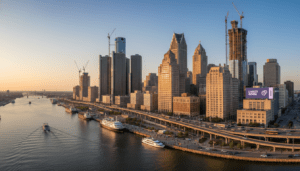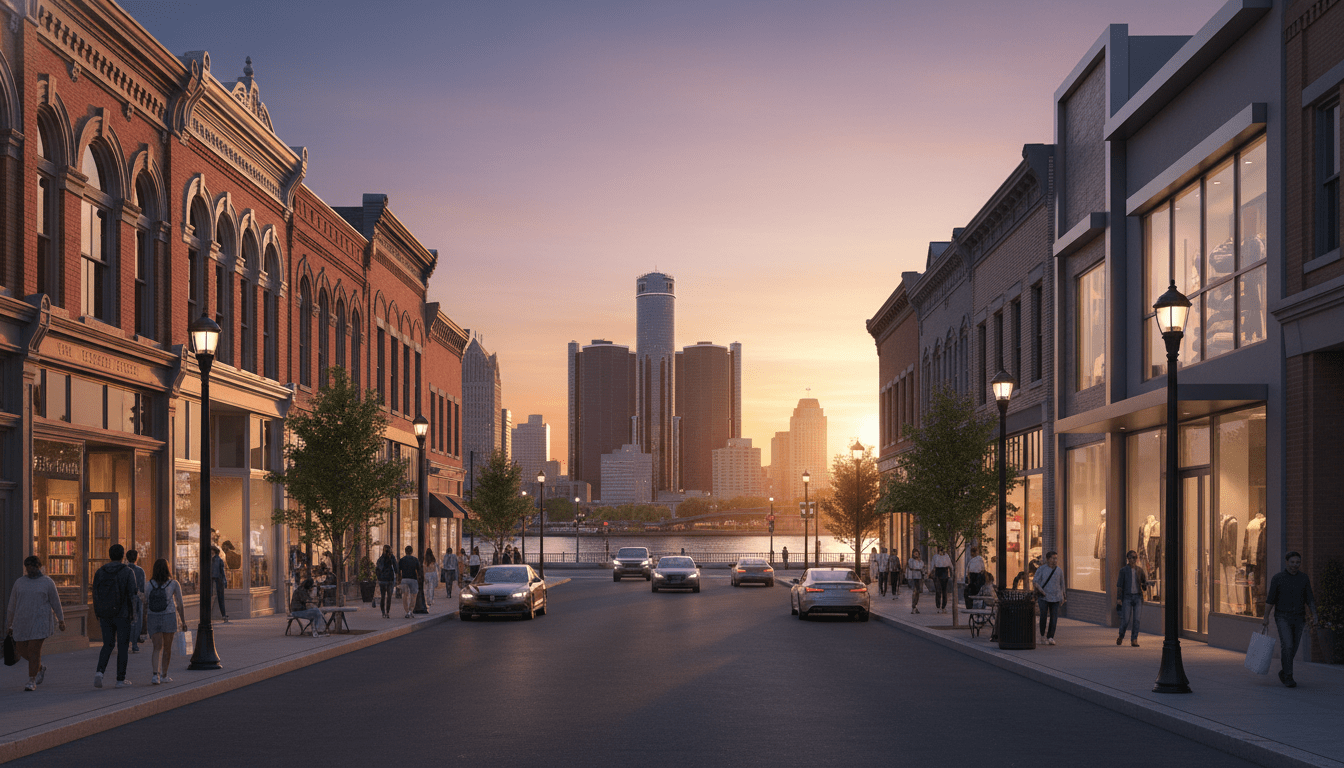
Detroit’s retail sector is undergoing a fundamental transformation that is reshaping the city’s economic map. As the city moves toward 2026, the narrative of Detroit shopping is evolving from a centralized downtown luxury hub into a more diverse, neighborhood-oriented ecosystem. This shift is driven by a combination of major mixed-use developments and a concerted effort by local organizations to revitalize commercial corridors outside of the immediate 7.2-square-mile downtown core.
The Evolution of Detroit Retail Trends
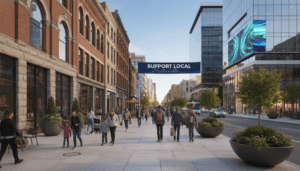
For the past decade, much of the national attention on Detroit’s retail resurgence focused on Woodward Avenue. High-end brands and national flagships established a presence that signaled the city’s return to the commercial stage. However, as we look toward the 2026 horizon, the focus is broadening. Real estate analysts and urban planners are noting a rise in “experiential retail”—spaces that combine shopping with dining, entertainment, and community gathering areas.
According to reports from the Detroit Economic Growth Corporation (DEGC), there has been a significant increase in the occupancy rates of storefronts along formerly neglected stretches of Livernois, Grand River, and McNichols. The DEGC’s Motor City Match program has been a cornerstone of this growth, providing the necessary capital and technical assistance to entrepreneurs who are filling these gaps. By 2026, these efforts are expected to culminate in several fully realized “20-minute neighborhoods,” where residents can access most of their daily needs within a short walk or bike ride from their homes.
Impact on Detroit Residents
The decentralization of retail has profound implications for local residents. For years, many Detroiters were forced to travel to surrounding suburbs for basic goods and services, a phenomenon known as retail leakage. The current trajectory suggests that more of that spending will remain within the city limits, bolstering the local tax base and providing employment opportunities for residents in their own neighborhoods.
Local business owners have noted that the influx of new retail options is doing more than just providing products; it is creating social anchors. In neighborhoods like the North End and Jefferson-Chalmers, new storefronts are serving as community hubs. The increase in Detroit retail trends toward localized commerce means that the economic recovery is becoming more visible at the street level, rather than just in high-rise office windows. This development is crucial for long-term stability, as it encourages homeownership and reduces the vacancy rates that have historically plagued residential blocks adjacent to commercial strips.
The Role of Major Developments
While neighborhood growth is essential, the skyline-defining projects in the city center continue to act as catalysts. The completion of the Hudson’s site development and the ongoing maturation of the Michigan Central district in Corktown are expected to draw millions of visitors annually by 2026. These projects are not merely office towers; they are designed as retail destinations that prioritize foot traffic and public engagement. This synergy between massive capital investments and small-scale neighborhood initiatives creates a dual-track economic engine for the city.
Background & Data: Sustaining the Momentum
Data from the University of Michigan’s Research Seminar in Quantitative Economics (RSQE) indicates that Detroit’s economic outlook remains cautiously optimistic. Their recent forecasts suggest that while inflationary pressures remain a concern, the city’s job market in the service and retail sectors is projected to remain resilient. This is supported by the steady rise in consumer confidence within the city, as more residents find stable employment through Detroit neighborhood development projects that prioritize local hiring.
The U.S. Census Bureau’s retail trade data also highlights a shift in consumer behavior within urban centers. There is a growing preference for “boutique” experiences over big-box retailers, a trend that Detroit is uniquely positioned to capitalize on due to its abundance of historic, adaptable commercial architecture. The city’s ability to preserve these structures while modernizing their interiors for 21st-century retail is a key factor in attracting both entrepreneurs and shoppers.
Infrastructure and Challenges Ahead
Despite the positive momentum, challenges remain. Transportation infrastructure continues to be a hurdle for many shoppers and employees. For Detroit to fully realize its potential as a retail powerhouse by 2026, the city must continue to improve transit connectivity between residential areas and commercial hubs. Furthermore, the rising cost of commercial rents in popular areas like Midtown could potentially displace the very small businesses that sparked the initial interest in those districts. Programs like Detroit small business grants will need to evolve to provide long-term rent stability for legacy businesses.
What Happens Next
Looking toward the 2026 retail landscape, the success of Detroit will likely be measured by the sustainability of its neighborhood corridors. The goal for city officials and developers is to ensure that the retail boom is not a temporary trend but a permanent fixture of the city’s infrastructure. As more storefronts open and more residents choose to shop locally, the cycle of investment and growth becomes self-sustaining.
Observers can expect to see an increased integration of technology in the local shopping experience, from digital payment systems in small boutiques to more robust e-commerce options for Detroit-made products. The “Detroit brand” has never been stronger, and as we move closer to 2026, that brand is being built one storefront at a time across all 139 square miles of the city.