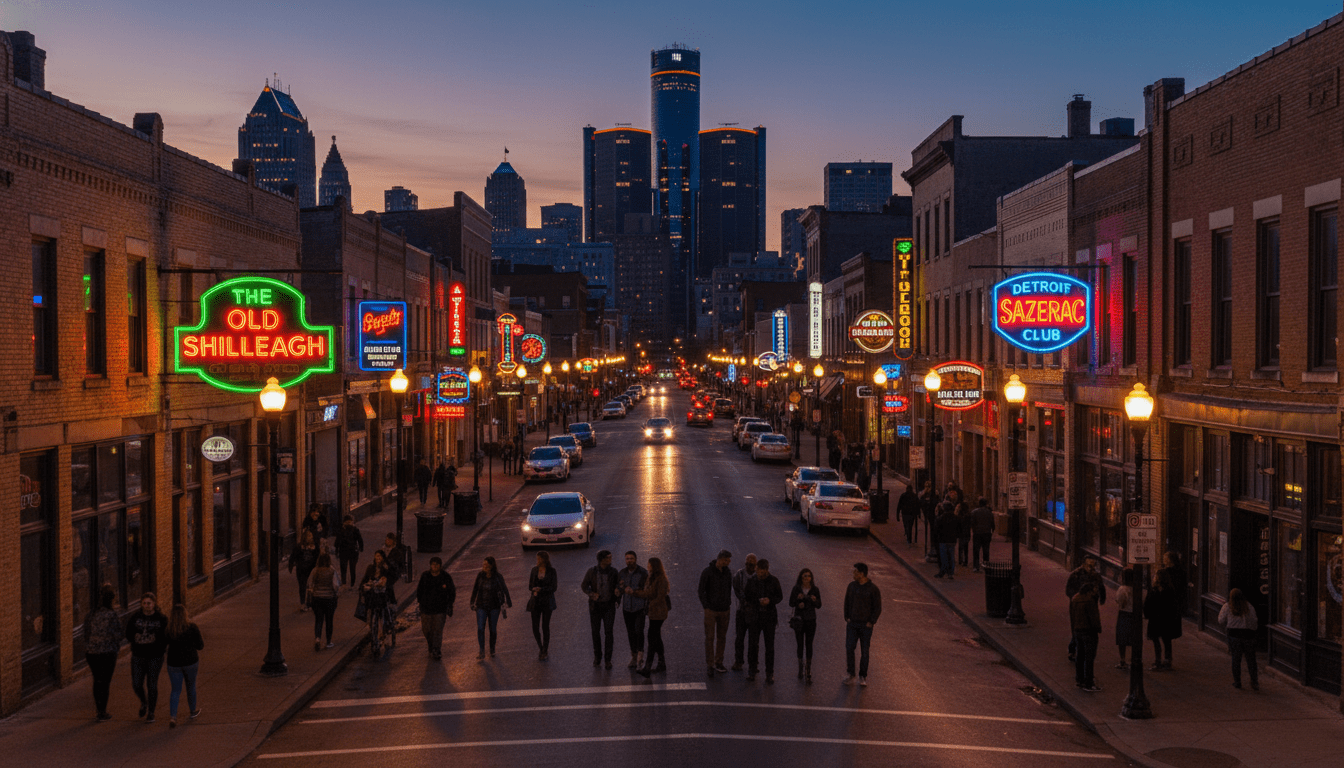
The landscape of Detroit nightlife is undergoing a significant transformation as the city balances a surging hospitality economy with heightened regulatory oversight and safety initiatives. Once characterized by a post-industrial quietness, Detroit’s downtown and neighborhood corridors are now witnessing a level of after-hours activity that rivals pre-2020 metrics. However, this growth brings with it a complex set of challenges for city officials, business owners, and residents alike.
According to the Downtown Detroit Partnership (DDP), pedestrian traffic in the city’s core has seen a steady increase, driven largely by the reopening of major entertainment venues and a proliferation of new bars in Detroit. The organization’s data suggests that the evening economy is no longer just a weekend phenomenon but a vital component of the city’s overall fiscal health. This resurgence is being met with a more structured approach from the municipal government to ensure that the expansion of clubs Detroit hosts is sustainable and safe.
The Economic Engine of the After-Hours Economy
For decades, Detroit’s musical heritage has been a global export, but the local infrastructure to support a modern nightlife economy has often lagged. That is changing as developers and entrepreneurs invest heavily in the city’s hospitality corridors. From the historic districts of Corktown and Midtown to the revitalized alleys of the Central Business District, the investment in Detroit nightlife is evident in the sheer volume of new liquor license applications and building permits.
The City of Detroit Office of Arts, Culture and Entrepreneurship (ACE) has noted that the nightlife sector serves as a significant employer for the city’s youth and creative class. The hospitality industry provides thousands of jobs ranging from bar management to technical production for detroit night events. Local economists argue that a robust nightlife is essential for attracting the “talent class” that major corporations seek when relocating to urban centers. For more information on local commercial trends, see our previous reporting on Detroit business growth.
Safety and Regulation: The ‘Nite Lite’ Strategy
As the density of entertainment Detroit offers increases, the Detroit Police Department (DPD) and city regulators have shifted their focus toward proactive management of the late-night hours. The city has introduced various initiatives aimed at reducing friction between nightlife patrons and law enforcement. One such effort involves increased collaboration with venue owners to standardize security protocols and crowd management.
Reports from the City of Detroit indicate that the focus is on “compliance over citations.” By working with owners of various clubs Detroit residents frequent, the city aims to prevent issues before they escalate. This includes better lighting in parking lots, the use of licensed security personnel, and stricter adherence to occupancy limits. The goal is to foster an environment where Detroit nightlife can thrive without compromising public safety or straining emergency services. Ensuring a safe environment is seen as the primary way to maintain the momentum of the city’s entertainment districts.
Impact on Detroit Residents
The expansion of nightlife is not without its critics, particularly among those living in rapidly developing neighborhoods. Residents in areas like the North End and Woodbridge have expressed concerns regarding noise levels, parking availability, and littering. The tension between the “right to sleep” and the “right to party” is a recurring theme in city council meetings.
To address these concerns, the city has been exploring updated noise ordinances and zoning adjustments. Impact on local people is measured through community feedback sessions where residents can voice their grievances directly to business owners. Many community leaders argue that while the economic benefits of bars in Detroit are clear, the quality of life for long-term residents must remain a priority. This includes ensuring that detroit night events do not lead to the displacement of those who lived in these neighborhoods during the city’s more difficult years. You can read more about how urban changes affect local communities in our analysis of neighborhood development updates.
Background & Data: A Statistical Overview
Data from the U.S. Census Bureau and local economic agencies highlight the shift in Detroit’s demographic and spending patterns. A 2023 report by the Downtown Detroit Partnership found that evening foot traffic in the downtown area surpassed 2019 levels for several consecutive months. This spike is attributed to a more diverse range of entertainment Detroit offers, moving beyond traditional sports and into niche music festivals and high-end dining experiences.
Furthermore, tax revenue from the food and beverage sector has become a critical revenue stream for the city’s general fund. Officials point out that the success of Detroit nightlife directly funds essential services like road repair and public lighting. However, the data also shows a disparity in where this investment is going. While the downtown area is booming, some neighborhood-level bars in Detroit still struggle with access to capital and infrastructure improvements, a gap that the city’s Small Business Services department is attempting to bridge.
What Happens Next
Looking ahead, the future of entertainment Detroit provides will likely be shaped by technology and more integrated urban planning. There are discussions within the City Planning Commission about creating dedicated “entertainment zones” where regulations are tailored to high-activity areas, allowing for later operating hours in exchange for stricter safety and noise-mitigation investments. This model, used in cities like Berlin and New Orleans, is being studied for its feasibility in the Detroit context.
As the city prepares for major upcoming events, including international conventions and music festivals, the synergy between the public and private sectors will be tested. The ability of the Detroit nightlife scene to mature into a safe, inclusive, and economically diverse ecosystem will be a major indicator of the city’s overall urban recovery. For now, the lights are on, and the city is watching closely to ensure they stay on in a way that benefits everyone.