






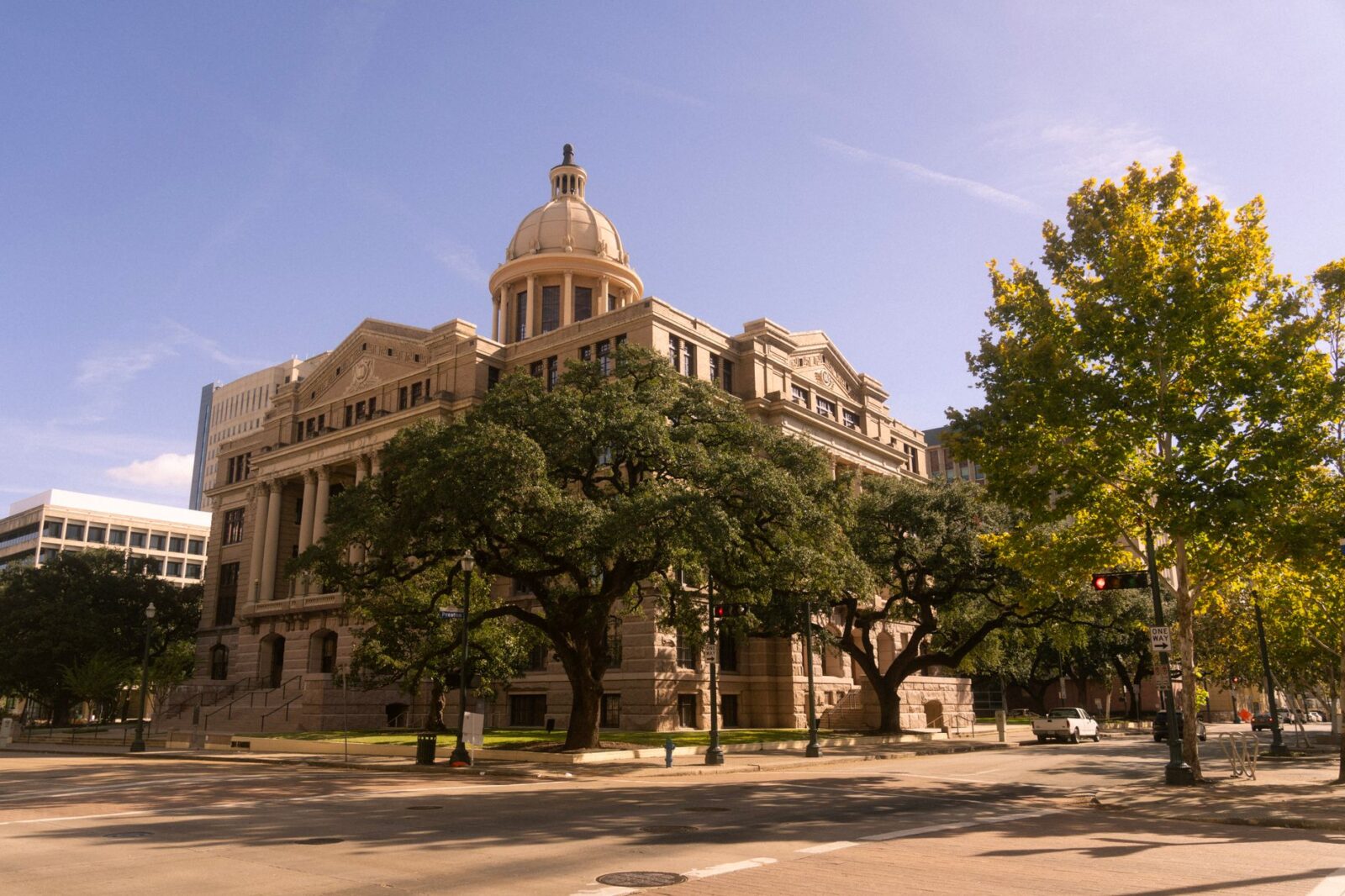
The climate grant case now asks the Supreme Court to decide whether the Environmental Protection Agency may withdraw $16 billion that Congress steered to nonprofit lenders through a program nicknamed the “green bank,” WDIV Local 4 reported on Nov. 19. The Trump administration wants the justices to take the appeal. They have said nothing yet about whether they will.
How the Climate Grant Case Reached the Supreme Court
Lawmakers set up the Greenhouse Gas Reduction Fund in the 2022 Inflation Reduction Act, and the Biden administration selected Climate United Fund and other nonprofits to operate it. The purpose was to pay for clean-energy work and to hasten the country’s move away from fossil fuels. The “green bank” label describes the structure: the money is deployed by nonprofit intermediaries that finance projects rather than handed out directly by a federal office.
Soon after Trump began his second term in January 2025, the EPA canceled the awards. Administrator Lee Zeldin said the recipients had mismanaged the funds and raised the prospect of fraud. No court has made such a finding, and the accusation remains an allegation.
The nonprofits sued, arguing the agency acted illegally and violated the Constitution, and asking for the money so the program could run. The government responded that it is shielded from the claims and that the groups chose the wrong forum.
A Split Appeals Court Backed the Nonprofits in August
In August, a divided panel of the federal appeals court in Washington agreed with the nonprofits, holding that the termination was improper. Payment stayed frozen while the justices were given a chance to act. If they decline the petition, the panel’s decision governs and the groups could reach the funds again.
The EPA calls the sum the largest grant cancellation ever brought to court, and it cites that scale as a reason for review. Its filing also complains that judges have repeatedly frustrated the administration’s agenda.
The Tucker Act Argument Dividing the Two Sides
In the climate grant case, the administration builds its position on the Tucker Act, which gives the Court of Federal Claims exclusive power over disputes rooted in contract. That court can order money paid but cannot tell an agency what to do. The government says this is a contract fight. The nonprofits say the EPA did not merely end a contract; it illegally gutted programs Congress had required, which they frame as a constitutional problem.
The forum matters because the remedies differ. A victory before the claims court would put the emphasis on money, while the nonprofits are seeking access to the funds so they can actually operate the program.
Bob Wagman, president of the Court of Federal Claims Bar Association, called the broad use of cancellations a novel strategy. “I would hate to think that the only programs that could be supported have a four-year life,” he said, citing cancer research as work that cannot be confined to one administration.
What a Win for the EPA Would Reach Beyond the Green Bank
The justices have recently ruled for the administration in disputes over canceled National Institutes of Health grants and teacher training awards. Its filing this month contends that a favorable outcome in the climate grant case would help it defeat other grant lawsuits. Romany Webb, deputy director of Columbia University’s Sabin Center for Climate Change Law and a supporter of Climate United’s position, said a ruling for the agency could carry “far-reaching implications” for how an administration reshapes or ends grant programs.
Trump has separately targeted grants associated with diversity, equity and inclusion.
Where the Dispute Stands as of Nov. 19
No justice has announced a decision on whether to hear the matter, and neither the EPA nor Climate United would comment. The August appellate ruling is what the court is now being asked to review, and the money remains on hold in the meantime.
The appeal is one of several consequential matters before the justices; a July Detroit panel discussion examined what Supreme Court rulings mean for the city.