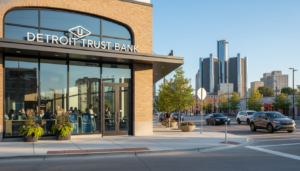
As the city of Detroit continues its economic evolution into 2026, the focus for many residents has shifted from basic recovery to long-term financial stability. Central to this transition is the Detroit Credit Score Guide 2026, an informal roadmap being shaped by municipal programs, non-profit interventions, and a changing real estate market. For Detroiters, a credit score is no longer just a number; it is the primary gateway to homeownership in stabilizing neighborhoods and the key to participating in the city’s burgeoning small business economy.
The Current Financial Landscape in Detroit
Data from the City of Detroit’s Office of Financial Empowerment indicates that while the city has seen a steady rise in average credit scores over the last three years, significant disparities remain across different ZIP codes. As of early 2026, the gap between the city’s high-growth corridors and its outlying residential blocks is narrowing, but challenges regarding credit access persist. According to reports from the University of Michigan’s Poverty Solutions initiative, financial health in Detroit is inextricably linked to the availability of low-interest lending and the ability of residents to resolve legacy debts.
The city has responded by expanding its network of Financial Empowerment Centers (FECs). These centers provide one-on-one counseling that focuses on debt reduction and credit building. City officials state that residents who utilize these services see an average credit score increase of 35 points within the first six months of engagement. This progress is vital for those looking to transition from the city’s increasingly competitive rental market into permanent residency.
Impact on Detroit Residents and Homeownership
For the average Detroiter, the implications of this financial shift are most visible in the housing sector. As property values in neighborhoods like Bagely, Jefferson-Chalmers, and the North End continue to climb, the requirements for conventional financing have tightened. This Detroit Credit Score Guide 2026 context suggests that a score of 620 is now the baseline for many local lending products, including the Detroit Home Mortgage program.
“Credit health is the foundation of neighborhood stabilization,” a representative from a local housing non-profit noted during a recent community meeting. “When a resident can qualify for a traditional mortgage, they aren’t just buying a house; they are anchoring themselves in the community and building generational wealth.” For residents, improving financial health means lower insurance premiums and better terms on auto loans—a necessity in a city where transportation costs remain a significant portion of the household budget.
Local business owners are also feeling the impact. In the Livernois Fashion Avenue district, several entrepreneurs have cited credit improvement as the deciding factor in securing the capital needed to expand their storefronts. By following the structured steps outlined in local financial literacy workshops, these owners are moving away from high-interest predatory lending and toward sustainable commercial credit lines.
Background and Data: The Role of Institutional Support
The Detroit Credit Score Guide 2026 is supported by broader institutional efforts. Data from the U.S. Census Bureau and recent economic surveys show that Detroit’s labor force participation has remained resilient, providing a steady income base that allows for more consistent bill payments—the most significant factor in credit scoring models. Furthermore, the integration of “alternative data,” such as utility and rent payments, into credit reporting has disproportionately benefited Detroiters who have historically been “credit invisible.”
In 2025, the city moved to further integrate these metrics into local housing applications. This move was designed to reflect a more accurate picture of a resident’s reliability. According to a study by the University of Michigan Poverty Solutions, including non-traditional payment history has the potential to move thousands of Detroiters from subprime to near-prime credit categories. This data-driven approach is a cornerstone of the city’s strategy to prevent displacement amid rising costs.
How to Navigate the Detroit Credit Score Guide 2026
For those looking to improve their standing, experts suggest a three-pronged approach tailored to the Detroit market:
- Engage with the FEC: Utilize the free, city-sponsored counseling services to create a personalized debt management plan.
- Monitor Local Programs: Stay informed about the Detroit housing market trends and specific grants that may require a minimum credit threshold.
- Address Legacy Collections: Many Detroiters face old utility or medical debts that can be settled through local advocacy programs.
Additionally, keeping a close eye on small business growth opportunities can provide residents with the income stability needed to maintain long-term financial health.
What Happens Next: The Path to 2027
Looking forward, the success of the Detroit Credit Score Guide 2026 initiatives will likely be measured by the rate of local homeownership and the sustainability of new businesses. The City of Detroit has signaled that it will continue to prioritize financial literacy as part of its broader “Detroit 2030” economic vision. As more residents move into higher credit tiers, the city expects a decrease in the reliance on predatory financial services, leading to a more robust and self-sustaining local economy.
While the road to financial equity is long, the infrastructure being built in 2026 provides a clearer path for Detroiters to secure their financial future. For more information on local resources, residents are encouraged to visit the official City of Detroit website to find their nearest Financial Empowerment Center.