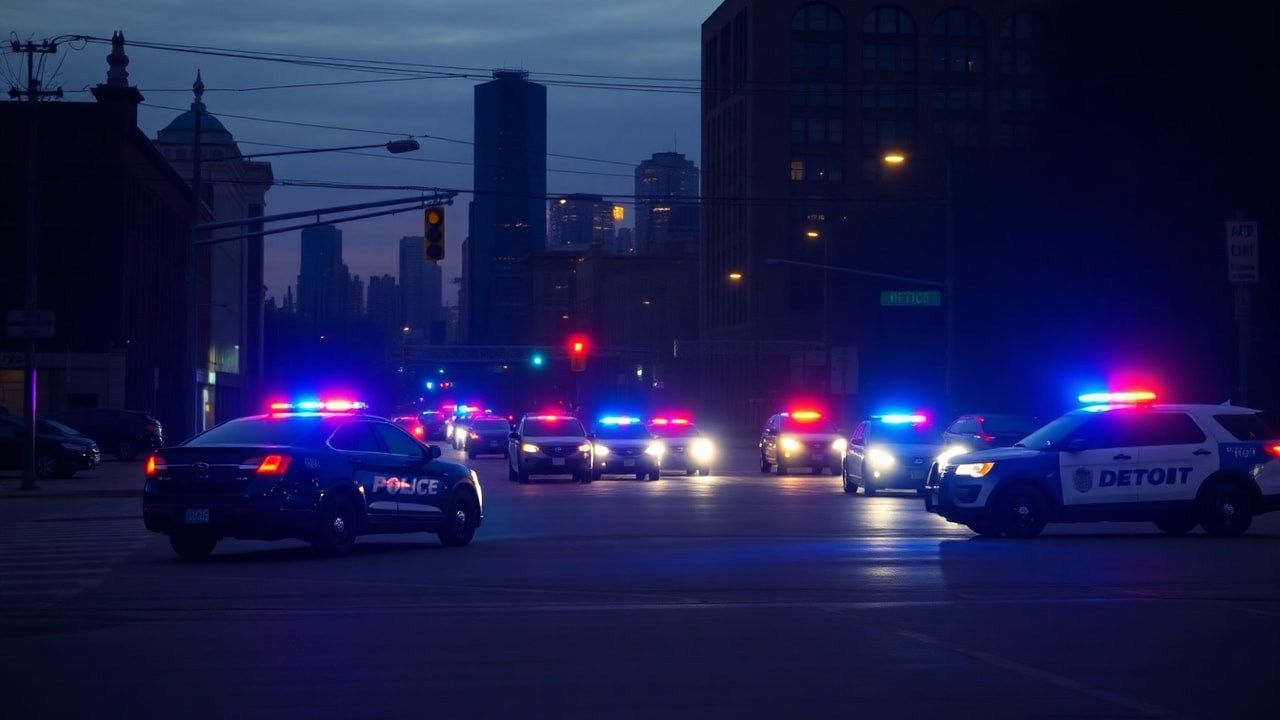
Detroit residents and advocates are raising concerns after Detroit Police reported three officer-involved shootings within about a month, prompting renewed calls for transparency, improved de-escalation training and stronger community oversight.
While each officer-involved incident is investigated according to department policy and Michigan law, the cluster of shootings has heightened scrutiny of how police encounters unfold in neighborhoods across the city, and what residents can expect in the days and weeks afterward.
Three officer-involved incidents spark community concerns
Detroit Police said the shootings occurred during separate encounters with different suspects, with the department handling evidence collection and initial investigative steps. In several cases, residents reported hearing gunfire and later seeing a heavy police presence—often including detectives, evidence technicians and administrative reviews—before details emerged through official updates.
Detroit Police did not conclude these cases publicly as “justified” or “unjustified” at the time the community questions began circulating. Instead, the department typically emphasizes that officer-involved shootings are subject to internal review and may also involve independent investigation processes, depending on the facts and applicable rules.
According to the Detroit Police Department’s policies on officer-involved shootings, incidents involving use of force that results in injury or death trigger specific procedures for securing the scene, preserving evidence and initiating investigations. “The priority is to ensure a thorough and timely process,” department guidance states, according to a publicly available description of the department’s handling of such events.
Advocates say residents are not only concerned about what happened during each incident, but also about how quickly information is released and whether community members receive clear explanations about policies and outcomes.
“When there are multiple police shootings in a short period, trust erodes faster than it can be rebuilt,” said a local civil rights advocate who tracks police accountability issues. “People want to understand what training was applied, what de-escalation options were considered and how the department will prevent similar outcomes.”
Impact on Detroit Residents
In Detroit, officer-involved shootings reverberate beyond the immediate scene. Residents describe a familiar pattern: heightened fear, speculation on social media, and uncertainty about whether subsequent reviews will address the community’s underlying concerns.
For many residents, especially in neighborhoods where police patrols are a constant presence, the impact is both emotional and practical. Families may worry about future encounters, community groups often step up support systems such as witness outreach, and local organizations frequently call for meetings that can sometimes lag behind the pace of community frustration.
Local leaders and organizers have also pointed out that Detroit neighborhoods are diverse in geography and demographics, meaning residents experience policing differently depending on the block, the time of day and the types of calls officers respond to.
At the same time, supporters of police reform argue the solution requires both accountability and clearer prevention strategies. That could include enhanced de-escalation training, improved crisis response, body-camera compliance and stricter review standards for use-of-force decisions.
“Community concerns aren’t abstract,” said an official with a Detroit-area public safety or legal advocacy organization. “They show up in how people feel walking outside, how witnesses decide whether to speak, and how quickly misinformation spreads when official updates are delayed.”
Background & Data on officer-involved shootings
Detroit officer-involved shootings are not new, and national reporting has long documented how police use of force can produce disproportionate harm, particularly for communities already affected by poverty, limited access to mental health resources and ongoing public safety challenges.
At the city level, the question is how Detroit Police shootings in Detroit are investigated and communicated, and how residents understand the department’s use-of-force policies over time.
Beyond Detroit-specific reporting, broader research on policing and use of force helps frame why spikes in incidents can intensify public scrutiny. For example, data systems maintained by federal agencies and reporting from civil rights organizations have highlighted challenges in comparing incidents across jurisdictions due to differences in reporting requirements, investigative timelines and transparency practices.
Meanwhile, Detroit’s local governance structure places the department within a broader ecosystem of oversight and accountability initiatives. The City of Detroit and state authorities may also play roles in how officer-involved incidents are processed, depending on the circumstances.
As residents search for answers following each officer-involved incident, questions often return to recurring themes: whether force was necessary, whether less-lethal options were considered, and whether departments consistently follow protocols designed to reduce harm.
Why “a month” matters
From a community perspective, the timing is significant. Even if separate incidents involve different officers and different suspect behaviors, a cluster over roughly four weeks changes the public perception of risk and the perceived stability of public safety.
Statistically, a small number of incidents can feel amplified when news spreads quickly and when residents are already concerned about trust in law enforcement. That perception is part of why community concerns about officer-involved shootings often intensify after short-term surges, regardless of whether each incident has unique facts.
What happens next after officer-involved incidents
In Detroit police shootings, next steps generally include a multi-layer process that can take weeks or longer. Typical phases include ongoing scene investigation, medical follow-up where applicable, interview efforts, and review of policy compliance by supervisors and internal investigators.
Public-facing updates vary by case, but advocates often urge the department to provide clearer timelines. Community members also commonly ask whether lessons learned from one officer-involved incident should be immediately reflected in training or operational practices.
Detroit Police may also coordinate with prosecutors or other investigative entities depending on the findings and legal standards. When incidents result in injury or death, residents often wait for final investigative conclusions, which can be delayed by the need to review evidence thoroughly.
For now, the most immediate community-facing action is information: what is known, what is still under investigation, and what residents should expect from the department in terms of updates.
Local impact: public trust, witness cooperation and neighborhood safety
Officer-involved incident trends can affect how witnesses come forward, how residents interpret police presence, and how quickly rumors spread after an incident. Community organizations say they work to encourage witnesses to contact investigators through appropriate channels, while also offering support to those impacted.
Detroit’s neighborhood dynamics also mean a shooting can disrupt local life—schools may adjust schedules if residents gather nearby, businesses can experience uncertainty as customers avoid certain blocks, and community events can be postponed.
At the same time, advocates and residents often emphasize that public safety is the shared goal. They argue that accountability measures and preventative strategies must work together: strong investigation processes, consistent communication, and approaches that reduce the likelihood of deadly force.
Accountability and communication as the next test
As Detroit police shootings in Detroit remain a focal point this month, residents are likely to watch three things closely: the department’s transparency about what happened, the thoroughness of its officer-involved incident reviews, and whether operational changes follow when patterns emerge.
The department’s response—both in its investigations and in how it communicates with the public—will determine whether community concerns are met with clarity or whether distrust grows further. For Detroit residents already living with the daily realities of public safety challenges, the next updates may be as important as the facts of the shootings themselves.