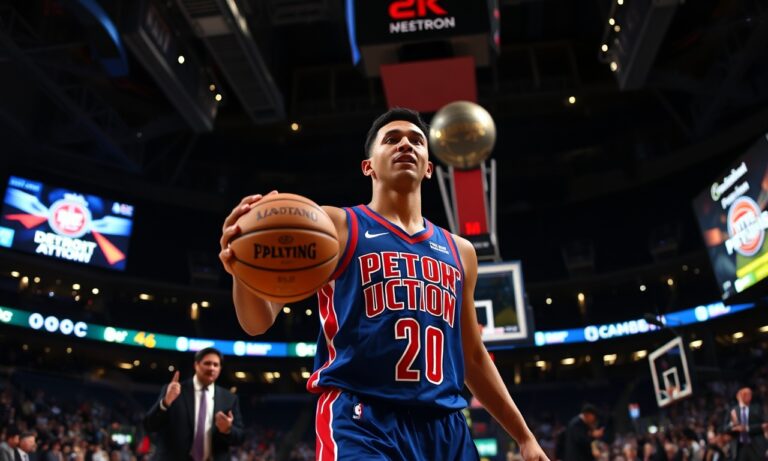
The latest NBA offseason rumors have Detroit fans watching the trade market closely after reports surfaced that a Harris—widely identified in coverage as Tobias Harris—could be headed from the Detroit Pistons to the Spurs. The chatter, which has circulated through national sports reporting, ties into a broader reshaping of rosters around the league as teams adjust salary structures, chase playoff positioning, and explore opportunities to add veterans or flexibility for future moves.
While no official deal has been announced, the prospect of a Harris-to-San Antonio swap has quickly become a topic of conversation in Detroit Pistons circles, especially given the parallel question surrounding Jerami Grant?—a player whose name has also appeared in various trade discussions over the past year. For Pistons supporters, the issue isn’t just who gets traded, but how Detroit uses the offseason to build stability and a longer competitive window.
What the Harris trade rumors are saying about the Spurs
According to recent reporting, the Spurs have shown interest in the type of roster addition that could strengthen a crowded frontcourt and provide consistent scoring. Sports news outlets have linked Harris trade rumors to San Antonio’s wider strategy as the team continues to weigh short-term performance against longer-term roster construction.
At the same time, Detroit’s decision-making process is likely constrained by the NBA’s financial realities. NBA salary rules, trade deadlines, and roster spot limitations shape what teams can do quickly versus what requires broader timing. As a result, any movement involving a high-salary player like Harris typically depends on matching salaries and aligning what both teams want to prioritize.
Spurs, Detroit Pistons, and the business side of NBA roster moves
NBA roster changes aren’t simply basketball decisions—they’re also financial and operational ones. Teams manage payroll while also protecting assets such as draft capital and trade flexibility. In Detroit, where the franchise competes for attention in a crowded sports market, offseason moves can influence local fan engagement and season-ticket decisions.
According to data published by the Detroit Regional Partnership—a regional economic-development organization tracking major business and cultural institutions—sports franchises and major entertainment properties can play a role in local economic activity by drawing visitors and supporting related spending. While the organization does not comment on specific player trades, its broader economic reporting highlights how professional sports intersect with Detroit’s downtown ecosystem and consumer activity.
That matters for fans because even small roster shifts can affect ticket demand and merchandise sales—factors that ripple into local partnerships that support game-day operations and area businesses.
Impact on Detroit residents: what a Harris-to-Spurs outcome could change
If Detroit Pistons and the Spurs reach agreement on a Harris move, the immediate impact for Detroit fans would be emotional as well as practical. A veteran presence often influences team identity: the ability to close games, mentor younger players, and provide a reliable scoring option.
From a community standpoint, the effect could also be felt indirectly. Detroit’s entertainment district relies on consistent attendance at events, and NBA season performance can influence how frequently families and visiting fans choose to spend time in the city. Game nights support nearby restaurants, parking operators, and small businesses that depend on steady traffic throughout the regular season.
At the same time, if the Pistons can use a Harris trade to improve draft positioning or acquire players better aligned with Detroit’s current development plan, residents may see a different kind of outcome: not necessarily more wins immediately, but a clearer direction for long-term competitiveness.
For local sports media and fans, the question of Jerami Grant? remains significant because it reflects whether Detroit is staying put with a core of competitive veterans or transitioning into a more pronounced rebuild. Trade discussions often cluster around similar needs: wings, spacing, defensive matchups, and the balance between salary and flexibility.
Background & data: why offseason trade rumors persist
Trade rumors around star and mid-star players tend to intensify during the offseason because teams have more time to negotiate than during the season’s tight scheduling. However, the ability to execute deals hinges on rules and timing under the NBA collective bargaining agreement.
According to NBA offseason analysis from ESPN—which regularly tracks roster and cap-management considerations—teams frequently explore multiple scenarios before committing to a trade. The reason is straightforward: a single deal must fit within salary constraints, roster limits, and the needs of both teams.
For Detroit specifically, Detroit news attention tends to focus on what trades might mean for the city’s identity as a sports destination and for the franchise’s immediate trajectory. Detroit has a strong basketball culture, but it also sits in a broader sports landscape where performance and messaging matter to sponsors and fans alike.
In practical terms, a Harris trade rumor could also suggest that Detroit is trying to reposition around younger talent or align roles more efficiently. Veteran-for-veteran swaps can help a team match style preferences—such as spacing and shot creation—while larger “reset” trades can be designed to accelerate development and create cap flexibility for future summers.
What happens next for the Pistons and Spurs
Until teams announce a finalized agreement, fans should treat Harris trade rumors as unconfirmed. Detroit and San Antonio could still adjust their approach depending on how negotiations progress, whether other teams offer better trade packages, and what their respective front offices determine is available under the salary-matching requirements.
In the coming days and weeks, the most telling signs will likely be staffing and messaging from both franchises—such as roster moves, changes in media availability, and indications that talks have moved from “interest” to concrete structure. For Detroit fans, beat reporters may also track whether the Pistons’ rotation plans for summer-league and early offseason workouts shift toward different player roles.
For now, one thing remains clear: the Detroit Pistons offseason is shaping up as a pivotal stretch in a franchise-wide attempt to balance veteran support with an evolving team direction. Whether it involves Harris, touches the question of Jerami Grant?, or leads to another combination entirely, Detroit residents will be watching how the Pistons translate speculation into decisions that affect next season.
Bottom line for Detroit fans
If the reports connecting a Harris move to the Spurs gain confirmation, it would represent more than a roster tweak—it would be a signal of how Detroit plans to leverage its offseason to build the next phase of the franchise. For residents, the outcome could influence everything from the on-court style of play to the broader game-day energy across the city. Until an official announcement lands, the only certainty is that NBA offseason rumors will keep Detroit basketball fans tuned in.