The Detroit Lions are getting early offseason momentum with ESPN ranking the team among the league’s best in its NFL offseason grades, a development that arrives as Detroit continues to weigh how sports-related spending and attention ripple through local businesses and community programming.
In the network’s preseason evaluations, ESPN placed Detroit in the top tier of NFL teams, citing upgrades across key roster areas and the club’s overall approach during the offseason. While offseason grades are not the same as season results, they can shape how fans, sponsors, and local partners view a franchise’s trajectory heading into training camp.
Detroit Lions offseason draws top-10 attention in ESPN grades
ESPN’s NFL offseason rankings graded each team’s offseason performance, and the Detroit Lions’ position in the top-10 reflects a broader league narrative: Detroit’s roster-building is being recognized as one of the more effective in the post-draft period. For Detroit residents, the news is less about the grade itself and more about what it signals—renewed expectations, increased media attention, and potentially stronger demand for tickets and game-day experiences as the season approaches.
“ESPN grades are essentially a snapshot of how the league’s analysts believe each team addressed its most urgent needs,” said a senior sports editor at a national outlet, adding that “the value for fans is mostly context—what to watch in training camp and early-season matchups.”
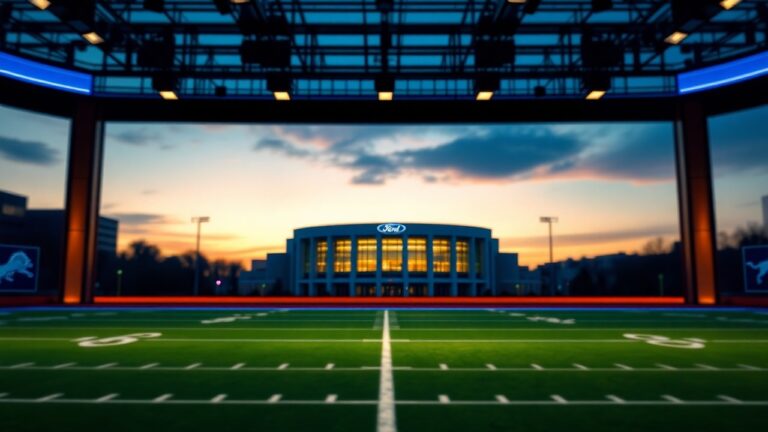
That type of analysis can influence coverage and conversation well beyond Ford Field, especially for Detroit-based companies that rely on the NFL season calendar for marketing partnerships, hospitality demand, and event planning.
Impact on Detroit residents
Local economic activity around the Lions is concentrated around game days—when thousands of fans travel to downtown and nearby neighborhoods for food, drinks, parking, and entertainment. When a team is perceived to be trending upward, that demand can strengthen. Even without changing a single policy, heightened expectations may affect how people decide where to spend their time and money.
According to a 2024 report from the Michigan Economic Development Corporation (MEDC), the state’s major sports events and tourism can support spending across lodging, retail, and food services, with ripple effects through local supply chains. While the report is not specific to any one NFL offseason grade, it underscores how the “season narrative” contributes to consumer behavior—especially in metros where fans cluster around major venues.
For Detroit residents, that can translate into a mix of benefits and cautions:
- More business visibility downtown: restaurants and bars near Ford Field often see higher foot traffic during strong-season hype.
- Job and staffing pressure: businesses may increase seasonal hiring for event weeks, though that can be uneven and reliant on game scheduling.
- Rising costs for fans: if demand accelerates, so can prices for tickets, parking, and nearby services—an issue that disproportionately affects residents on fixed incomes.
Detractors sometimes argue that grades are “content” rather than “economics.” But even content can move markets through advertising, sponsorship interest, and consumer confidence. Detroit’s sports economy operates on attention as much as it does on box scores.
Background: what ESPN grades typically cover
ESPN’s NFL offseason grades are designed to evaluate roster moves and team decisions made during the offseason. In most analyst frameworks, that includes free-agent acquisitions, draft decisions, trades, and how well a team addresses areas of need. The goal is not to predict the standings but to assess whether a club is making strategic choices that could improve performance.
Detroit Lions fans are likely to read ESPN’s top-10 positioning as confirmation that the franchise’s offseason plan is coherent. Still, residents should keep expectations grounded. Offseason evaluations can be optimistic, and football outcomes depend on factors that go beyond personnel decisions, including health, scheme fit, and how rookies and new players adapt.
Local sports economists often point out that the biggest “measurable” impacts tend to show up when a team’s performance leads to sustained attendance and repeated patronage, not simply when headlines break. A spokesperson for the Detroit Sports Commission, for example, emphasized that community-facing programming and fan engagement are most durable when they align with consistent on-field results.
How Detroit’s sports business ecosystem connects to the offseason
Detroit’s downtown sports footprint is tightly linked to local hospitality and transportation. When the Lions are generating positive national conversation, businesses that depend on game-week demand—casual dining, sports bars, ride-share traffic, and event spaces—often see effects before the season even begins.
That is especially relevant as Detroit continues to invest in downtown mobility and redevelopment initiatives. City planning efforts and transit options shape whether the game-day experience is convenient and safe for residents, which in turn affects where fans choose to spend money before kickoff.
According to data from the U.S. Census Bureau’s American Community Survey, Detroit-area commuting patterns and household income distribution vary significantly by neighborhood, influencing how likely residents are to attend games in person and how much they can spend on related expenditures. When excitement grows around a team, it can encourage participation—but affordability still determines who benefits most.
What happens next for the Lions and Detroit
ESPN grades are a starting point, not the finish line. For Detroit, the next steps will involve how the Lions translate offseason decisions into training camp work, preseason performances, and early-season execution. If the team’s offseason plan produces measurable on-field improvement, residents may see a stronger and more sustained economic lift tied to home dates and local events.
For local businesses, the practical takeaway is to plan for the possibility of higher demand while keeping budgets and staffing flexible. For residents, the takeaway is to watch how the Lions’ storyline develops—particularly in the areas ESPN highlighted in its grade—while recognizing that performance and availability will determine whether enthusiasm becomes attendance.
As the NFL season approaches, Detroit will likely continue to evaluate the franchise not only for wins and losses, but also for its broader role in city life—community gatherings, local media coverage, and the economic cadence that follows each home game.
Background & Data: evaluating “offseason rankings” responsibly
Offseason rankings can be a useful tool for understanding how analysts interpret team-building. However, they should be treated as informed judgment rather than a guarantee. Even ESPN frames these grades as evaluations of decisions, not outcomes.
National sports analysis also tends to be influenced by how each move fills immediate needs. Detroit’s offseason grade—ranked among the league’s best—suggests analysts believe the roster is trending in a favorable direction. Still, football seasons are affected by a wide range of variables, including injuries and the unpredictable development curve of young players.
For Detroit residents, the best approach is to treat NFL team grades as context: they can help fans identify what to watch, and they can help local businesses anticipate seasonal demand. But the actual impact on the community will continue to hinge on results, accessibility, and the real-world costs of game-day participation.
Bottom line
ESPN’s top-10 NFL offseason rankings for the Detroit Lions are a meaningful signal for a city where football culture intersects with local business and community energy. The grade itself won’t change the standings, but it can shape attention—and attention can translate into demand, partnerships, and planning decisions across Detroit. The coming months will show whether the Lions’ offseason momentum becomes something more than headlines.