






Wyandotte Water Source Study Rejected by Commission
The Wyandotte water source study was rejected by the Municipal Services Commission on Wednesday, despite ongoing contamination concerns near the city’s Detroit River intake. Both Thedetroit and Planetdetroit reported the decision on November 20, 2026. The commission declined to send a written recommendation to the Wyandotte City Council for a feasibility analysis of switching to the Great Lakes Water Authority’s drinking water system, a proposal backed by residents and environmental advocates who worry about pollution from a nearby chemical plant.
Commission members argued that the Wyandotte water source study is unnecessary because the city already knows a connection to the Great Lakes Water Authority is technically feasible. They stated that the resolution would have directed the council to explore the costs and logistics of purchasing water from the regional authority instead of relying on the city’s own intake, but that such an analysis would duplicate information already in hand. The commission’s rationale was summarized in the meeting minutes and highlighted by Planet Detroit as the primary reason for the vote.
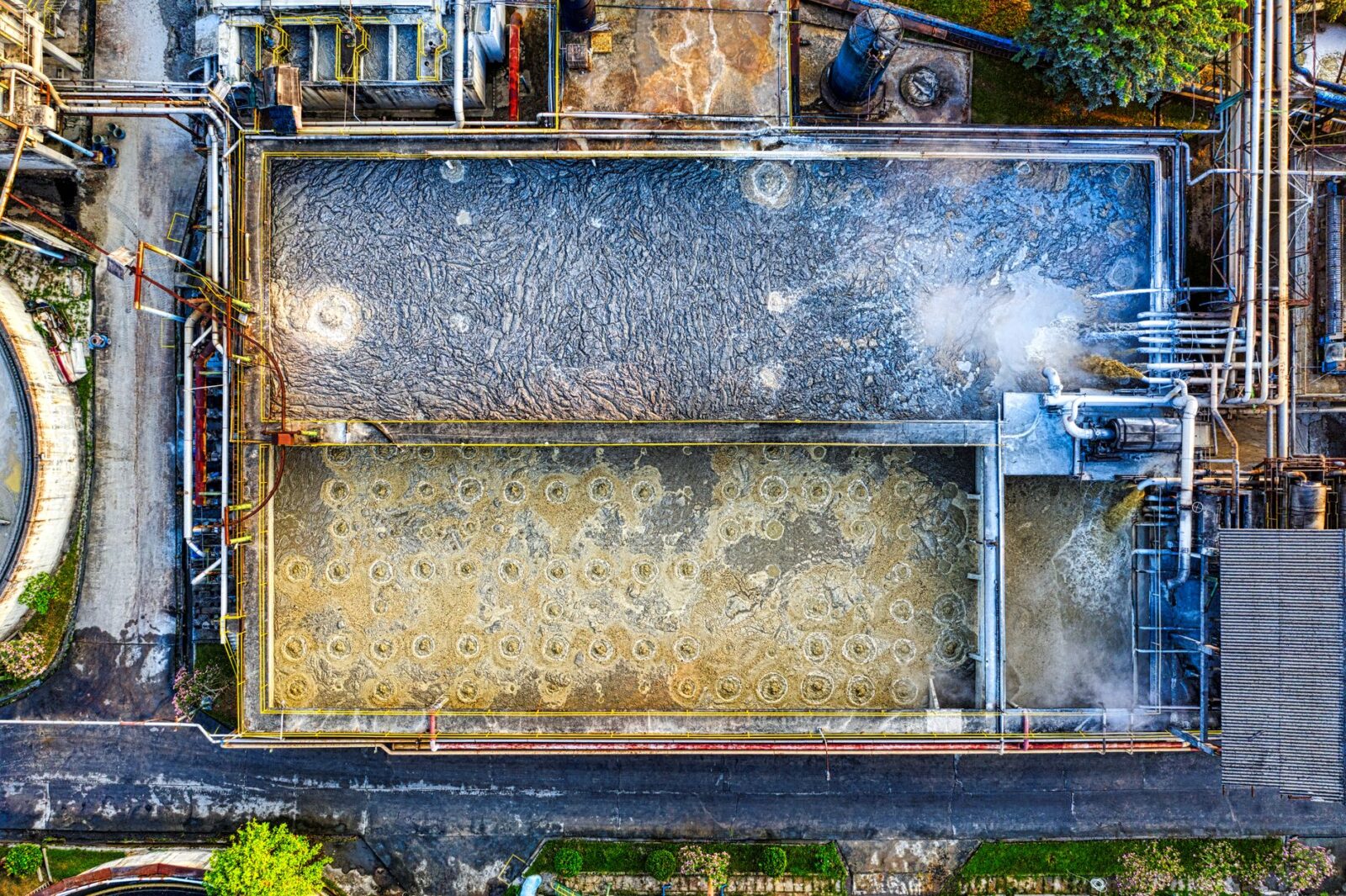
Residents and environmental advocates have pressed for the Wyandotte water source study, citing the intake’s proximity to BASF’s contaminated groundwater discharge. The drinking water intake sits roughly 1,700 feet downstream from BASF’s site, which discharges up to 60 gallons of contaminated groundwater into the Detroit River each minute, according to state documents previously shared with Planet Detroit. A 2021 Michigan Department of Environment, Great Lakes, and Energy document lists toxic PFAS chemicals, mercury, arsenic, naphthalene, benzene, and other contaminants in that groundwater plume, raising concerns that current monitoring cannot detect every possible pollutant.
At an August town hall hosted by U.S. Representative Debbie Dingell, speakers urged the city to pursue the Wyandotte water source study as a long‑term protective measure. The Downriver environmental town hall brought together community members, Clean Water Action of Michigan, and the Great Lakes PFAS Action Network, all of whom argued that connecting to the regional system would draw water from Lake Huron and the Detroit River farther upstream, reducing exposure risk. Wyandotte officials, however, maintain that the city’s drinking water is safe and meets all standards.
State regulators, including EGLE, maintain that current monitoring meets standards, but the Wyandotte water source study would provide an independent cost analysis that could inform future decisions. EGLE officials have said the city is meeting monitoring requirements, and testing shows contaminant levels below drinking water standards. The agency regulates Wyandotte’s compliance under a consent agreement with the city, while the EPA oversees BASF’s pollution mitigation plan, which includes an approved groundwater barrier and treatment system that could begin construction in 2027.
The next steps include a City Council meeting on November 23 and a Commission meeting on December 2, where the Wyandotte water source study may be revisited. Advocates say they will continue pressing the City Council to order an independent feasibility study, arguing that the commission’s rationale does not address the risk of undetected contaminants. The consent agreement and EPA oversight provide regulatory backstops, but the timeline for physical remediation extends to 2027 at the earliest, leaving the current intake in place for the foreseeable future.