




Michigan industrial decarbonization is the focus of a policy road map issued by the state Department of Environment, Great Lakes and Energy, Michigan Advance reported on Nov. 23, 2026. Consultants at 5 Lakes Energy drafted the document, which weighs ways to lower greenhouse gas output from factories while keeping the sector competitive. It extends the MI Healthy Climate Plan and also draws on the state’s Comprehensive Climate Action Plan.
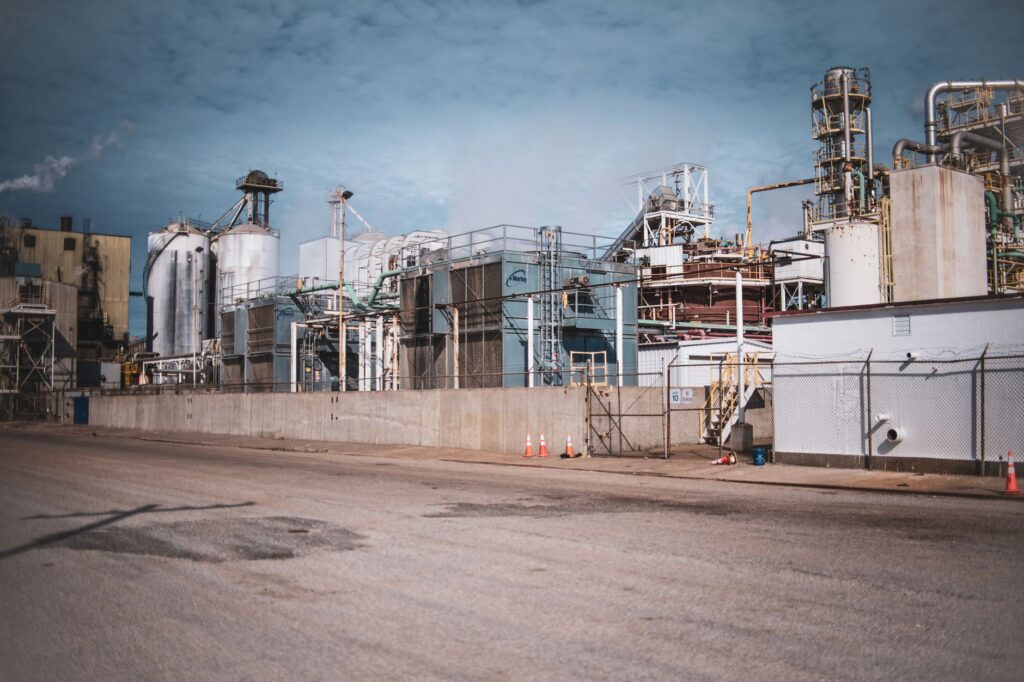
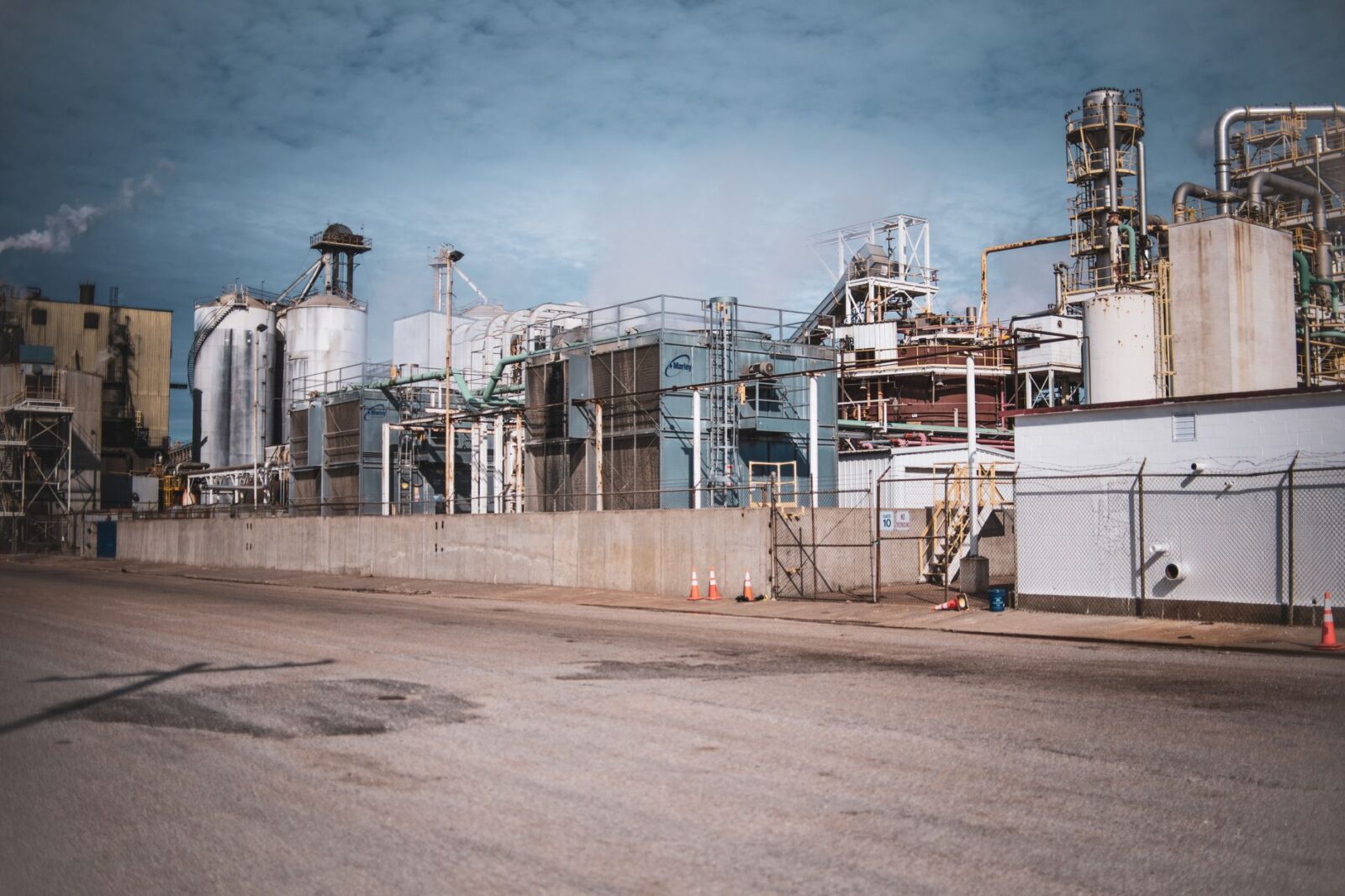
The report treats manufacturing as an economic anchor, crediting it with over 600,000 jobs and about $100 billion in yearly gross domestic product. It also attributes 17.5% of Michigan’s greenhouse gas emissions to industry, a share the plan says must shrink substantially before the state can reach carbon neutrality in 2050.
Grants, a Clean Heat Credit and New Industrial Power Rates
Eight policy measures form the core of the Michigan industrial decarbonization proposal. The opening item calls for repeated grant rounds so plants can modernize equipment and cut emissions, paired with extra financing tools. Another would set up a tax credit for clean heat production, narrowing the price gap between electricity and natural gas.
Regulators would additionally study a separate electricity rate design for facilities whose equipment displaces fossil fuels. Andrew Hoffmeister, a senior consultant on the firm’s industry team, told a Thursday webinar hosted by EGLE that such tariffs should not be paid for by raising bills on current customers. “Of course, we don’t want those rates to work by shifting costs onto existing customers,” he said.
The Michigan industrial decarbonization analysis examines four technical routes: efficiency, electrification, fuel switching, and carbon capture, utilization and storage. Steep capital costs, power prices and risks to production are named as obstacles. Because plants differ in scale, the document argues against a single template and says smaller manufacturers will need hands-on help and money.
Only the opening recommendations were described in the Michigan Advance account; the remaining items, any cost estimates and a schedule were not in the material reviewed. The employment, output and emissions figures stand as cited in that report, and no implementation date has been established.