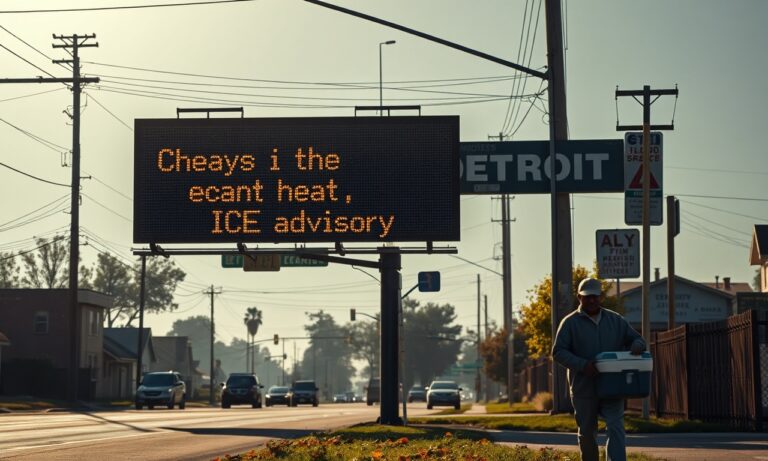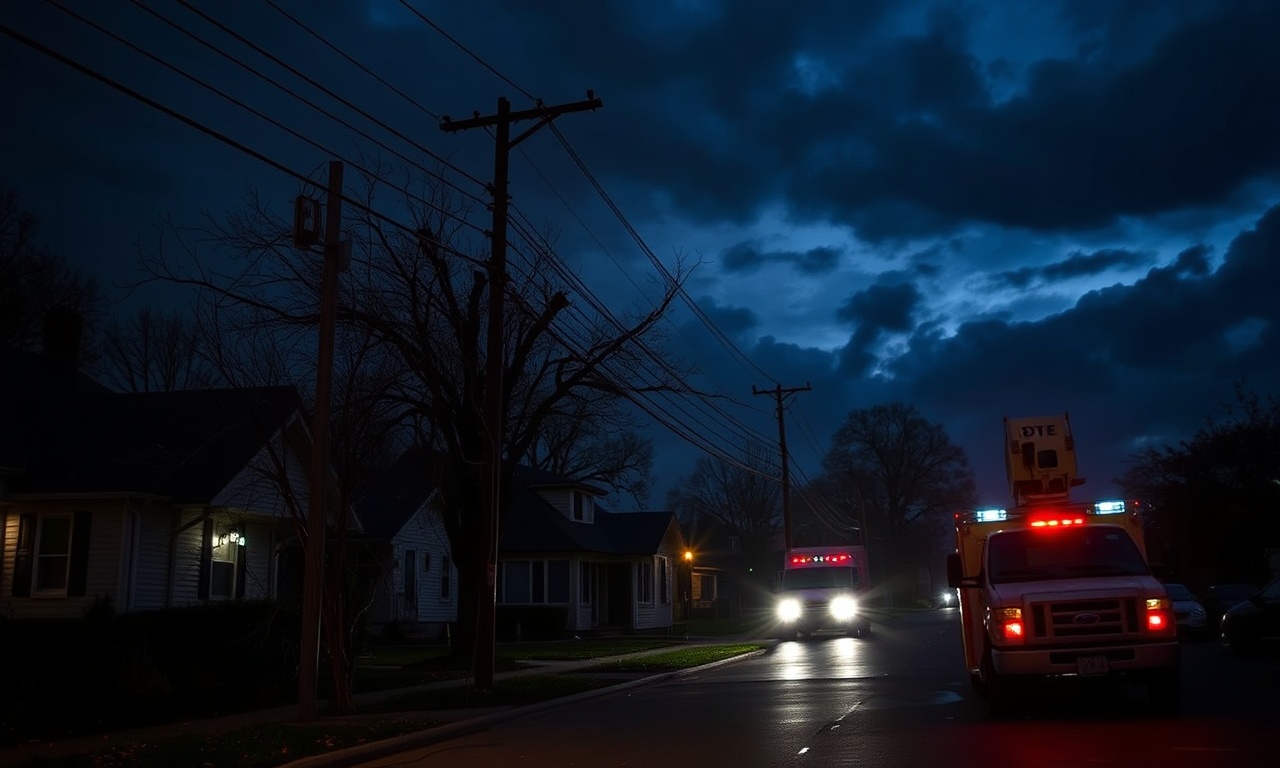
Metro Detroit residents were still dealing with widespread Detroit power outages days after severe storms swept through the region, leaving many neighborhoods in the dark and forcing utility crews to prioritize downed lines, damaged equipment and flooded infrastructure before full restoration. While some customers reported intermittent service returning, others said outages persisted with no clear end point, underscoring the scale of cleanup work following the latest round of Detroit storms.
Consumers Energy and DTE Energy have been conducting power restoration in phases, but residents across multiple communities reported variable timelines tied to the extent of damage and road access for crews. In the meantime, local officials urged residents to treat downed wires as live, use generators safely, and monitor official channels for the latest power restoration updates.
Crews work in phases as outage status remains uneven across Metro Detroit
According to DTE Energy, restoration efforts began with safety inspections and assessments of impacted circuits before crews moved to repairs and reconnection work. The company said outage timing depends on factors such as the number of customers affected, the locations of damage and the availability of crews and equipment. DTE also directed customers to check the company’s outage map for real-time outage status information.
Consumers Energy similarly emphasized that storm-related damage can require extended repairs when equipment is compromised or access is limited. The utility urged customers to keep phones and devices charged for emergency alerts and to continue checking official updates rather than social media posts for account-specific information.
At the municipal level, officials in the City of Detroit and surrounding communities also reminded residents that traffic signals may remain out or flashing after major outages, affecting intersections and road safety. The Detroit Police Department and local public works departments have encouraged motorists to use extra caution when traveling through areas with darkened streets and non-functioning signals.
While some residents reported service returning within short windows—especially for less damaged areas—others said their neighborhoods remained in limbo, citing prolonged periods without electricity, inconsistent mobile coverage in affected areas and difficulty coordinating heating, refrigeration and medical needs during extended outage periods.
Impact on Detroit Residents
In Metro Detroit, power outages do more than disrupt daily routines. They can affect healthcare access, food safety, and commuting patterns—particularly when outages coincide with cold conditions or when roads are blocked by debris.
Households and essential needs: Residents with medical equipment, refrigeration-dependent medications, or mobility limitations faced additional challenges during the outage. Local health agencies and community organizations have repeatedly urged people who rely on medical devices to have backup plans, including generators where appropriate and safe ventilation for any backup power source.
Food and cost pressures: With outages lasting multiple days, spoilage becomes a growing concern for families. Even where utilities provide restoration estimates, the uncertainty can raise costs—especially for renters without the ability to store alternative fuel or invest in backup systems. Neighborhood advocacy groups have noted that prolonged outages can hit low-income households hardest because of limited household savings and reduced flexibility.
Transportation and safety: When power is out, traffic lights can malfunction and intersections become dangerous. Detroit’s grid of street lighting also becomes vulnerable, affecting visibility for drivers and pedestrians. City services may need to prioritize emergency calls and hazards, particularly where storms also caused downed branches or flooded roadways.
Local businesses: For Detroit-area small businesses—especially restaurants, convenience stores, and retailers reliant on refrigeration or point-of-sale systems—outages can reduce sales immediately and strain staff scheduling. Even after power returns, cleanup and equipment checks can keep many businesses closed longer than expected.
According to the U.S. Census Bureau, Detroit and surrounding areas include a high concentration of households that rely on home energy services, and a significant share of residents rent their homes—both factors that can influence how quickly families can recover from extended disruptions. While the Census data does not measure outage duration directly, it helps frame why power reliability is a community equity issue in many neighborhoods.
Background & data on severe weather and grid resilience
Severe weather events—ranging from high winds to heavy rain and lightning—can overwhelm electrical infrastructure, especially when multiple hazards strike at once. Downed power lines, damaged transformers, and flooded substations can all slow restoration efforts.
The National Weather Service has long warned that widespread outages can occur when storms produce wind gusts that break branches into lines or when saturated ground triggers additional hazards. After storms, restoration frequently requires coordination across utilities for both repairs and safety, including verifying that lines are de-energized and replacing hardware that cannot be quickly repaired.
In the Detroit region, the two major investor-owned utilities—DTE Energy and Consumers Energy—serve different geographic territories. Each tracks outages through digital systems and provides public updates, but their restoration processes can vary depending on the type and location of damage. Customers can experience different timelines even if outages appear related, because repair work is managed at the circuit and equipment level.
While utilities typically set expectations that not all customers will return power immediately, the days-long duration in some Metro Detroit areas has drawn increased attention from residents asking why restoration can take longer in certain neighborhoods. Experts often point to the complexity of grid repair after major storms—when crews must locate and isolate faults, stage repairs, and then safely bring systems back online in a sequence that avoids overloading or creating additional hazards.
What happens next: monitoring restoration, safety reminders
Utility companies generally continue restoration work until remaining customers can be safely energized, but residents are encouraged to verify power restoration updates through official channels. For account-specific questions, customers can check their utility’s outage map and follow guidance from the company for reporting hazards and verifying service status.
Local public safety guidance remains consistent across severe weather events: treat every downed wire as if it is live, stay away from utility equipment that may be sparking, and avoid driving through flooded areas—even if vehicles are able to move on the surface. For residents using backup generators, the recommended practice includes operating them outdoors and away from windows and doors to prevent carbon monoxide poisoning.
Community organizations also typically increase support during extended outages by coordinating cooling or warming locations and providing information about how to request assistance. Detroit residents seeking help—particularly those without reliable transportation or backup power—are urged to contact local mutual aid networks and city-supported services.
Staying informed on outage status
For the quickest answers about outage status, residents can consult the outage maps maintained by DTE Energy and Consumers Energy. These maps are updated as crews restore circuits and as new information is confirmed. If your neighborhood’s outage status changes slowly, utility officials advise patience and continued monitoring because repairs may still be underway in nearby areas even when service has not yet returned to every block.
Longer-term questions for Detroit communities
Beyond the immediate cleanup, extended Detroit power outages renew broader conversations about grid hardening, response planning and neighborhood resilience. Residents have increasingly asked how power infrastructure is maintained, how crews are staffed for major storm events, and what infrastructure improvements can reduce the duration of outages in future Detroit storms.
While the utilities work to restore service, local stakeholders—public officials, community groups and emergency managers—often use events like these to review preparedness and recovery strategies, including communication systems, traffic signal backup readiness and the availability of resources for vulnerable residents.
For now, the focus remains on getting power safely back for customers across Metro Detroit. As power restoration updates continue to roll out, residents are encouraged to rely on official maps and verified communications, rather than estimates shared secondhand.