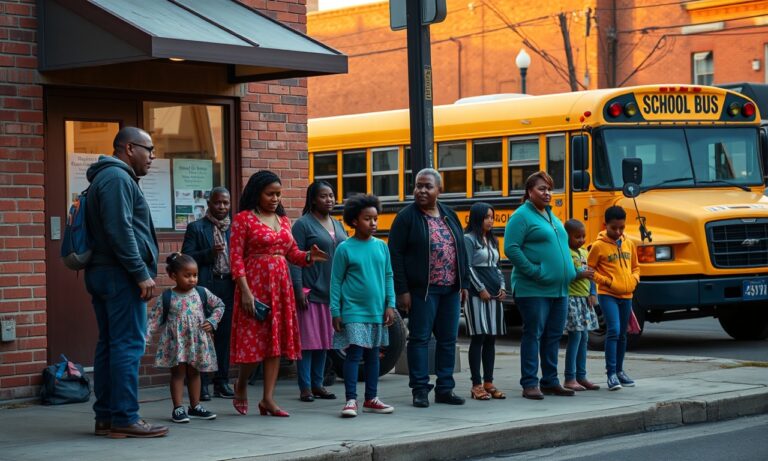
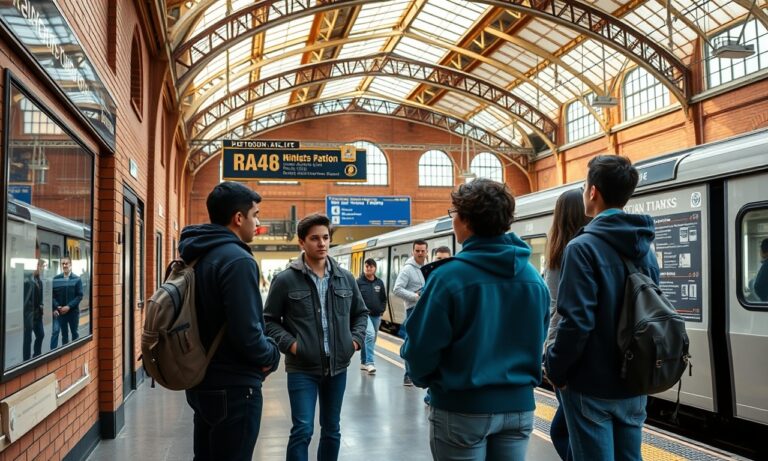
Detroit viewers are keeping a close eye on two very different screens this week: a local-to-national conversation around Diarra from Detroit and a separate pop-culture ripple caused by Emmy Rossum’s Emmy Rossum Furious project announcement. While the productions operate in different lanes, both are contributing to what residents are discussing—Detroit’s portrayal on TV, who gets to tell the story, and how mainstream entertainment can influence interest in the city.
For Detroit TV watchers, the overlap is simple: these titles are part of a broader media ecosystem in which Detroit is no longer only a backdrop. Instead, writers, performers, and studios are increasingly treating the city as a character—shaping tone, setting, and themes ranging from ambition to family life.
Detroit TV this week: what “Diarra from Detroit” signals
Diarra from Detroit has drawn attention as viewers look for shows that connect more directly to the lived texture of the city—its energy, its humor, and its pressures. The series arrives amid a wave of streaming-era content where audiences expect specificity: neighborhoods, community dynamics, and the social reality behind “Detroit” as a brand.
In Detroit, that matters because the city’s image is still contested. After decades when national coverage often focused on decline narratives, many local organizations and researchers have argued for more nuanced representation. According to a report from the John S. and James L. Knight Foundation and UCLA’s Hollywood Media Gateway on media representation, storytelling ecosystems shape how audiences perceive places—especially for viewers who have never visited. The report’s broader point is that accurate, complex portrayals can widen understanding rather than freeze a city into a single stereotype.
Producers of Detroit-centered projects also benefit from a long-running local appetite for cultural output. Detroiters have long supported film, music, and theater that reflect the city’s mix of grit and reinvention. In that context, Diarra from Detroit reads less like a novelty and more like a continuation of local cultural momentum.
Why viewers are talking about authenticity
When a show markets a Detroit angle, audiences tend to watch for how it handles daily life: transit routines, neighborhood geography, humor that feels earned, and whether characters speak in a way that reflects real communities. Detroit TV this week is showing that viewers want the camera to stay close to how people actually navigate the city—what they worry about, how they celebrate, and what they plan for next.
That preference aligns with how Michigan State University’s researchers have discussed place-based media. While specific findings differ by study, scholars often emphasize that representation can influence local pride and outside interest, especially when stories are grounded in recognizable settings and social dynamics. For Detroit, the stakes include not only cultural impact but also how the city is perceived by potential employers, students, and visitors.
Emmy Rossum Furious: a separate TV moment with a Detroit connection
Across the same week, Emmy Rossum Furious has also been on radar—less because of Detroit’s direct storylines and more due to its broader cultural visibility. Rossum, known for high-profile acting and production work, has become part of a national conversation about how TV narratives land with audiences who already feel saturated by content. When a project like this draws attention, it can also indirectly boost curiosity about other Detroit-related titles.
Industry coverage of Rossum’s work has repeatedly highlighted her dual role as an on-screen performer and behind-the-scenes creative influence. In general terms, that kind of involvement can affect what stories get greenlit and how they are shaped for mainstream platforms. While Emmy Rossum Furious is not inherently a Detroit series, entertainment cycles are connected: audiences browse across similar genres, and visibility in one lane often nudges attention toward others.
That effect is measurable in media behavior rather than plotlines. Data from the U.S. Bureau of Labor Statistics, for example, shows how Americans allocate time to media consumption—useful background for understanding why peak TV “talk moments” can quickly become city-to-city conversation. Detroit residents are not immune: when national coverage spikes around a major performer, local viewers often compare what’s being offered on streaming, what’s being marketed, and how regional stories are positioned against mainstream fare.
Impact on Detroit Residents: culture, pride, and the local attention economy
Representation may feel intangible, but the effects often ripple into practical local outcomes. Detroit residents can experience these impacts through jobs in production, local tourism interest, and the broader “attention economy”—the flow of curiosity that can benefit small businesses, venues, and creative workers.
1) Local creative opportunities. Screen projects require labor beyond the cast—wardrobe, catering, location support, production assistants, and post-production services. Detroit has an established network of freelancers and local production support. When Detroit-set titles remain visible, it can encourage future hiring pipelines and keep experienced crews employed between bigger projects.
2) Image and civic pride. Many residents understandably care about how Detroit is framed. According to the U.S. Census Bureau, Detroit’s population trends and demographic shifts continue to reshape the region; when TV stories ignore that complexity, residents can feel misrepresented. Conversely, shows that acknowledge real-life variation—family structures, income differences, generational aspirations—often resonate more strongly and reinforce the idea that Detroit is changing in the ways residents already see.
3) Local economic spillovers. Even when a production doesn’t transform a neighborhood overnight, it can create short-term demand for services: cleaning, rentals, transportation, and local hospitality. For Detroit businesses that support events and shoots, visibility across TV cycles can mean more inquiries and better planning windows.
Still, there’s also a caution: national attention doesn’t automatically guarantee benefits for communities. Researchers and local advocates frequently urge that Detroit’s creative economy be paired with fair employment practices, transparent contracting, and pathways for local talent. The city’s residents tend to notice when projects are shot here but benefits are felt elsewhere.
Background & Data: Detroit’s media footprint and audience habits
Detroit’s place in American entertainment isn’t new, but the distribution model is. Streaming has increased the shelf life of shows and expanded how local stories circulate—meaning a Detroit series can remain in conversation longer than it might have under older broadcast cycles.
There’s also an audience-behavior component. U.S. time-use data from the U.S. Bureau of Labor Statistics indicates that Americans spend substantial time on media, including TV and streaming. In practical terms, that means “TV this week” turns into “TV all month” when a show attracts discussion. Social media clips, reviews, and performer-focused headlines can extend attention far beyond release dates.
Meanwhile, representation studies continue to emphasize that viewers often learn about places through media. The Knight Foundation/UCLA work on media and representation argues that mainstream depictions can influence assumptions about regions—an issue Detroit residents are particularly attuned to given the city’s history of selective storytelling.
What happens next for Detroit viewers
For Detroit residents tracking Diarra from Detroit, the immediate next step is simply staying tuned: episode releases, press interviews, and audience reactions will shape how the show’s Detroit identity is interpreted. Viewers are likely to look for how the narrative balances comedy, conflict, and everyday life—whether it leans into stereotypes or complicates them.
On the national side, Emmy Rossum Furious may continue to draw headlines and discussion that tug at broader audience preferences. Even if the series isn’t Detroit-based, the attention it earns can influence which titles viewers sample next—including Detroit-centered work competing for the same streaming attention.
For Detroit’s creative sector, the most important factor will be follow-through: will local projects maintain momentum in commissioning, will local hiring remain consistent, and will audiences—Detroit and beyond—keep demanding specificity rather than a one-note “Detroit vibe.” If the current conversation is any guide, both titles are part of a shift toward TV that treats Detroit not as shorthand, but as a place with multiple realities.