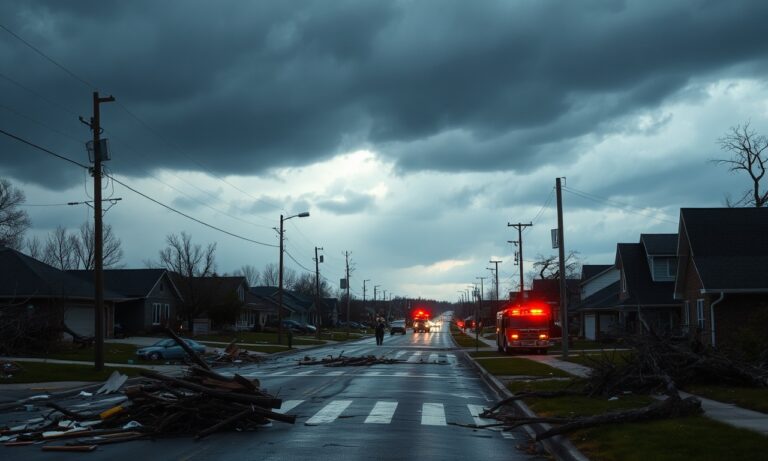
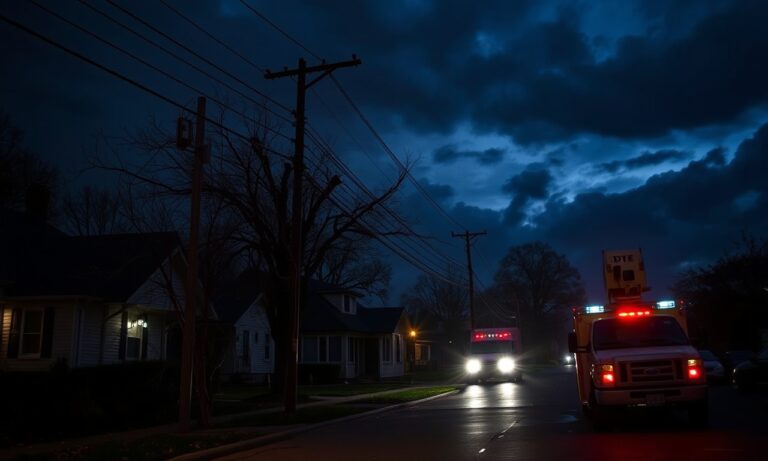
Detroit Lakes residents displaced by Minnesota storms have access to emergency shelter services as local agencies coordinate temporary housing and resources. The Detroit Lakes shelter at M State is now open for people whose homes were damaged or became uninhabitable after severe weather, according to emergency management and campus partners.
Officials said the opening is intended to provide a safe, centralized place for affected residents while they assess damage, arrange repairs and connect with support programs. The response is part of a broader regional effort tied to tornado displaced residents and storm recovery across northern Minnesota.
Detroit Lakes shelter available at M State
The shelter operates through coordination between M State and local emergency management partners, with staff and volunteers assisting residents with basic needs such as overnight accommodations and access to information about next steps. Organizers said entry procedures are designed to ensure safety while also moving people into lodging quickly after the storms.
“Our priority is making sure residents who can’t safely stay in their homes have a warm, secure place to stay,” an official with the Minnesota State emergency response team said in a statement. “We’re working with local partners to connect people to shelter and recovery resources as conditions allow.”
According to the City of Detroit Lakes, the shelter opening is being communicated through local channels so residents know where to go, what to bring and who to contact for assistance. The city said it is also coordinating with utilities and service providers to support residents who are dealing with storm-related outages and damage.
Impact on Detroit Residents and household planning
While the immediate effects of the storms were felt across parts of northern Minnesota, the shelter opening has a ripple effect for the Detroit Lakes residents who need temporary housing—and for Detroit-area observers who may be following family, employment and travel disruptions tied to the storms.
For families affected, the shelter can become the starting point for restoring day-to-day stability. Residents staying overnight are typically expected to monitor local updates regarding inspection timelines, road conditions and any utility restoration efforts, according to emergency management guidance provided to the public.
“When severe weather causes displacement, people often need more than a place to sleep—they need help understanding what comes next,” said a spokesperson for the Minnesota emergency management office. “We encourage residents to check official alerts for shelter status, expected duration and resources available for short-term and longer-term recovery.”
In practical terms, residents may also use the shelter as a base for contacting insurance providers, arranging repairs, and locating missing documents. Agencies involved with shelter operations said they can help connect displaced residents with state and local recovery programs, including assistance for basic needs and damage-related support.
Support for vulnerable residents
Emergency shelter policies generally account for the needs of children, older adults and people with medical or mobility requirements. Shelter partners said they are coordinating staffing so residents can access care resources and transportation guidance if evacuation, medical services or specialized assistance is needed.
Local organizations emphasized that people should bring essential items if they are able to do so quickly and safely, including medications, identification, chargers and comfort items for children. Residents without supplies may still be directed to shelter intake resources on site.
Background & data on storm response
Severe Minnesota storms that include tornado warnings and straight-line wind damage can force rapid decision-making for residents and local governments. Emergency shelters are commonly used during active recovery events to prevent unsafe occupancy in damaged structures and to reduce strain on individual households.
Data from the National Weather Service show that tornadic activity and damaging thunderstorms can occur quickly, often with limited time for residents to relocate before winds pick up. While the storms that led to this shelter opening occurred in Minnesota, the shelter response process follows well-established public-safety principles used across the region.
Local officials said they will continue to monitor conditions that affect shelter operations, including weather forecasts, road access and the status of nearby facilities used for intake and services. The goal is to shift from temporary lodging to longer-term recovery solutions as homes are inspected and cleared for occupancy or residents identify replacement housing.
What happens next
Officials said shelter operations will remain in place as long as needed, based on storm impact, forecasts and the number of displaced residents seeking assistance. Residents are encouraged to follow official updates from the City of Detroit Lakes, relevant emergency management channels, and partner organizations managing intake.
As recovery progresses, organizers said displaced residents can expect additional steps that may include home assessments, debris removal coordination and connections to assistance programs. Where applicable, residents may be advised to document damage with photos and to keep records related to repairs and temporary living expenses.
Local impact beyond the shelter
Even for residents not staying at the Detroit Lakes shelter, the storm response can affect the broader community. Temporary service hubs may increase traffic near intake locations, and utility restoration efforts can change access to businesses and local services. City representatives noted that communication is key to keeping residents informed about road conditions and service interruptions.
For Detroit-area families with connections to northern Minnesota, the shelter opening also highlights how quickly weather events can disrupt travel plans, remote work schedules and caregiving routines. Agencies said they are working to keep residents informed so families can coordinate support from afar.
As the situation evolves, officials said the shelter is one part of a wider response aimed at protecting residents, reducing risk and supporting recovery for tornado-displaced households.