




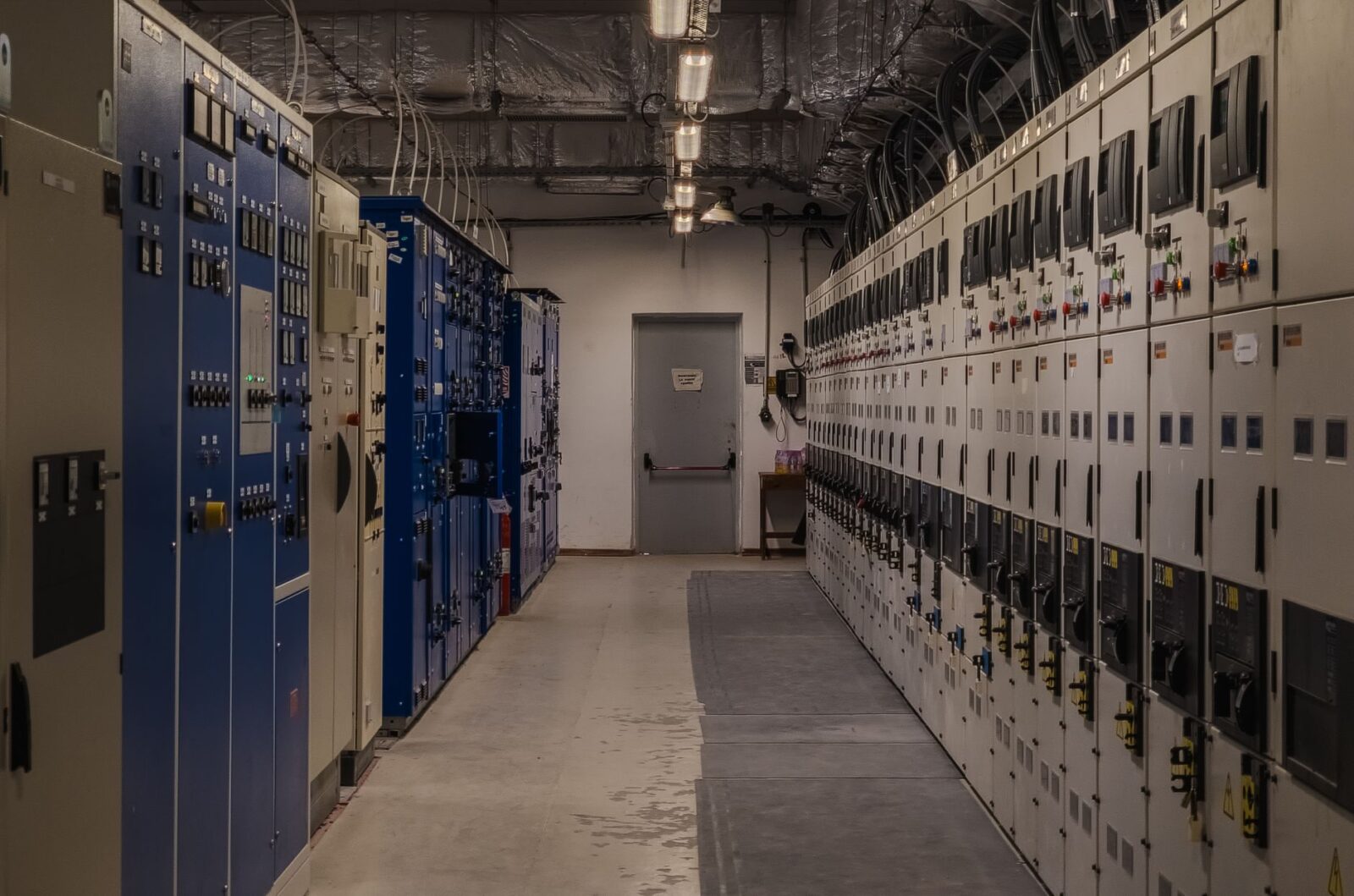
The U-M supercomputing facility planned near Textile and Bridge roads in Ypsilanti Township cleared its decisive governance hurdle on Thursday, when the University of Michigan Board of Regents voted 7-1 to approve the $1.25 billion project. WXYZ Detroit and Michigan Public both reported the vote and the university’s partnership with Los Alamos National Laboratory.
The decision does not settle the dispute. Township officials say they have been authorized to pursue “all legal means” to stop construction, and opponents of the site gathered the same evening for a panel discussion on environmental and land-use concerns.
Regents Approved the U-M Supercomputing Facility on a 7-1 Vote
The two outlets reported the same margin, and Thedetroit described the project in matching terms: a $1.25 billion facility near Textile and Bridge roads in Ypsilanti Township, built with Los Alamos. None of the reports identified which regent cast the lone dissenting vote.
Regent Sarah Hubbard framed the approval as an economic commitment to the state during Thursday’s meeting. “A project of this size just doesn’t get built in a community, it has to be built with one,” she said, according to WXYZ Detroit.
University Leaders Argue Research Capacity Is at Stake
U-M President Domenico Grasso told regents that the university’s existing computing power cannot meet the demands of modern research, comparing the current setup to a rotary-dial phone in an era of smartphones, Michigan Public reported. He also said the university intends to set aside $5 million for community development projects in the township and to work with local leaders on shared priorities.
The scale of the university’s own use is a central point of contention. Michigan Public reported that U-M researchers would use roughly 10% of the center’s capacity while Los Alamos would use the other 90% — a split opponents raise when questioning whether the project primarily serves Michigan. Neither WXYZ Detroit nor Thedetroit reported that breakdown, so it rests on Michigan Public’s account alone.

Township Leaders Say the Vote Ignored Residents’ Objections
Ypsilanti Township Supervisor Brenda Stumbo said she was disappointed by the outcome and described the elected regents as having chosen not to listen to residents, WXYZ Detroit reported. The township hosted Thursday’s panel discussion hours after the vote, featuring environmental and social justice advocates.
Concerns raised there included noise and pollution for nearby homes, possible effects on Native American burial grounds in the area, and the facility’s connection to Los Alamos, the site where the world’s first atomic weapons were developed, according to WXYZ Detroit. Residents who live close to the proposed site have said the university has proceeded without their consent.
A Legal Challenge and a Moratorium Pledge Now Frame the Timeline
Township attorney Doug Winters said local leaders have been authorized to pursue every legal route available to block the build. “It won’t go unchallenged,” he said, according to Michigan Public. WXYZ Detroit reported that the township’s attorney expects incoming state leaders to act on data center policy.
Both outlets reported that Winters and township leaders are pressing Governor-elect Jocelyn Benson, who has said she supports a one-year moratorium on new data centers in Michigan. Michigan Public reported Winters’ view that the university has shown contempt for local officials and for Benson; WXYZ Detroit reported his expectation that the incoming administration will honor its moratorium commitment and that the Legislature will need to put guardrails in place.
- Thursday, Nov. 19, 2026: Regents approve the project 7-1.
- Thursday evening: Township officials host a public panel on the project’s impacts.
- Late 2027: Construction is expected to begin, WXYZ Detroit reported.
What the Approval Means for Washtenaw County and Southeast Michigan
The vote converts a proposal into a scheduled build. WXYZ Detroit reported that construction is expected to start in late 2027, which gives township leaders and state policymakers a window to litigate or legislate before ground is broken. Michigan Public’s report of a $5 million community development set-aside is the only concrete benefit figure the university has attached to the township so far.
The state-level question is whether a moratorium pledge from the governor-elect can reach a project approved by a university board. WXYZ Detroit reported the township’s attorney believes a moratorium covering data centers would include the U-M and Los Alamos project, while Michigan Public reported only that Benson supports a one-year pause on new data centers. Neither outlet reported a legal analysis confirming that a state moratorium would apply to a university-built facility.
Readers weighing the coverage should note one disclosure: Michigan Public’s report carries an editor’s note stating that the University of Michigan holds the station’s broadcast license. That relationship is disclosed in the outlet’s own reporting and does not appear in the other two accounts.
What remains unresolved, as of Nov. 19, is the shape of the township’s legal challenge, whether the Legislature takes up data center rules, and whether any of it delays a construction start now targeted for late 2027.