By Michael Trent
Published: October 24, 2023
Location: Detroit, Michigan
Detroit’s Industrial Evolution: The Surge of Advanced Manufacturing in the Motor City
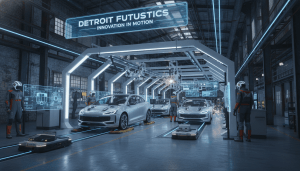
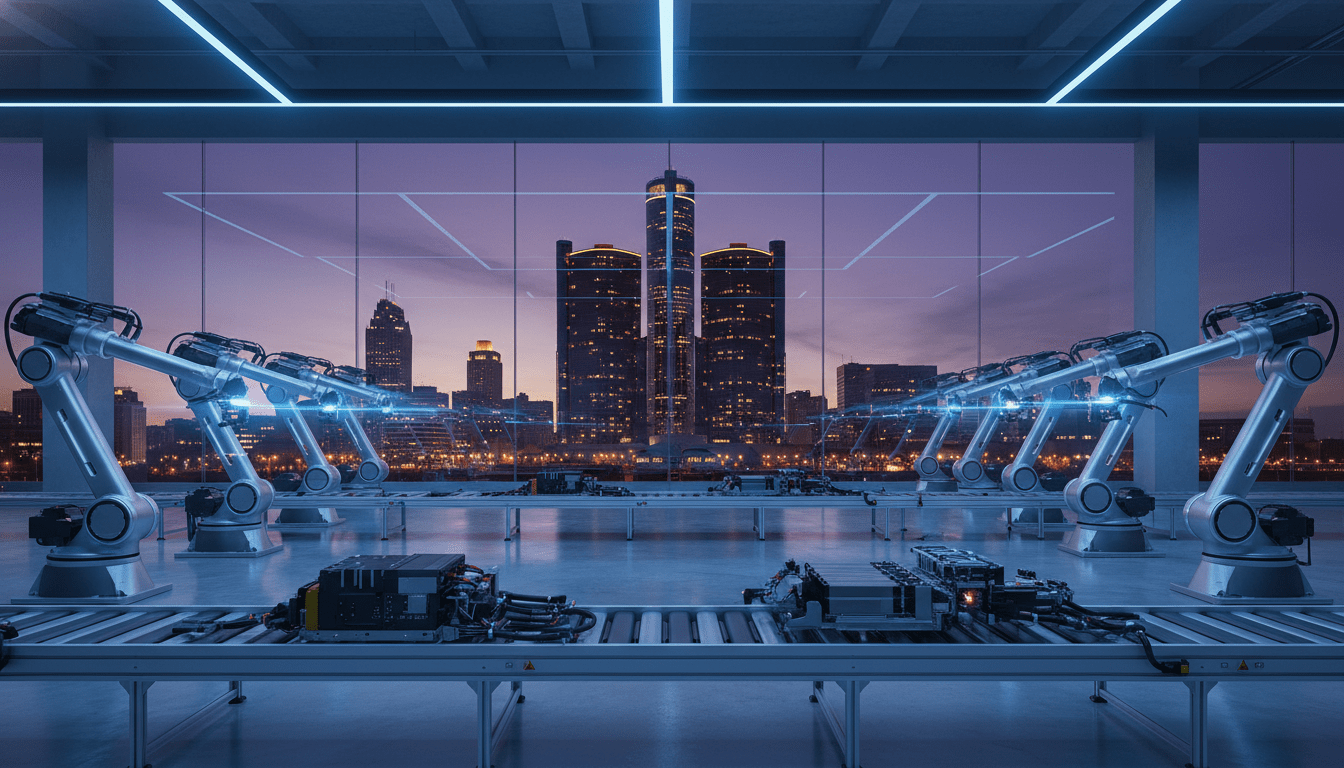
Detroit, long hailed as the automotive capital of the world, is undergoing a profound transformation. The narrative of the "Rust Belt" is steadily being replaced by a reality of high-tech innovation, as advanced manufacturing in Detroit becomes the new standard. From artificial intelligence-driven assembly lines to 3D printing hubs, the city is positioning itself as a leader in Industry 4.0.
This shift represents more than just a technological upgrade; it is a fundamental restructuring of the local economy. According to recent reports from the Detroit Regional Chamber, the integration of robotics, automation, and data exchange in manufacturing technologies is attracting billions in new investment, reshaping the workforce requirements for thousands of residents.
The Rise of Industry 4.0 in Detroit
The transition is being driven by the convergence of traditional industrial strength and emerging digital technologies. Organizations like Automation Alley are spearheading this movement, designating Michigan as a global hub for advanced manufacturing. The focus has moved beyond simple assembly to "smart factories" where machines communicate with one another to optimize production efficiency.
"We are seeing a complete paradigm shift," said a spokesperson for the Michigan Economic Development Corporation (MEDC). "Detroit’s legacy is manufacturing, but its future is digital. The companies thriving today are those integrating sensors, cloud computing, and advanced analytics into their shop floors."
This evolution is particularly visible in the electric vehicle (EV) sector. As major automakers like General Motors and Ford retrofit their local plants—such as Factory ZERO—they are relying heavily on Detroit’s growing EV infrastructure and advanced manufacturing capabilities to produce next-generation batteries and vehicles.
Impact on Detroit Residents and the Workforce
For local residents, the rise of advanced manufacturing in Detroit presents both opportunities and challenges. The days of low-skill, high-wage assembly jobs are fading, replaced by roles that require technical literacy. However, this has spurred a city-wide initiative to upskill the workforce.
Workforce development programs, such as those offered by the Detroit at Work initiative, are aggressively pivoting to offer training in robotics operation, CNC machining, and mechatronics. The goal is to ensure that Detroiters are not left behind as the industry evolves.
"The jobs are here, but they look different than they did twenty years ago," noted a representative from a local vocational training center. "We are seeing high demand for workers who can troubleshoot automated systems rather than just operate manual tools."
This shift is vital for the local economy. Higher-tech manufacturing jobs typically offer higher wages and better long-term stability compared to traditional manufacturing roles, potentially boosting Detroit’s real estate market as wages rise.
Background & Data: The Investment Landscape
Data supports the visibility of this trend. According to the National Association of Manufacturers, for every $1.00 spent in manufacturing, another $2.60 is added to the economy, a multiplier effect that is even higher in advanced manufacturing due to the complex supply chains involved.
Furthermore, federal initiatives and grants aimed at strengthening domestic supply chains have funneled resources into Southeast Michigan. LIFT (Lightweight Innovations For Tomorrow), a Detroit-based national manufacturing innovation institute, has been instrumental in connecting Department of Defense needs with local manufacturing capabilities, bridging the gap between research and commercialization.
Read more about the state’s strategic plan at the Michigan Economic Development Corporation official website.
What Happens Next
Looking ahead, the trajectory for advanced manufacturing in Detroit remains steep. The integration of AI into quality control and the expansion of the industrial Internet of Things (IIoT) will likely continue to accelerate. City officials are currently working on zoning and infrastructure improvements to attract smaller tech-focused manufacturing startups to the city’s industrial corridors.
As the line between Silicon Valley tech and Motor City muscle continues to blur, Detroit stands at the precipice of a new era, redefining what it means to be a manufacturing city in the 21st century.