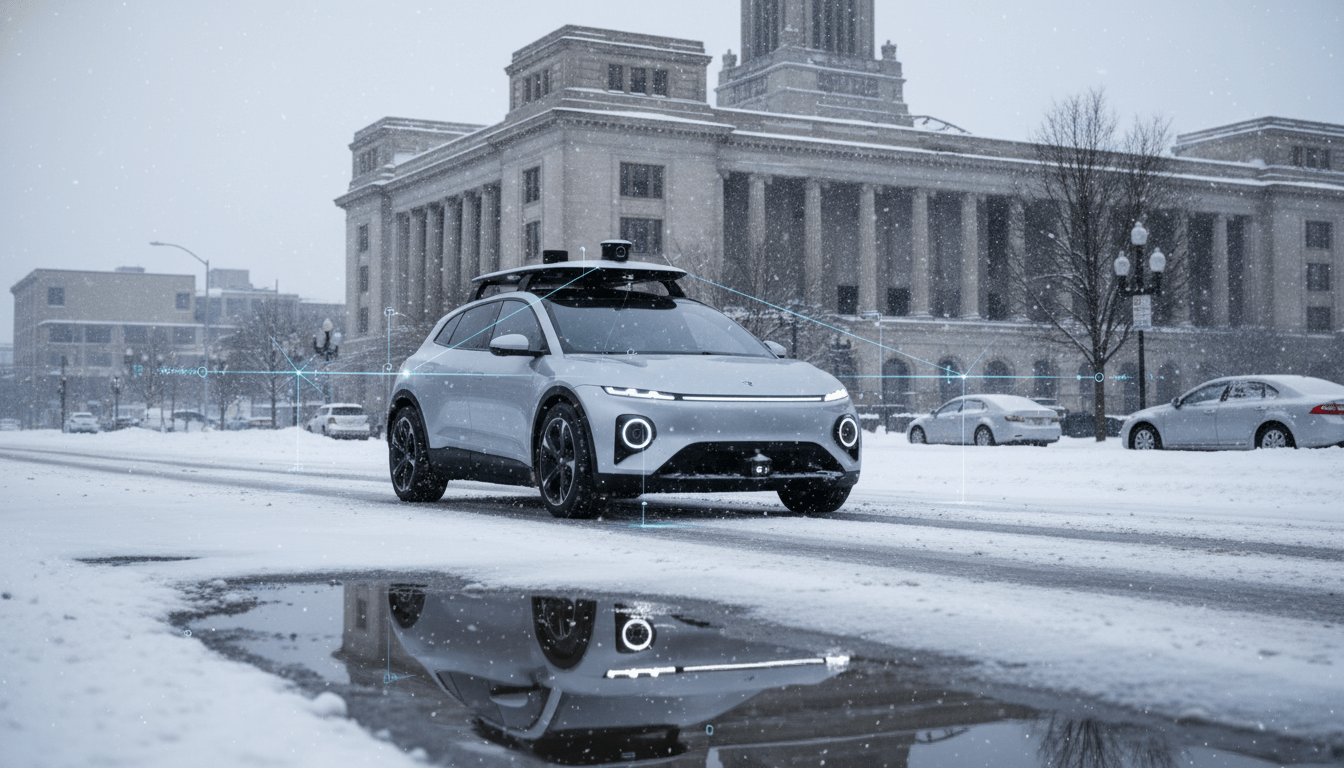
Detroit has long been defined by the internal combustion engine, but the city’s identity is rapidly shifting from the place where cars are built to the place where cars learn to drive themselves. As autonomous vehicle testing accelerates across the metropolitan area, Detroit finds itself at the epicenter of a global race for mobility dominance, balancing the promise of a crash-free future with the immediate concerns of public safety and infrastructure adaptation.
While Silicon Valley often captures headlines for tech innovation, Detroit and Southeast Michigan remain the true testing grounds for real-world application. With the harsh winters, potholes, and complex urban grids, automakers and tech startups agree: if a car can drive autonomously in Detroit, it can drive almost anywhere.
However, the road hasn’t been entirely smooth. Following high-profile setbacks in the industry nationwide, local regulators and residents are asking tougher questions about how autonomous vehicle testing is conducted on public roads. This report examines the current state of self-driving technology in the Motor City, the infrastructure reshaping our neighborhoods, and what this means for the average Detroiter.
The Hub of Autonomous Vehicle Testing
Michigan remains one of the most friendly legislative environments for self-driving technology in the United States. According to the Michigan Economic Development Corporation (MEDC), the state is home to more mobility-related patents and testing facilities than any other region in North America. This isn’t just happening on closed tracks; it is happening on the I-94 corridor and downtown avenues.
Recent developments at the revitalized Michigan Central Station in Corktown highlight this push. Ford Motor Company and various partners have turned the district into a mobility innovation hub. Here, autonomous vehicle testing isn’t just about the vehicles; it is about the “smart” infrastructure that talks to them. Sensors embedded in light poles and pavement are gathering data to help vehicles “see” around corners and anticipate pedestrian movement.
“We are seeing a shift from pure vehicle hardware to a holistic ecosystem,” said a spokesperson for a local mobility startup based in the New Center area. “Detroit offers a unique blend of manufacturing heritage and digital infrastructure that allows us to test edge cases—like snow-covered lane markers—that you simply can’t replicate in Arizona or California.”
Furthermore, the Connected and Automated Vehicle (CAV) corridor project, led by Cavnue in partnership with the Michigan Department of Transportation (MDOT), continues to make progress on I-94. This project aims to create the world’s first premier corridor for connected and autonomous vehicles, potentially segregating traffic to improve efficiency and safety.
Safety Concerns and Regulatory Oversight
Despite the technological optimism, safety remains the primary concern for regulators and residents alike. The industry faced a reckoning over the past year following incidents involving General Motors’ Cruise division and other operators, leading to temporary halts and software recalls. These events have led to a more cautious approach to autonomous vehicle testing in 2025.
Data from the National Highway Traffic Safety Administration (NHTSA) indicates that while human error causes the vast majority of accidents, autonomous systems still struggle with “unpredictable human behavior” and emergency response scenarios. In response, local officials in Detroit have been working closer with state legislators to ensure that cities have more transparency regarding when and where testing occurs.
For Detroit’s evolving automotive sector, the challenge is proving that these vehicles are not just smart, but safe. Manufacturers are now required to provide more detailed incident reports, and the “move fast and break things” mentality of the tech world is being replaced by a “test thoroughly and verify” approach typical of traditional automotive engineering.
Impact on Detroit Residents
What does this mean for the daily life of a Detroiter? For many, the immediate impact is visible in the form of construction and new traffic patterns. The installation of smart infrastructure often requires roadwork, leading to temporary congestion. However, the long-term goal is to reduce traffic jams by smoothing out braking and acceleration patterns through automated driving systems.
There is also the economic angle. The surge in autonomous vehicle testing has created a demand for a specific type of workforce. It is not just about coding; there is a growing need for technicians who can calibrate sensors and maintain these complex fleets. Local community colleges and workforce development programs are beginning to pivot their curriculums to prepare residents for these high-tech roles.
“The narrative that robots are taking jobs is nuanced,” explained a workforce analyst from Wayne State University. “In the short term, we are seeing a boom in technical roles required to keep these testing fleets operational. The goal for the city is to ensure these jobs go to Detroiters, not just imported talent.”
However, skepticism remains high among drivers who share the road with robotaxis. Anecdotal reports of autonomous vehicles stalling at green lights or taking overly cautious turns are common topics of conversation in local neighborhoods. Building public trust is currently the industry’s steepest hill to climb.
Data and Future Trends
According to recent reports from the University of Michigan’s Mcity, a leading test facility, consumer trust in autonomous technology has dipped slightly, emphasizing the need for transparent autonomous vehicle testing. Their data suggests that exposure is key; residents who interact with the technology frequently are generally more accepting of it, provided the interactions are safe.
Looking ahead to the remainder of 2025, we expect to see:
- Expansion of Service Areas: Testing geofences are likely to expand from downtown and Corktown into broader residential neighborhoods.
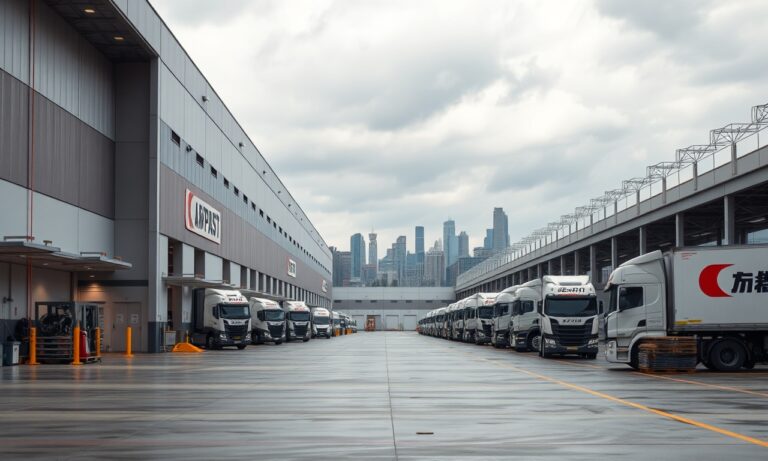
- Heavy Trucking Automation: While robotaxis get the glory, autonomous trucking on highways like I-75 is progressing rapidly, promising to revolutionize logistics.
- Public Transit Integration: Pilot programs exploring autonomous shuttles for “last-mile” connectivity in areas underserved by traditional buses.
What Happens Next?
Detroit is at a pivotal juncture. The city has the opportunity to define the global standards for how autonomous vehicles coexist with dense urban populations. As local technology developments continue to mature, the collaboration between the City of Detroit, MDOT, and private automakers will determine the success of this transition.
For now, Detroiters should expect to see more sensors on the roads and perhaps fewer hands on steering wheels. The era of autonomous vehicle testing is far from over; in fact, it is just entering its most critical phase—the real world.