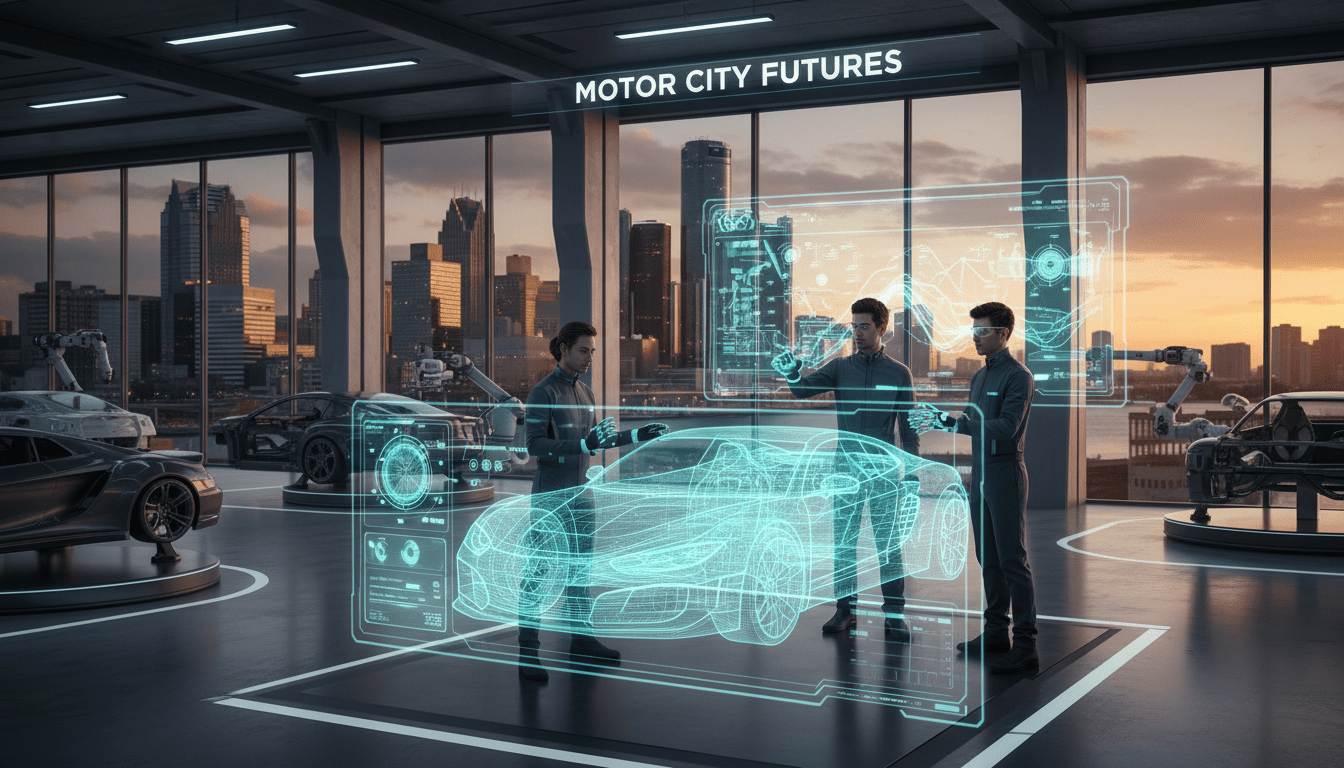
Detroit has long been defined by the stamping of steel and the roar of internal combustion engines. However, a quiet revolution is taking place inside the design studios of Warren, Dearborn, and Auburn Hills. As the automotive industry pivots toward electrification and autonomy, the concept of advanced vehicle design is shifting from exterior aesthetics to complex, software-defined architectures that integrate user experience (UX) with sustainable engineering.
This transition marks a critical turning point for the region. No longer solely the manufacturing capital of the world, Detroit is aggressively positioning itself as the global hub for high-tech automotive design, competing directly with Silicon Valley for talent and innovation.
The Shift to Software-Defined Vehicles
The traditional approach to car design—building a chassis and then fitting electronics into it—is obsolete. According to recent industry analyses from the Center for Automotive Research (CAR), the industry is moving toward “software-defined vehicles” (SDVs). In this new paradigm, advanced vehicle design prioritizes the digital platform, allowing cars to receive over-the-air updates, much like a smartphone.
Local giants are leading this charge. General Motors’ Global Technical Center in Warren has expanded its focus to integrate the Ultium battery platform with advanced digital cockpits. Similarly, Ford’s dedicated electric vehicle division, Model e, is reimagining the vehicle cabin as a “third living space,” emphasizing connectivity and digital services over traditional mechanical horsepower.
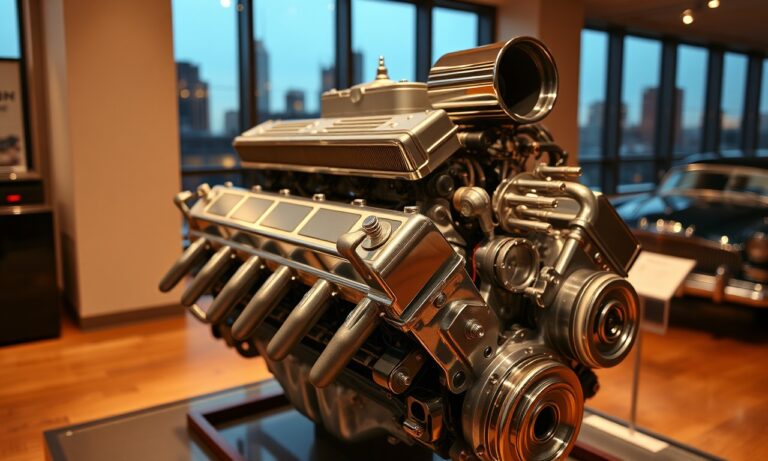
“The hierarchy of design has flipped,” said a senior design strategist at a Detroit-based automotive consultancy. “Ten years ago, the engine dictated the form. Today, the battery pack and the user interface dictate the form. It requires a completely different skillset—designers now need to think like software engineers.”
Integrating Artificial Intelligence in Design
Artificial Intelligence (AI) is also playing a pivotal role in accelerating advanced vehicle design processes. Detroit automakers are utilizing generative design algorithms to create lighter, stronger components that human engineers might never conceive. These AI-driven tools help reduce vehicle weight—a critical factor for extending the range of electric vehicles (EVs)—while maintaining structural integrity.
Impact on Detroit Residents
For the people of Detroit and Southeast Michigan, this shift in industry focus has tangible economic and social implications. The demand for traditional assembly line skills is being supplemented—and in some cases, superseded—by a demand for digital literacy, UX/UI design skills, and electrical engineering expertise.
This evolution presents both a challenge and an opportunity for the local workforce. Educational institutions like the College for Creative Studies (CCS) in Midtown Detroit are at the forefront of this transition. CCS has long been a pipeline for top-tier automotive designers, but its curriculum is evolving to include interaction design and mobility systems, ensuring that Detroit’s youth have a pathway to these high-paying careers.
However, there is concern regarding the “digital divide.” Community leaders emphasize that as Detroit becomes a hub for high-tech vehicle design, accessible training programs must be available to residents in neighborhoods outside the downtown corridor. The shift ensures that the economic benefits of this new automotive era are shared broadly across the city.
See our previous coverage on Detroit’s evolving job market to understand how local startups are bridging this gap.
Sustainability as a Core Design Principle
Advanced vehicle design is no longer just about aerodynamics; it is about the lifecycle of the materials used. With pressure from both consumers and government regulations, Detroit automakers are exploring sustainable alternatives to leather, plastics, and chrome.
Designers are increasingly utilizing recycled ocean plastics, flax-based composites, and soy-based foams in vehicle interiors. This trend aligns with the broader “circular economy” goals set by the City of Detroit and major corporations. By designing vehicles that are easier to disassemble and recycle at the end of their life, the local industry is reducing its environmental footprint.
Data from recent sustainability reports indicates that major Detroit automakers aim to be carbon neutral by 2040 or 2050, heavily relying on these design innovations to meet those targets.
Background & Data: Detroit vs. Silicon Valley
For years, the narrative was that Silicon Valley would eat Detroit’s lunch. Tech giants like Tesla, Waymo, and Apple were expected to dominate the future of mobility. However, the pendulum appears to be swinging back.
- Manufacturing Scale: While tech companies struggle with the complexities of mass manufacturing, Detroit has over a century of expertise in scaling production.
- Integration: Advanced vehicle design requires the seamless marriage of hardware and software. Detroit’s recent moves to bring software development in-house suggest a strategy of total integration.
- Investment: Billions of dollars have been poured into refurbishing local tech centers, signaling a long-term commitment to keeping the brain trust of the auto industry in Michigan.
According to the Michigan Economic Development Corporation (MEDC), the state remains the densest cluster of automotive engineering talent in North America, a critical advantage as vehicle systems become more complex.
What Happens Next?
Looking ahead to 2025 and beyond, advanced vehicle design will likely focus on Level 3 and Level 4 autonomous systems. As vehicles become capable of driving themselves in more scenarios, the interior layout will change drastically. Steering wheels may retract, and seats may swivel to create a lounge-like atmosphere.
Detroit is currently the testing ground for many of these technologies. From the Corktown mobility innovation district to the Mcity Test Facility in nearby Ann Arbor, the region is actively prototyping the future.
For Detroiters, this means seeing more camouflaged prototypes on local roads and witnessing the transformation of historic industrial sites into modern tech campuses. The Motor City is redefining what a motor is, and in doing so, it is redesigning its own future.
For more updates on local industry changes, visit our Detroit Auto & Business section.