For years, Detroit has been synonymous with high auto insurance premiums, often ranking among the most expensive cities in the United States for car owners. However, a quieter financial pressure is mounting for residents across the city: the rising cost of Detroit home insurance. As inflation drives up reconstruction costs and climate-related risks increase, homeowners in Wayne County are facing significant hikes in their annual premiums, threatening housing affordability in neighborhoods recovering from decades of economic volatility.
Recent data indicates that property insurance rates across Michigan are climbing, but the impact is felt disproportionately in Detroit. The convergence of older housing stock, increasing material costs, and regional weather events has created a challenging environment for both insurers and policyholders. For many Detroiters, the rising cost of protecting their largest asset is becoming a critical financial hurdle.
The Factors Driving Up Premiums
According to the Insurance Information Institute, the nationwide surge in home insurance costs is largely driven by economic inflation. However, Detroit faces unique localized factors. The primary driver is the skyrocketing cost of home repairs and construction materials. Lumber, roofing shingles, and labor costs have increased significantly since 2020. Consequently, the “replacement cost” of a home—the amount it would take to rebuild it from the ground up—often exceeds the home’s market value in many Detroit neighborhoods.
Furthermore, severe weather events have played a pivotal role. The historic flooding events of June 2021, which devastated thousands of basements across Detroit and the Grosse Pointes, led to a massive influx of claims. Insurers respond to such aggregate risks by adjusting rates for the entire region.
“We are seeing a market correction that is unfortunately painful for the consumer,” said a representative from a regional housing advocacy group. “When you combine the age of Detroit’s infrastructure with the increasing frequency of severe storms, carriers view the area as higher risk than they did ten years ago.”
The Impact on Detroit Residents and Housing Stability
The rising cost of Detroit home insurance has immediate consequences for housing stability. For homeowners with mortgages, insurance is typically escrowed, meaning a rise in premiums directly increases the monthly mortgage payment. For fixed-income seniors and working-class families, an extra $300 to $500 a year can strain tight budgets.
Perhaps more concerning is the impact on the rental market. Landlords facing higher property insurance costs inevitably pass these expenses down to tenants in the form of rent increases. This dynamic complicates the city’s efforts to maintain affordable housing options.
Additionally, the issue of “credit-based insurance scoring” remains a contentious topic in Michigan. While credit scores are used to determine rates, critics argue this practice disproportionately penalizes residents in lower-income census tracts, regardless of their claims history. Data from the U.S. Census Bureau highlights the economic disparities in the region, suggesting that rate hikes based on credit metrics could widen the wealth gap in Detroit.
Addressing the "Replacement Cost" Challenge
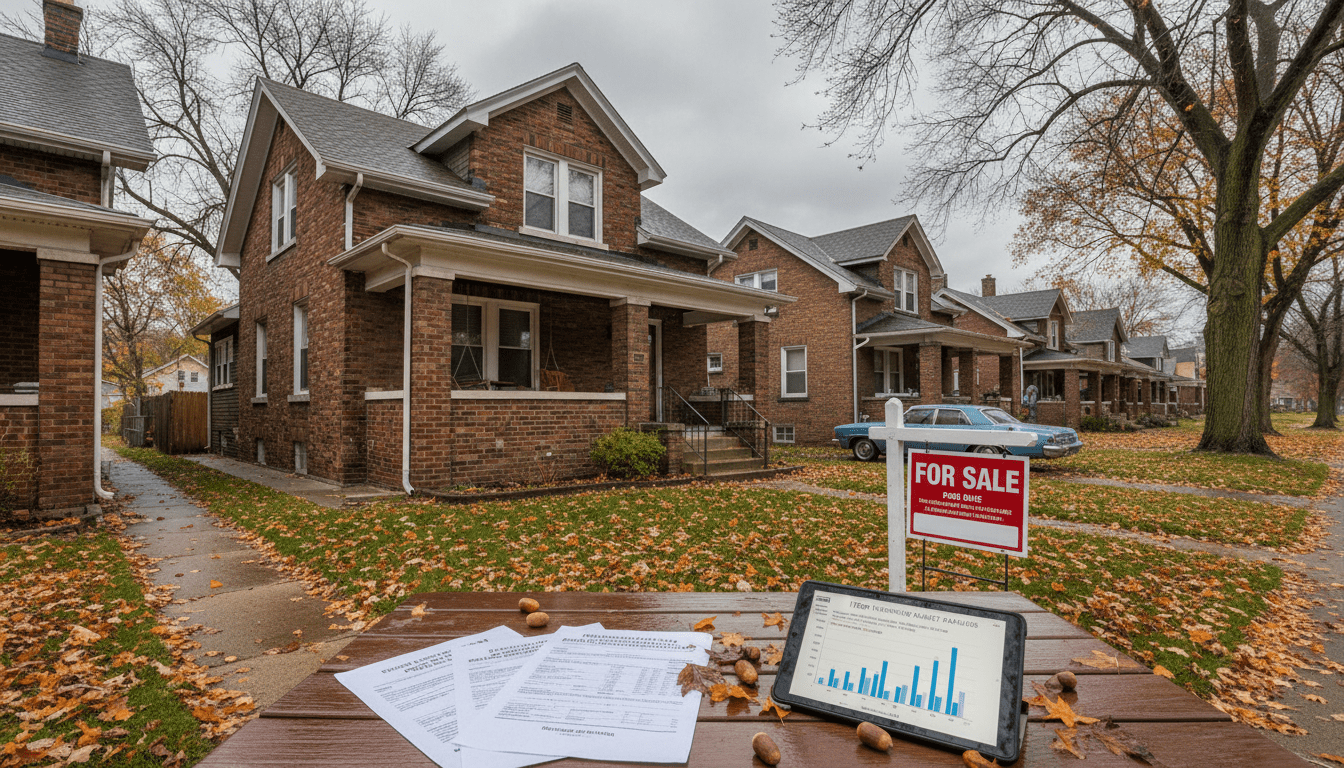
One of the specific anomalies in the Detroit market is the disparity between market value and replacement cost. A historic brick home in a neighborhood like Bagley or East English Village might have a market value of $150,000, but the craftsmanship and materials required to rebuild it after a total loss could exceed $350,000.
To mitigate high premiums, some agents advise homeowners to look into “market value” policies versus “replacement cost” policies, though this comes with significant risks. If a loss occurs, the payout might not be enough to rebuild the home, potentially leaving the property owner with a total loss of equity.
Local housing counselors emphasize the importance of shopping around. Detroit housing market trends show that while property values are rising, the insurance landscape varies wildly from block to block. Residents are encouraged to bundle policies and improve home security systems to qualify for available discounts.
Government Oversight and Future Outlook
The Michigan Department of Insurance and Financial Services (DIFS) continues to monitor rate filings to ensure they are actuarially justified. While the state enacted sweeping auto insurance reform recently, similar legislative aggression has not yet been fully applied to the property insurance sector, despite calls from consumer advocates.
At the municipal level, the City of Detroit is focusing on infrastructure improvements to reduce risk. Investments in stormwater management and sewer system upgrades are critical long-term strategies to prevent future flooding, which could eventually help stabilize insurance rates. You can read more about these projects in our report on Detroit infrastructure updates.
For now, experts suggest that Detroit homeowners review their policies annually. Blindly renewing without checking for competitive rates is a luxury few can afford in the current economic climate. As the city continues its revitalization, ensuring that long-time residents can afford to stay in their homes remains a priority for community leaders.
What Residents Can Do Now
- Review Deductibles: Raising a deductible from $500 to $1,000 can sometimes lower premiums significantly.
- Inspect the Property: Updating old wiring or roofing can lower risk assessments from insurers.
- Bundle Services: Combining auto and home policies with the same carrier is often the most effective way to secure a discount.