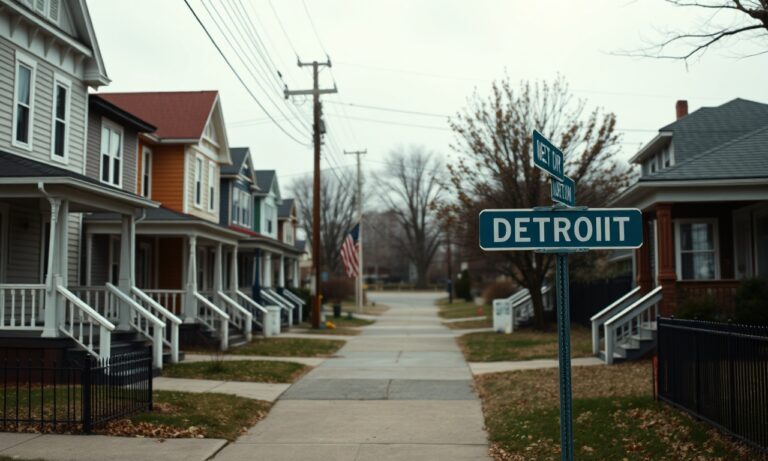
The Detroit housing market is experiencing a pivotal moment of transformation as it moves through the second half of 2024. Characterized by steadily rising property values and a distinct shift away from the cash-heavy transactions that defined the previous decade, the city’s real estate landscape is signaling newfound stability. However, this growth brings with it a complex set of challenges regarding inventory shortages and affordability for long-term residents.
Recent data indicates that while the frenetic pace of the national market has cooled in some sectors, Detroit remains an outlier in terms of value appreciation. Neighborhoods that were once overlooked are seeing renewed interest, driven by a combination of city-led revitalization efforts and individual homebuyer investment. For local stakeholders, understanding these trends is critical as the city continues its trajectory toward economic recovery.
Rising Values and the Shift to Mortgages
One of the most significant indicators of health in the Detroit housing market is the sustained increase in median home sales prices. According to recent data from the Detroit Future City think tank and ongoing tracking by local realty groups, the median sale price in the city has seen year-over-year growth, outpacing many surrounding suburbs in terms of percentage increase.
Perhaps more telling than the price tag is the method of payment. For years, Detroit was categorized as a distressed market dominated by cash investors and bulk buyers. In 2024, the trend has decisively shifted toward mortgage-backed purchases. This transition suggests that banks and lenders are regaining confidence in Detroit’s neighborhoods, appraising homes at values that support traditional financing.
“We are seeing a normalization of the market that didn’t exist ten years ago,” said a local housing analyst familiar with Wayne County trends. “When you see mortgage originations rising in neighborhoods outside of the immediate downtown and midtown core, it signals that the appraisal gap—a long-time barrier for Detroit homebuyers—is finally beginning to close.”
This shift is vital for building generational wealth. As financing becomes more accessible, more Detroiters are able to transition from renting to owning, capturing the equity appreciation that comes with rising home values.
Inventory Tightness Constraints Growth
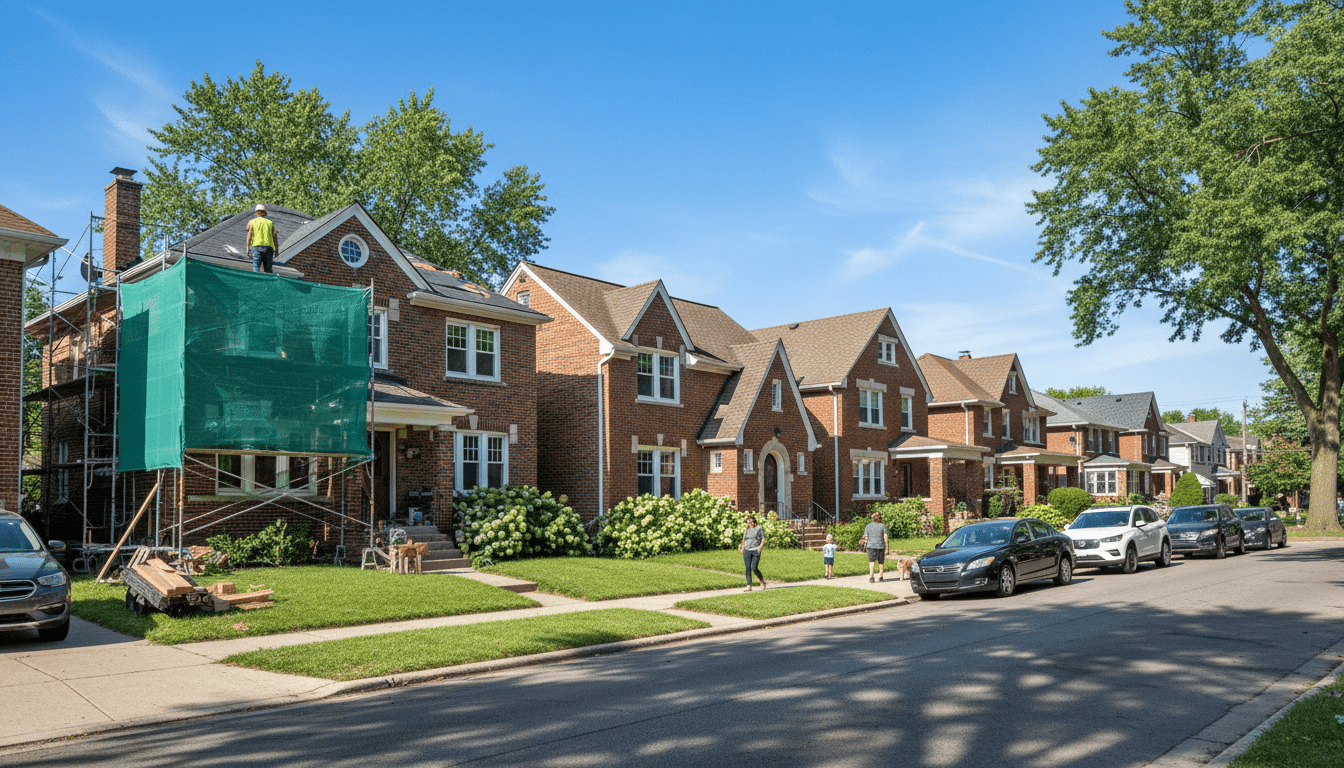
Despite the positive trajectory in values, the Detroit housing market faces a significant hurdle: a lack of quality inventory. While there are thousands of parcels available across the city, the supply of move-in ready homes remains tight relative to demand. Renovation costs continue to be a factor, with the price of labor and materials making it difficult for some rehabilitation projects to pencil out for entry-level buyers.
Real estate listings in popular neighborhoods such as Bagley, University District, and East English Village are seeing shorter days on market compared to previous years. When a turnkey property becomes available, it often attracts multiple offers, a scenario that was rare in these zip codes just five years ago.
The Detroit Land Bank Authority continues to play a massive role in managing the city’s inventory. By auctioning vacant structures and bundling lots, the city is attempting to clear blight while providing opportunities for development. However, the conversion rate of these structures into habitable housing takes time, contributing to the current squeeze on available stock.
Impact on Detroit Residents
For current homeowners, the rising tide of the Detroit housing market is largely good news. Increased property values mean increased equity, giving residents more financial leverage. However, this growth naturally leads to concerns regarding property taxes and displacement. As assessments rise to match market value, long-time residents on fixed incomes face the risk of higher tax bills.
The City of Detroit has implemented various measures to mitigate this, including the HOPE application for property tax exemptions, yet the anxiety regarding gentrification remains palpable in rapidly appreciating districts.
Prospective local buyers face a double-edged sword. While financing is more available, the entry price is higher, and competition is stiffer. For first-time homebuyers currently renting in the city, the window to buy at “bargain” prices has largely closed in established neighborhoods, pushing the search into emerging areas where price points are lower but rehabilitation needs are higher.
For more on how local policies are addressing these shifts, readers can review our coverage on neighborhood development updates which details specific city council initiatives aimed at protecting legacy residents.
Neighborhood-Specific Trends
The recovery is not uniform across the city’s 139 square miles. The market activity is currently segmented into three distinct categories:
- Stabilized Neighborhoods: Areas like Palmer Woods and Sherwood Forest continue to command premium prices, functioning almost independently of the broader city struggles.
- Middle-Market Growth: Neighborhoods such as Fitzgerald and Morningside are seeing increased activity. These areas are becoming the battleground for affordability, where the balance between renovation costs and sales price is most critical.
- Opportunity Zones: Areas with high concentrations of Land Bank inventory are seeing slower, albeit steady, interest, primarily from developers and adventurous rehabbers utilizing the Detroit rehab loan programs available through local partnerships.
Future Outlook: What to Expect
Looking ahead to the remainder of 2024 and into 2025, experts predict a continued, albeit moderate, appreciation in home values. The Detroit housing market is expected to remain resilient even if national economic factors fluctuate, primarily because the entry price in Detroit is still significantly lower than the national average, attracting remote workers and new residents.
The focus for city planners and developers will likely remain on solving the appraisal gap in the city’s middle neighborhoods. If construction costs stabilize and financing programs continue to mature, the supply of renovated homes may increase, helping to balance the market.
Ultimately, the narrative of Detroit real estate has shifted from one of survival to one of complex growth. For residents and investors alike, navigating this landscape requires a keen understanding of block-by-block dynamics.