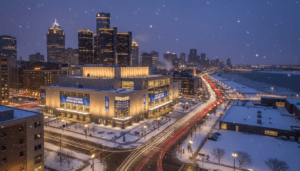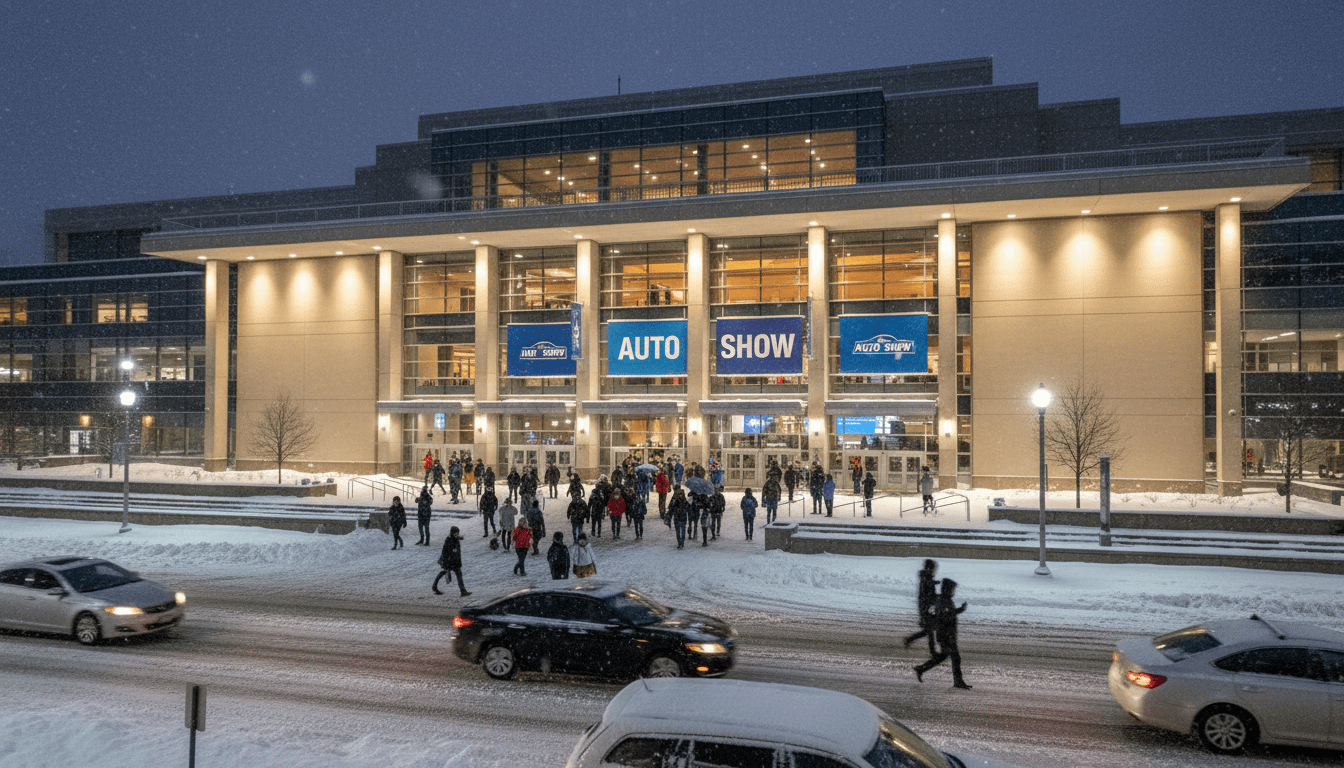
As thousands of industry executives, media personnel, and automotive enthusiasts descend upon Huntington Place this week, the Detroit Auto Show is poised to deliver a substantial jolt to the local economy. Returning to its traditional winter schedule, the North American International Auto Show (NAIAS) has reignited the bustling atmosphere that downtown Detroit businesses have historically relied upon during the colder months.
Following a brief and experimental stint with September dates in recent years, organizers made the strategic decision to move the show back to January. According to data from the Detroit Metro Convention & Visitors Bureau, this shift is expected to maximize hotel occupancy and restaurant revenue, filling a critical gap in the city’s post-holiday tourism calendar.
Economic Impact by the Numbers
The economic footprint of the Detroit Auto Show is far-reaching. Historically, the event has generated hundreds of millions of dollars in economic impact for the Southeast Michigan region. While official figures for this year will be tallied post-show, early indicators suggest a strong rebound toward pre-pandemic levels.
“The return to January is significant for the hospitality sector,” said a representative from Visit Detroit. “September is already a busy month with other events and good weather, but January is a time when the city benefits immensely from a marquee event that drives tens of thousands of visitors into our hotels and dining establishments.”
Local economists point to the “multiplier effect” of the show. It isn’t just about ticket sales at Huntington Place; it is about the ancillary spending. This includes:
- Hospitality: Downtown hotels are reporting near-capacity bookings, with rates adjusting to meet the high demand.
- Transportation: Ride-share services and private transit companies see a massive spike in usage.
- Contracting and Labor: The weeks leading up to the show provided employment for hundreds of skilled tradespeople, carpenters, and electricians responsible for building the elaborate multi-million dollar displays.
Impact on Detroit Residents and Small Businesses
For Detroit residents, the influx of visitors brings both opportunities and logistical adjustments. Local business owners, particularly those operating within the Central Business District and Corktown, are bracing for what is often their most profitable week of the year.
“We staff up specifically for this week,” mentioned the manager of a popular restaurant on Woodward Avenue. “The lunch rush doubles, and dinner service is booked out weeks in advance. For the service industry in Detroit, the Auto Show is akin to a second holiday season.”
However, the surge in activity also impacts daily life for locals. The city has issued advisories regarding road closures and parking restrictions around Huntington Place. To mitigate congestion, officials are encouraging residents to utilize public transportation options, including the Detroit People Mover and the QLINE, which have extended hours to accommodate the show crowds.
Beyond traffic, the show offers residents a firsthand look at the future of the region’s primary industry. With a heavy focus this year on electric vehicles (EVs) and battery technology, the event serves as a showcase for the very jobs being created in manufacturing plants across Michigan.
The Shift Back to January
The decision to abandon the fall schedule was driven by feedback from automakers and dealers. While the September shows allowed for outdoor activations, they conflicted with the start of the new model year production cycles and other global events. The return to January reclaims Detroit’s position as the kick-off event for the global automotive calendar.
Rod Alberts, executive director of the Detroit Auto Dealers Association, has previously noted that the goal is to reinvent the show while honoring its roots. By bringing the event back indoors during the winter, the focus returns squarely to the vehicles, the technology, and the business of mobility, rather than outdoor entertainment.
This pivot is also crucial for the ongoing development of downtown Detroit. The captive audience created by the winter weather forces attendees to utilize the connected skywalks and immediate downtown amenities, concentrating spending within the city limits rather than dispersing it to outdoor venues further afield.
Industry Trends and Global Attention
This year’s Detroit Auto Show is characterized by a “less flash, more tech” approach. While the elaborate, multi-story stands remain, there is a distinct shift toward demonstrating practical EV adoption and autonomous driving capabilities. Major automakers, including the Detroit Three—General Motors, Ford, and Stellantis—are utilizing the platform to reassure investors and consumers about their EV roadmaps amidst a fluctuating market.
International media presence has also seen a tick upward compared to the transitional September years. Journalism teams from Europe and Asia have returned in force, ensuring that for at least one week, Detroit is the dateline for global business news.
What Happens Next?
As the Public Days open, the true measure of success will be foot traffic. The Charity Preview, a staple of the Detroit social calendar, has already raised significant funds for children’s charities, setting a positive tone for the week.
Looking ahead, city officials are monitoring the economic data closely. A successful January show secures the event’s future at Huntington Place and validates the massive investments made in the city’s convention infrastructure. For now, the restaurants are full, the hotels are booked, and the spotlight is firmly back on the Motor City.