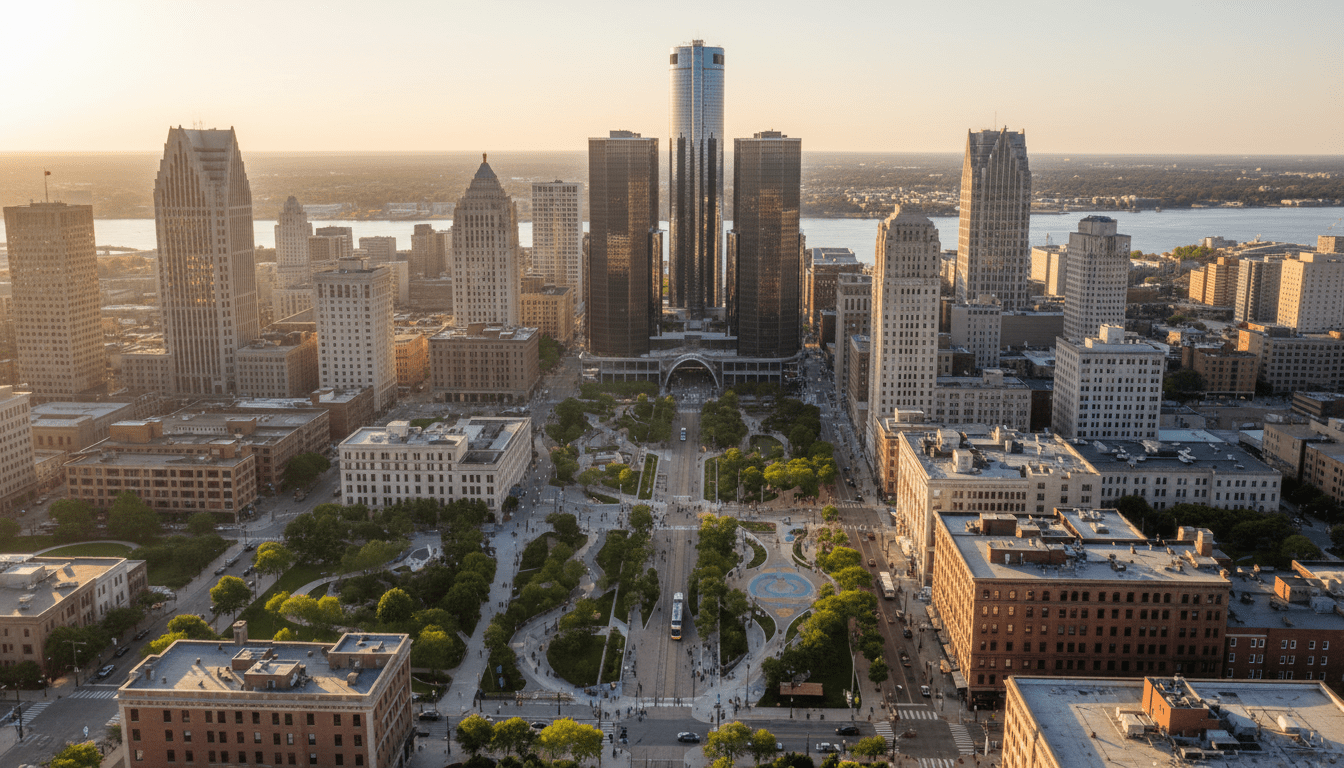
By the start of 2026, the visual and economic landscape of downtown Detroit is projected to undergo its most significant transformation in over half a century. A series of high-profile Detroit development projects, ranging from the completion of the state’s second-tallest skyscraper to the total reimagining of urban transit corridors, are reaching critical milestones that will redefine how residents and visitors interact with the city core.
According to the City of Detroit Planning and Development Department, the convergence of private investment and federal infrastructure grants has accelerated timelines for several long-awaited initiatives. While city officials point to these changes as a sign of a robust Detroit economy, local residents and community advocates are closely monitoring the impact these developments will have on housing affordability and neighborhood accessibility.
The Hudson’s Site and the New Vertical Core
The centerpiece of the 2026 skyline will be the completed Hudson’s Site development by Bedrock. Located on the historic site of the former J.L. Hudson Department Store, the project consists of a 685-foot tower and a mid-rise building featuring luxury condominiums, a 5-star hotel, and significant commercial office space. Bedrock officials have indicated that by 2026, the site will be fully operational, acting as a primary anchor for the downtown Detroit retail district.
Economic analysts suggest that the influx of high-income residents and corporate tenants could stimulate further growth in the service sector. However, the sheer scale of the project has prompted discussions regarding the balance between luxury spaces and the needs of everyday Detroiters. Recent data from the City of Detroit indicates that while downtown density is increasing, the demand for mixed-income housing remains a primary concern for the administration.
Infrastructure and the I-375 Transformation
Perhaps the most debated aspect of the upcoming changes is the planned conversion of I-375. The Michigan Department of Transportation (MDOT) has outlined a multi-year project to remove the sunken freeway and replace it with a street-level boulevard. This project aims to reconnect downtown with the historic Lafayette Park and Eastern Market neighborhoods, which were physically severed by the highway’s construction in the 1960s.
By 2026, the initial phases of this project are expected to show visible changes in traffic patterns and pedestrian access. According to MDOT, the new boulevard will include dedicated cycling lanes and wider sidewalks, reflecting a shift toward multi-modal urban growth. While urban planners praise the removal of the highway as a move toward equity, some residents express concern about potential traffic congestion during the lengthy construction phase and the rising property taxes in adjacent areas.
How Detroit Development Impacts Local Residents
For long-time residents, the rapid pace of downtown Detroit changes brings a mixture of optimism and apprehension. In a recent community meeting held in the North End, residents voiced concerns about “displacement by proximity,” where rising costs in the central business district eventually push out residents in surrounding neighborhoods. Local business owners, however, have noted that the increased foot traffic from new city projects has helped stabilize their revenue after the volatility of the early 2020s.
The impact on local people is not limited to real estate. The expansion of the District Detroit—a multi-billion dollar collaboration between Olympia Development and Related Companies—is expected to create thousands of construction and permanent service-sector jobs. The City’s Civil Rights, Inclusion, and Opportunity Department has emphasized that these developers must adhere to the Community Benefits Ordinance, which mandates that a percentage of jobs be filled by Detroit residents.
Background and Economic Data
The current surge in Detroit development is backed by a strengthening Detroit economy. Data from the Southeast Michigan Council of Governments (SEMCOG) indicates that the city’s unemployment rate has reached historic lows in recent years, while private investment in the downtown core has exceeded $5 billion over the last decade. This growth is a departure from previous cycles of boom and bust, as the current expansion is more diversified across tech, healthcare, and logistics.
Internally, Detroit housing market trends suggest that while inventory is growing, the pricing of new units remains high. This has led the city council to implement new zoning requirements that incentivize developers to include affordable units within their downtown projects. As of 2024, nearly 20% of new residential starts in the downtown area are required to be set aside for those earning 60% or less of the Area Median Income (AMI).
What Happens Next: The Road to 2026
As the city prepares for the 2026 deadline, several smaller-scale city projects will also come to fruition. These include the expansion of the Joe Louis Greenway into the downtown area and the modernization of the Huntington Place convention center. These projects are part of a broader strategy to position Detroit as a premier destination for international events, such as the upcoming FIFA World Cup matches being held in nearby regions.
For the average Detroiter, the success of these plans will likely be measured by the quality of life improvements seen on the ground. “It’s not just about the tall buildings,” said one resident of the West Canfield historic district. “It’s about whether we can still afford to live here and whether the public transit actually works to get us to those new jobs downtown.” More information on local initiatives can be found in our previous coverage of small business growth in Detroit neighborhoods.
City leaders maintain that the 2026 vision is about more than aesthetics; it is about creating a sustainable urban growth model that can withstand future economic shifts. As construction cranes continue to dot the horizon, the city remains at a crossroads between its industrial past and its aspiration to become a modern, walkable, and inclusive metropolis.