The Detroit Red Wings have reportedly shifted their offseason priorities in a way that keeps them from taking on the type of high-cost trade risk that would have come with chasing a marquee name like Darnell Nurse, according to multiple NHL trade rumor discussions that have circulated around the league. While the specific terms of any hypothetical deal remain unconfirmed, the direction Detroit appears to be taking—tightening up goalie and defense planning and preserving roster flexibility—offers a clearer path for how the club intends to improve without betting the farm.
The league-wide chatter that included Detroit Red Wings and NHL trade rumors tied to Nurse underscored how quickly the cost of acquiring an elite defensive player can strain a team’s cap structure and forward depth. Detroit’s approach, at least for now, appears aimed at avoiding that “nightmare scenario” where a single splash move forces additional compensatory cuts and roster churn later.
Main Section: What the Darnell Nurse chatter really signals
In the modern NHL, a defenseman like Nurse is not just a player—he’s an anchor who tends to come with an outsized salary and contract length implications. That means the decision to pursue someone in that tier isn’t only about talent; it’s also about long-term roster math. For Detroit, the concern isn’t simply whether Nurse would help on the blue line, but whether the cost could undermine other needs across the team, particularly between the pipes and in the wider defensive group.
According to CapFriendly, one of the most widely referenced public resources for NHL contract and salary-cap tracking, teams evaluating trade targets typically model multiple scenarios: current cap room, projected retention (if any), and the downstream effects of adding salary while maintaining the ability to address other roster gaps. That type of modeling tends to matter even more for clubs in the middle of their own roster build, where the path to improvement depends on keeping several pieces aligned rather than overcommitting to one position.
Detroit’s rumored restraint also echoes how NHL front offices have treated defense additions in recent years: there is often a preference for a combination of internal development, targeted free-agent or trade pickups, and contract-aware cap management over a single major move that could reduce flexibility. In that context, sidestepping the Darnell Nurse trade risk would align with what many teams try to do—improve the back end while protecting the rest of the roster from forced compromises.
Impact on Detroit Residents: Why a cautious offseason matters
For Red Wings fans across Metro Detroit, offseason choices may feel distant compared to the daily realities of neighborhoods and local businesses. But hockey operations have a measurable local impact: successful teams drive demand for events, premium experiences, and retail activity around Little Caesars Arena, while roster stability helps sustain the fan base through the long season.
Detroit’s approach to Red Wings roster moves can also influence how the club allocates resources across player development. That matters to local residents indirectly through sustained activity in the broader hockey ecosystem—junior and minor-league partnerships, youth training programs, and the employment pipeline connected to team operations and game-day staffing.
According to the U.S. Census Bureau, the economic ripple from major sports is often felt through visitor spending and hospitality activity, which are shaped by scheduling and overall team competitiveness. While the Census Bureau doesn’t track NHL roster decisions directly, its broader regional employment and spending data is routinely used by economists to assess how sports seasons affect local spending patterns.
By avoiding a deal that could make later adjustments more painful, Detroit’s offseason posture—if it holds—may reduce the odds of abrupt personnel turnover. That steadier foundation can translate into more consistent team performance, which in turn supports ticket demand, merchandise sales, and the broader “game week” economy near the arena.
Background & Data: The cap reality behind NHL trade rumors
The most important context for any NHL trade rumors involving elite talent is the collective bargaining framework: the salary cap, contract term, and the requirement to keep rosters within the league’s rules. For fans, that can be hard to visualize—until a “big-name” target is rumored and the math starts to show why teams are cautious.
As CapFriendly details in its public reporting and cap snapshots, teams evaluate how trades affect not only their immediate cap space but also their ability to sign and re-sign players who are approaching key contract years. When you add salary for a defenseman, you generally need answers elsewhere: Who plays if the lineup shifts? What happens to depth if another contract is added? How does the team plan for goaltending if defensive structure changes?
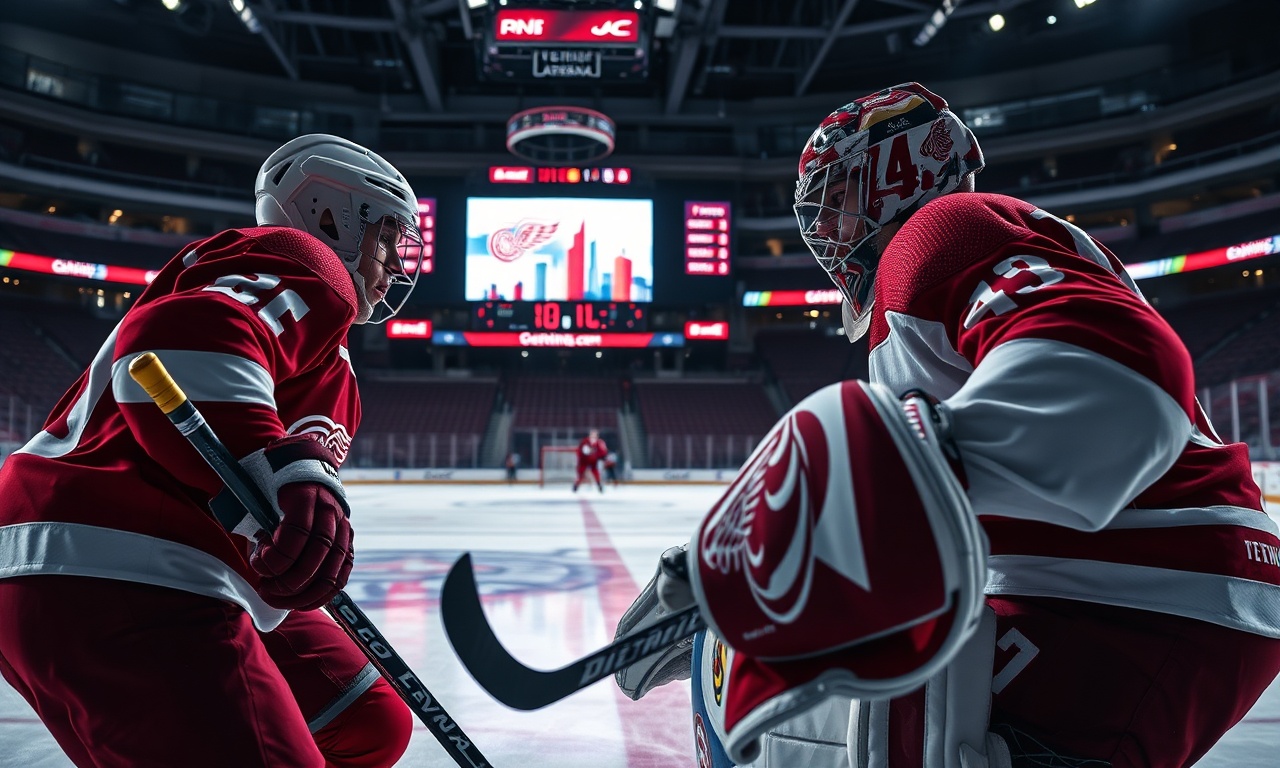
Detroit’s reported interest in avoiding the avoided nightmare scenario of overextending on a single roster move suggests a preference for balance—particularly in the areas fans see most during games: defensive zone structure and the protection of the crease.
That’s where goalie and defense planning becomes central. A strong defensive plan can lower shot quality, shorten offensive cycles against Detroit, and make goaltending easier to execute. Conversely, if a team’s defense is compromised or reorganized through constant roster churn, the goalie can become the scapegoat for structural issues. Detroit’s interest in thoughtful planning rather than a high-profile trade may be aimed at preventing that pattern.
What happens next for the Detroit Red Wings
Nothing about Detroit’s rumored restraint means the Red Wings are standing still. If the team is indeed steering away from a Darnell Nurse-style risk, the likely next steps would involve smaller, contract-aware moves—either through roster adjustments, depth acquisitions, or structured development plans that complement the defensive system already in place.
For hockey operations, “what happens next” typically includes three tracks: internal evaluation of existing defensemen and goaltending performance; targeted transactions that fill specific weaknesses; and contract decisions that protect future flexibility. Fans should watch for signals in training camp roster construction and early-season lineup stability—those are often the clearest indicators of whether an offseason strategy is built for gradual improvement or forced reshaping.
If Detroit follows through on this approach, the result would be a back end and crease situation built to support consistent goaltending output rather than relying on a single acquisition to solve multiple problems at once. In practical terms, that’s the type of offseason that can make the regular season feel steadier—both on the ice and around Detroit.
Bottom line
Detroit’s sidestep of the Darnell Nurse trade risk—amid Detroit Red Wings and NHL trade rumors circulating around the league—points to an offseason strategy focused on balance: preserving flexibility, strengthening defensive structure, and prioritizing goalie and defense planning. For a fan base that lives with the long swings of rebuilding and contention, that’s a practical way to keep progress from turning into disruption.