A recently uncovered subterranean passage near Detroit’s historic riverfront has sparked renewed interest in the city’s vast and often undocumented underground infrastructure. The discovery, made during preliminary utility excavations for a new mixed-use development, has drawn the attention of local historians, city officials, and the urban exploration community. The Detroit tunnel, which appears to predate the mid-20th century, serves as a physical reminder of the layers of history buried beneath the modern skyline.
The Unearthing of a City Mystery
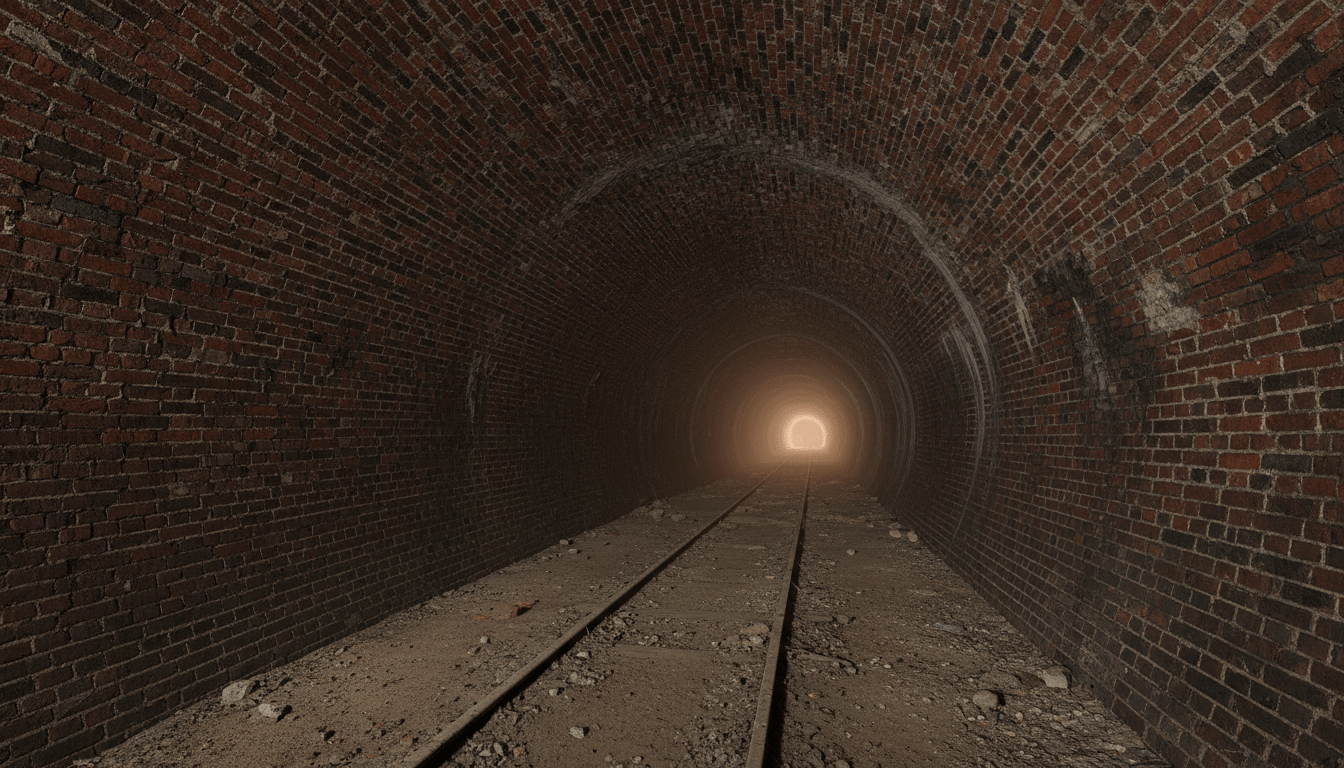
The passage was first identified by contractors working near the intersection of Atwater Street and St. Antoine. Initial reports suggest the structure is a brick-lined vault approximately six feet in height, extending several dozen yards toward the Detroit River. While the city is known for its extensive network of salt mines and utility corridors, this specific Detroit tunnel does not appear on contemporary municipal maps, leading many to label it a genuine city mystery.
Local historians suggest the find could be linked to several eras of Detroit history. Some speculate it may have served as a clandestine transport route during the Prohibition era, while others believe it is a remnant of the city’s early drainage system. According to the Detroit Historical Society, the city’s geography is riddled with abandoned infrastructure that reflects its evolution from a colonial outpost to an industrial powerhouse.
Urban Exploration and Public Interest
As news of the discovery spread across social media, the site has become a focal point for those interested in urban exploration. Detroit has long been a global destination for explorers seeking to document abandoned industrial sites, but underground discoveries offer a rarer glimpse into the past. However, city officials are urging caution. Entering undocumented subterranean structures poses significant risks, including structural instability and the presence of hazardous gases.
“While we understand the public’s fascination with these hidden places, unauthorized entry into active construction zones or undocumented tunnels is illegal and extremely dangerous,” a spokesperson for the Detroit Department of Public Works stated during a recent press briefing. The department emphasized that many of these tunnels are not ventilated and could collapse without warning.
Historical Context and Expert Insights
To understand the significance of the find, researchers are looking at archival maps from the late 19th century. Data from the Detroit Historical Society indicates that the riverfront area was once a dense network of warehouses, rail spurs, and shipping docks. Many of these businesses maintained private tunnels for moving goods away from the elements or for specialized industrial processes.
Historians also point to Detroit’s role in the Underground Railroad and later, the Rum-Running era. During the 1920s, it is estimated that roughly 75% of all liquor smuggled into the United States during Prohibition came through the Detroit River corridor. Hidden tunnels were frequently utilized by smuggling rings to move contraband from the water’s edge to local speakeasies without detection. While no artifacts have been recovered from this specific tunnel yet, the architectural style suggests it was built with significant investment, pointing toward a commercial or industrial purpose.
Impact on Detroit Residents and Development
For current residents, the discovery of a hidden Detroit tunnel is more than just a curiosity; it has practical implications for neighborhood development and property values. In many Detroit neighborhoods, the presence of forgotten infrastructure can complicate new construction projects, leading to delays and increased costs for stabilizing the ground.
Real estate developers must now conduct more thorough geophysical surveys to ensure that historical voids do not compromise the integrity of new housing and commercial structures. For the community, these discoveries often lead to calls for better historic preservation. Rather than filling the tunnels with concrete, some residents advocate for documenting and, where possible, incorporating these features into the city’s cultural narrative.
The Future of the Discovery
The City of Detroit has paused construction at the immediate site to allow for a brief archaeological assessment. According to the Michigan State Historic Preservation Office, the goal is to determine if the tunnel holds significant cultural value that would warrant a formal designation. If the structure is deemed purely utilitarian and poses a safety risk, it will likely be capped or filled to allow the development to proceed.
Regardless of the final outcome, the discovery has reinvigorated the conversation regarding Detroit’s hidden places. As the city continues its modern renaissance, the secrets of its past continue to surface, offering a complex look at the industrial and social forces that shaped the Motor City. For now, the tunnel remains a silent witness to a bygone era, waiting for its full story to be told through the careful study of municipal records and physical evidence.
Residents interested in learning more about the city’s subterranean past can visit the official City of Detroit website for updates on local infrastructure projects and historical preservation initiatives. As Detroit moves forward, it remains a city where the past is never truly buried, but rather waiting just beneath the surface to be rediscovered.