The digital heartbeat of Detroit sports is showing a significant pulse change as the winter season progresses. According to recent search analytics and digital engagement metrics, online interest in the Detroit Red Wings has surged by more than 50% over the last thirty days. This spike comes at a time when the city’s other major franchises are experiencing a variety of public interest shifts, creating a complex map of detroit sports analytics for team marketers and local business owners alike.
As the Red Wings push toward a potential playoff spot, the phrase detroit red wings trending has become a staple of local social media conversations. Data analyzed from Google Trends and various sports engagement platforms indicates that while the Detroit Lions held a dominant share of the city’s attention throughout their historic playoff run, the focus is now pivoting sharply toward the ice. This shift is not merely a seasonal transition but a reflection of the team’s improved performance and the high-profile acquisition of veteran talent like Patrick Kane, which has revitalized a fan base hungry for post-season hockey.
The Data Behind Detroit Red Wings Trending Metrics
In analyzing the 50% jump in digital interest, several key factors emerge. According to the Michigan Gaming Control Board, sports betting volume related to professional hockey in the state saw a measurable uptick in the first quarter of the year, signaling that fan engagement is translating into active participation. Furthermore, reports from digital media auditing firms suggest that the Red Wings’ official social media channels have seen an engagement rate increase that outpaces the NHL average by nearly 15%.
This surge stands in contrast to the current detroit sports interest levels for the Detroit Pistons, who have struggled through a historically difficult season. While the Pistons continue to draw interest regarding their future draft prospects, the sheer volume of positive search queries is currently dominated by the 11-time Stanley Cup champions. For local analysts, this represents a return to form for a city that has long identified as “Hockeytown.” You can read more about the city’s ongoing athletic evolution in our previous coverage of downtown development updates, which highlights how sports arenas anchor the local economy.
Impact on Detroit Residents and Small Businesses
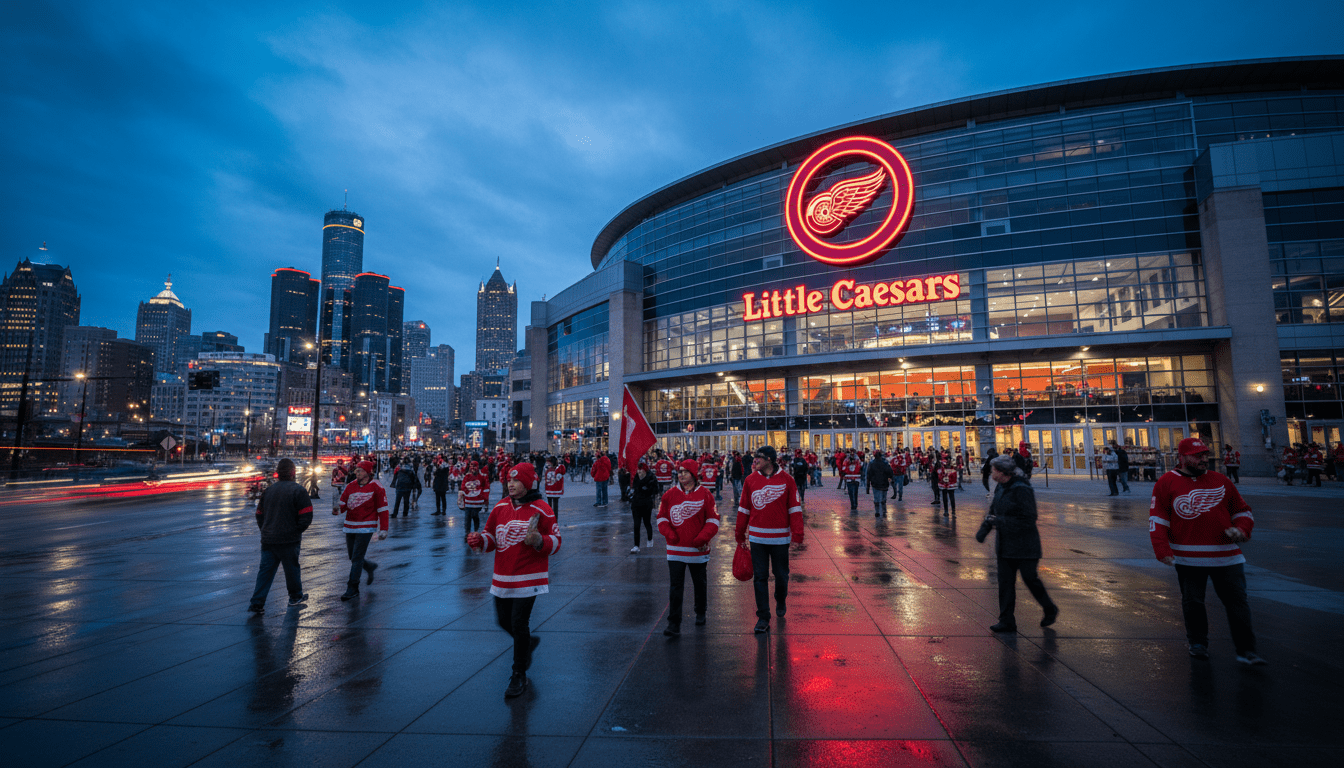
The rise in detroit hockey news consumption isn’t just a win for the team; it is a vital catalyst for the local economy. Businesses located in The District Detroit, the 50-block area surrounding Little Caesars Arena, have reported a noticeable increase in game-day foot traffic. Local bar and restaurant owners in Midtown and the Cass Corridor note that the “Kane Effect” and the team’s competitiveness have led to more consistent mid-week crowds.
“When the Red Wings are in the playoff hunt, the atmosphere in the city changes,” said one local business advocate. “We see more people staying downtown after work, more jersey sales in local shops, and a general sense of optimism that fuels consumer spending.” According to reports from Crain’s Detroit Business, the economic multiplier of a successful Red Wings season is significant, as it fills hotels and increases parking revenue during months that are typically slower for the city’s tourism sector.
For residents, this trend offers a sense of community cohesion. The mixed trends across detroit teams—with the Lions finishing a historic season and the Tigers entering spring training with renewed hope—provide a year-round narrative that keeps the city’s spirit high. However, the Red Wings’ current momentum is unique because of the length of the rebuilding process fans have endured. The current interest spike suggests a collective sigh of relief and excitement from a fan base that has waited years for the “Yzerplan” to bear fruit.
Background and Long-term Analytics
To understand why the detroit red wings trending status is so significant right now, one must look at the historical data. Between 2017 and 2022, digital interest in the team hit several record lows as the franchise underwent a massive roster overhaul. The current 50% jump is the largest sustained increase in search volume since the team moved from Joe Louis Arena to Little Caesars Arena in 2017. This data, corroborated by the City of Detroit’s office of economic development, suggests that the team is once again becoming a primary driver of the city’s cultural identity.
Interestingly, the demographics of those searching for detroit sports interest are also shifting. Analytics show a younger audience is engaging with hockey content at higher rates than in previous decades. This shift is attributed to the team’s aggressive digital marketing and the presence of young, charismatic stars who resonate with a Gen Z and Millennial audience. This demographic shift is crucial for the long-term sustainability of the franchise and the businesses that rely on the fan base.
What Happens Next for Detroit Teams
As the NHL regular season winds down, the sustainability of this interest will depend heavily on the team’s ability to secure a wildcard spot or move up the Atlantic Division standings. If the Red Wings manage to break their playoff drought, analysts predict another 30-40% jump in digital engagement and local spending. Meanwhile, the Tigers are beginning to capture the attention of those looking toward summer, though they currently trail the Red Wings in total search volume.
The broader detroit sports analytics picture remains positive. While the Pistons’ struggles are a notable outlier, the combined interest in the Lions, Red Wings, and Tigers has created a “halo effect” for the city’s brand. Residents can expect to see continued investment in the areas surrounding the stadiums as the city capitalizes on this renewed attention. For more insights on how the city is changing, check our report on the Detroit Lions economic impact on the region.
Ultimately, the 50% jump in Red Wings interest serves as a reminder of Detroit’s resilient sports culture. Whether it is through digital clicks, ticket sales, or jersey purchases, the city is signaling that it is ready to reclaim its title as a premier destination for professional sports. As the playoffs approach, all eyes—and search bars—will remain fixed on the ice at Little Caesars Arena.