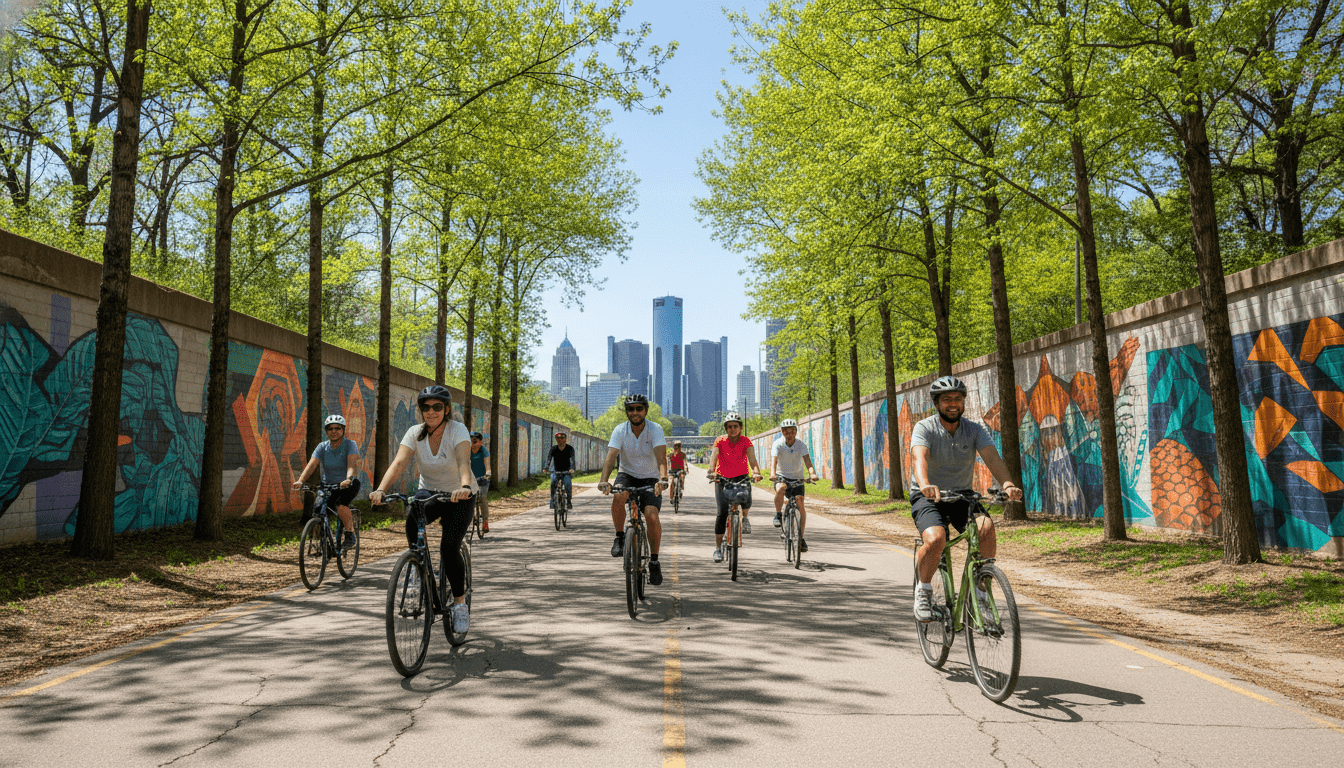
With the arrival of consistent spring temperatures across Southeast Michigan, Detroit’s expansive network of non-motorized trails is experiencing a notable increase in traffic. From the award-winning Riverwalk to the burgeoning Joe Louis Greenway, Detroit cycling has transitioned from a niche activity to a primary mode of recreation and commuting for thousands of residents.
Expanding the Footprint: Detroit’s Greenways Gain Momentum
The rise in trail usage is not incidental; it is the result of over a decade of intentional urban planning and multi-million dollar investments. According to the Detroit Riverfront Conservancy, the city’s riverfront has consistently been recognized as one of the best in the country, drawing millions of visitors annually. This spring, the momentum has shifted toward connecting these waterfront assets to interior neighborhoods via the Dequindre Cut and the Joe Louis Greenway.
City officials note that the increase in bike trails Detroit has developed is part of a broader strategy to improve resident health and mobility. The Joe Louis Greenway, a planned 27.5-mile loop, is already seeing high usage on its completed segments in the Westland and Livernois areas. Residents are increasingly utilizing these paths not just for weekend leisure, but as a viable alternative to motorized transit in a city historically dominated by the automobile.
Impact on Detroit Residents and Local Neighborhoods
For many Detroiters, the proliferation of Michigan biking infrastructure represents a significant shift in neighborhood accessibility. In areas like Southwest Detroit and the North End, trail connectivity has provided safer routes for students and workers. Local business owners along these corridors have reported a visible uptick in foot and pedal traffic since the spring thaw began.
“We see a direct correlation between trail maintenance and the number of customers stopping in,” said a local bike shop coordinator near the Dequindre Cut. This economic ripple effect is a key component of the city’s neighborhood revitalization strategy. Beyond economics, the social impact is evident in the rise of community-led cycling groups that organize weekly rides, fostering a sense of community safety and shared public space.
Data and Infrastructure Trends in Southeast Michigan
Data from the Southeast Michigan Council of Governments (SEMCOG) suggests that non-motorized transportation is a growing priority for the region. In their recent mobility reports, SEMCOG highlighted that residents are prioritizing outdoor activity and proximity to green spaces when choosing where to live. The City of Detroit has responded by integrating protected bike lanes into major thoroughfares like Cass Avenue and Jefferson Avenue, creating a mesh network that feeds into the larger trail systems.
Investment in Detroit infrastructure projects has reached record levels, with federal grants contributing to the completion of the Southwest Greenway, which connects Corktown to the riverfront. This specific link has been praised by urban planners for bridging a long-standing gap between one of the city’s oldest neighborhoods and its most popular recreational asset.
Health and Environmental Benefits
Public health advocates have long pointed to the lack of accessible exercise space as a factor in urban health disparities. The expansion of Detroit cycling opportunities provides a low-cost entry point for physical activity. Furthermore, the environmental impact of shifting even a small percentage of short-distance trips from cars to bicycles aligns with the city’s sustainability goals. According to the Michigan Department of Transportation (MDOT), increasing cycling infrastructure is a core component of reducing carbon emissions in urban centers.
What Happens Next: Future Connectivity and Safety
The City of Detroit General Services Department continues to work on the remaining phases of the Joe Louis Greenway, with several miles of new trail expected to open before the end of the year. The focus is now shifting toward long-term maintenance and ensuring that the trails remains safe and clean for all users. Increased park ranger presence and community ambassador programs are being deployed to manage the higher volumes of spring recreation seekers.
As Detroit continues to redefine its relationship with transportation, the success of its bike trails serves as a model for other post-industrial cities. With further expansions planned for the Iron Belle Trail and additional neighborhood connectors, the city’s reputation as a destination for outdoor activity in Michigan is likely to grow, further integrating the cycling culture into the fabric of Detroit life.