The professional sports landscape in Southeast Michigan is undergoing a significant analytical transformation as the city moves toward 2026. While the Detroit Lions have dominated recent headlines with their playoff runs, a new deep-dive analysis into market data and consumer engagement reveals that the Detroit Red Wings are emerging as a primary pillar of the city’s long-term sports economy. According to a recent report by Visit Detroit, the intersection of team performance, venue optimization at Little Caesars Arena, and a surge in regional tourism has positioned the Red Wings at the center of a burgeoning sports district economy that is expected to peak in the coming years.
The Analytics Behind Why Detroit Red Wings Trending Statistics are Rising
Data provided by various Detroit sports analytics firms suggests that the Red Wings’ current trajectory is not merely a result of on-ice performance, but a shift in the regional demographic’s spending habits. Market analysts have noted that the Detroit Red Wings trending metrics in digital engagement and merchandise sales have outperformed expectations for the current fiscal cycle. This growth is particularly concentrated in the ‘District Detroit’ area, where a mix of residential growth and commercial development has created a stable base of local consumers.
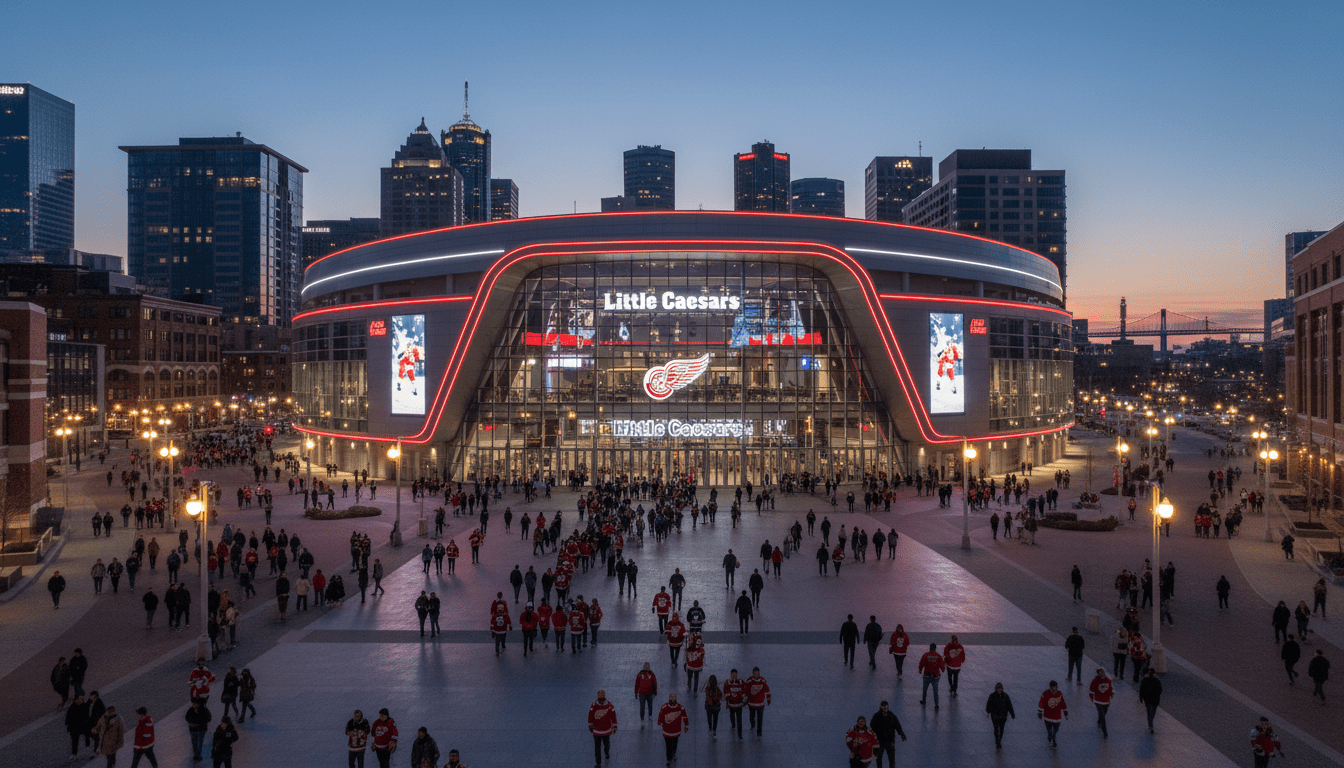
According to the Michigan Economic Development Corporation (MEDC), the density of foot traffic in the Midtown and Downtown corridors on game days has seen a 14% increase compared to the 2023-2024 baseline. The data suggests that hockey fans are spending more time and money in the city before and after games, a trend that local officials hope to maintain as part of the broader local business growth strategy. Analysts believe this is part of a larger pattern identified in the Detroit sports trends 2026 forecasts, which predict a more integrated relationship between professional teams and urban infrastructure.
Impact on Detroit Residents
For the residents of Detroit, the rising profile of the Red Wings and the surrounding District Detroit development represents more than just entertainment. The economic ripple effects are being felt in the local job market and transportation sectors. The City of Detroit has noted an increase in demand for transit services, including the QLINE and expanded bus routes, specifically on nights when the Red Wings are playing at home. This has led to new discussions regarding the long-term sustainability of the city’s neighborhood revitalization efforts and how sports can serve as a catalyst for infrastructure investment.
Local business owners in the Cass Corridor have reported that the consistency of the hockey schedule—spanning from autumn through spring—provides a more reliable revenue stream than the shorter seasons of other professional sports. “The hockey season is the backbone of our winter revenue,” stated one restaurant owner in a recent city-led business forum. This sentiment is backed by data from the Detroit Sports Commission, which highlights that the hockey market contributes significantly to the city’s hospitality tax base during months that are typically slower for tourism.
Analyzing Detroit Sports Trends 2026 and Beyond
Looking ahead, the Detroit sports market is preparing for a landmark year in 2026. While national attention often focuses on the NFL or the potential for World Cup-related soccer interest, the underlying Detroit sports analytics show a loyal and growing core for the Red Wings. The University of Michigan’s economic forecasting units have suggested that the “legacy brand” of the Red Wings provides a stabilization factor for the city’s sports economy that newer or more volatile markets lack.
The current analysis points toward several key factors that will define the 2026 market: the continued expansion of the District Detroit residential projects, the integration of advanced betting and analytics platforms into the fan experience, and the increasing globalization of the Detroit hockey news cycle. As the Red Wings continue to integrate young talent, their marketability to a younger, tech-savvy demographic is increasing, which in turn drives the digital metrics that advertisers and developers use to justify new investments in the downtown core.
Background and Data Sources
The conclusions drawn in this analysis are based on data from several key organizations. Reports from the U.S. Census Bureau regarding Detroit’s population stabilization provide the backdrop for these market shifts. Additionally, financial disclosures from the Downtown Development Authority (DDA) indicate that the tax increment financing generated within the sports district has exceeded projections for three consecutive quarters. A recent study published by the Visit Detroit tourism bureau confirms that ‘sports-primary’ visitors now account for nearly 20% of all overnight stays in the downtown area.
What Happens Next
As Detroit continues to position itself as a premier destination for professional sports, the role of the Red Wings as an economic anchor is likely to solidify. City planners are currently reviewing proposals for further enhancing the pedestrian experience around Little Caesars Arena, including better lighting, permanent security enhancements, and more diverse retail options. These improvements are designed to capitalize on the fact that the Detroit Red Wings are trending upward not just in the standings, but in the economic spreadsheets that define the city’s future. The focus will now shift to the 2025-2026 season, which many believe will be the definitive proof-of-concept for Detroit’s modern sports-centric urban planning model.