The Detroit sports landscape is undergoing a significant transformation. While the city has recently basked in the glow of a revitalized Detroit Lions franchise and a historic NFL Draft turnout, the Detroit Red Wings are quietly and steadily reclaiming their throne in the local market. New data regarding television viewership, ticket sales, and consumer engagement suggests that detroit red wings popularity is reaching heights not seen since the team’s last deep playoff run over a decade ago.
A Resurgence in the Detroit Sports Market
For decades, Detroit was defined by the ‘Hockeytown’ moniker. However, a lengthy rebuilding process following the departure of legendary players like Pavel Datsyuk and Henrik Zetterberg led to a period of cooling interest. That trend has officially reversed. According to reports from the Detroit Sports Commission, the synergy between the city’s four major professional teams is at an all-time high, with the Red Wings acting as a primary driver of winter economic activity downtown.
Data indicates that local television ratings for the Red Wings on regional sports networks have seen a double-digit percentage increase year-over-year. This spike in interest coincides with the team’s competitive push for a postseason spot and the emergence of young stars like Moritz Seider and Lucas Raymond. Unlike previous years where interest might wane during mid-winter, the 2023-2024 season saw sustained engagement that has carried over into offseason merchandise sales and season ticket renewals.
Impact on Detroit Residents and Local Business
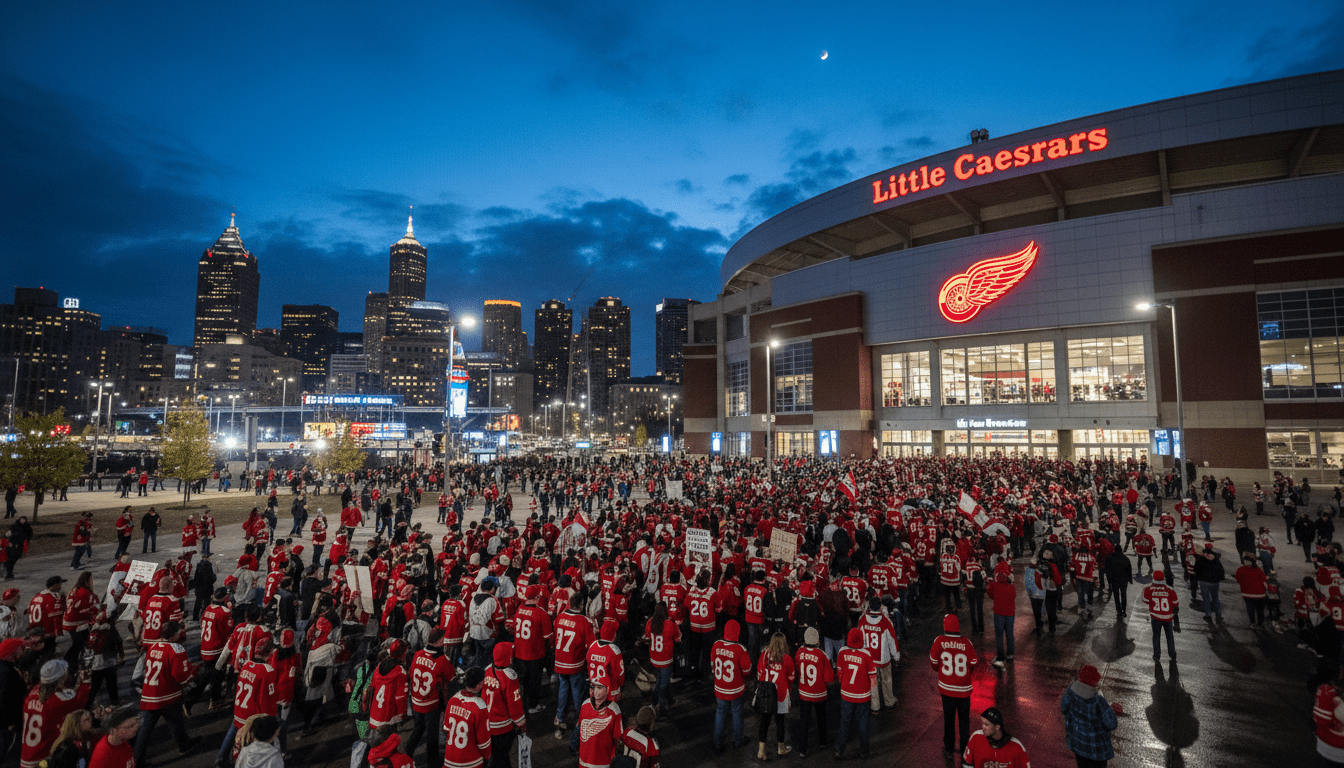
The rise in detroit red wings popularity is more than just a win for the team’s front office; it is a vital economic engine for the city. Residents in neighborhoods such as the Cass Corridor and the District Detroit have seen a tangible shift in local commerce on game nights. According to the City of Detroit’s economic development reports, home games at Little Caesars Arena (LCA) generate millions of dollars in secondary spending at local restaurants, bars, and parking facilities.
“The atmosphere is night and day compared to three years ago,” said one local business owner near Woodward Avenue. “When the Red Wings are winning, people stay downtown longer. They don’t just go to the game; they eat here, they shop here, and they contribute to the vibrancy of the neighborhood.” This increased foot traffic is a cornerstone of the city’s strategy to maintain a 24-hour economy in the downtown core. Furthermore, the success of the team has bolstered community pride, with youth hockey participation across Michigan seeing a 15% uptick, according to local athletic associations.
Background and Market Data
Analysis of the detroit sports market reveals that Detroit fans are among the most loyal in the nation, but also the most performance-sensitive. A study conducted by market research firms often cites Detroit as a ‘traditionalist’ sports city where historical success creates high expectations. According to data published by Crain’s Detroit Business, the Red Wings’ attendance numbers have returned to near-capacity levels, with the arena frequently hitting 100% occupancy for weekend matchups.
The demographic shift is also notable. While older generations of fans remember the ‘Dead Wings’ era of the 1970s and the subsequent glory years of the 1990s and 2000s, a younger generation is now driving detroit sports interest trends. Digital engagement via social media and streaming platforms shows that the Red Wings have one of the highest engagement rates among NHL teams in the United States, particularly within the 18-34 age demographic. This shift ensures the long-term viability of the franchise in a crowded media market.
Comparatively, while the Detroit Lions have captured the national spotlight, the Red Wings occupy a unique space in the local psyche. The team’s history as an ‘Original Six’ franchise provides a level of brand stability that anchors the city’s sports identity. Recent ongoing developments in the District Detroit have focused on creating a sports-centric entertainment hub that thrives on this specific brand of fan loyalty.
The Role of the District Detroit
The physical infrastructure surrounding the Red Wings has played a massive role in their popularity. Little Caesars Arena was designed not just as a stadium, but as an anchor for the 50-block District Detroit project. As the team’s performance improved, the vision of a walkable, interconnected sports district began to materialize. This urban planning success is often highlighted by city officials as a model for how sports franchises can stimulate municipal growth.
Public transport use, including the QLine and local bus routes, has also seen increased usage on game nights. This suggests that the detroit red wings popularity is encouraging more residents from the outer neighborhoods to commute into the city center, further integrating the team into the fabric of the broader metropolitan area. It aligns with previous reports on Detroit’s recent hosting of the NFL Draft, which proved that the city’s infrastructure is now capable of handling massive surges in sports-related tourism.
What Happens Next
Looking ahead, the outlook for detroit hockey fans is the brightest it has been in a decade. The organization’s commitment to a sustainable build-up, rather than quick-fix trades, has earned the trust of a historically savvy fan base. Market analysts predict that if the team secures a playoff berth in the upcoming season, the economic impact could rival the record-breaking numbers seen during the Lions’ recent playoff run.
As the detroit sports news cycle continues to evolve, the Red Wings are positioned to be the city’s most consistent cultural export. With the 2024-2025 season approaching, the focus will remain on whether the team can translate this surge in popularity into a deep postseason run. For the city of Detroit, the ‘Hockeytown’ revival is more than just a sports story; it is a narrative of resilience and revitalization that mirrors the city’s own ongoing recovery. Whether through jersey sales, television viewership, or game-day attendance, the Red Wings are once again the heartbeat of Detroit’s winter season.