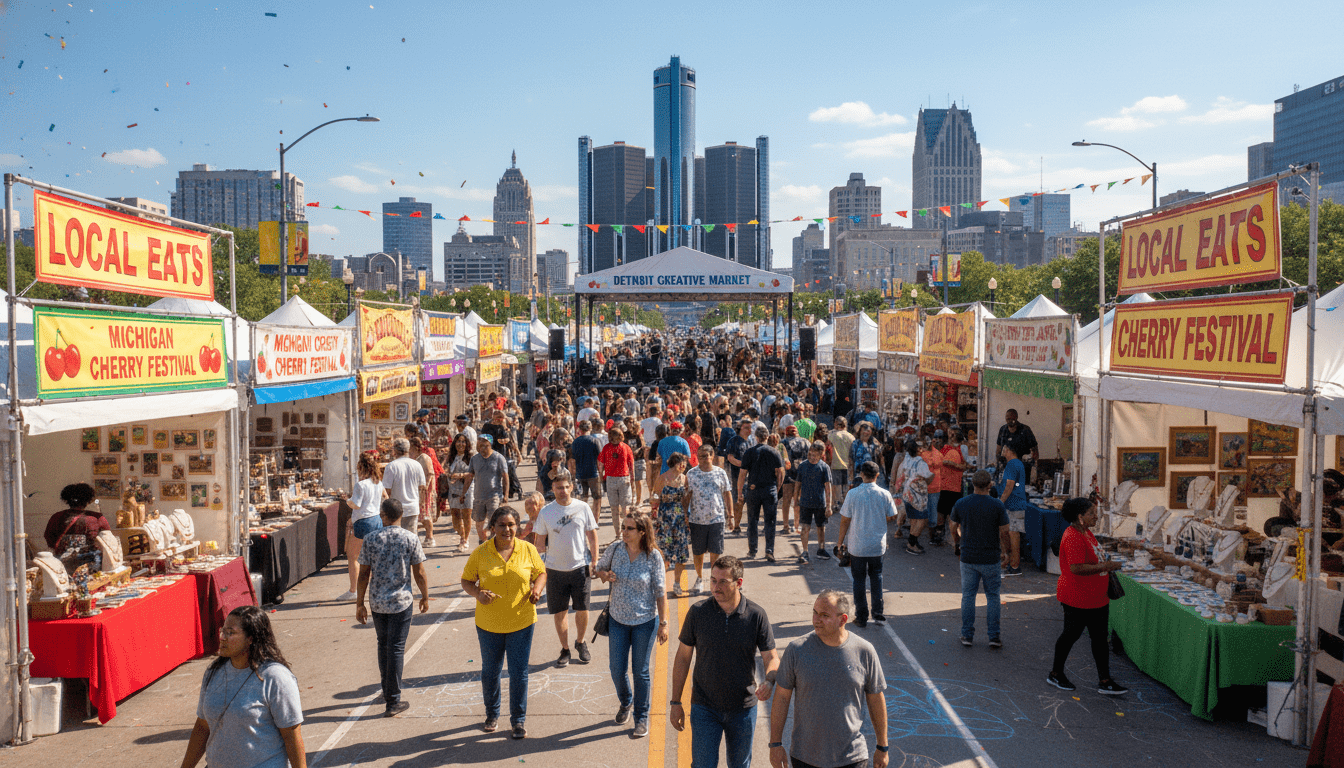
Detroit’s summer calendar is filling up quickly as organizers for the annual Neighborhood Arts and Food Festival announce projections for record-breaking attendance this year. Following a period of steady growth in local events, city officials and community leaders are preparing for a surge in visitors that could redefine the scale of community gathering in Michigan’s largest city. The festival, which celebrates the intersection of Michigan culture and local artistry, is expected to attract over 50,000 participants across its three-day run, a significant increase from previous years.
Rising Interest in the Detroit Festival Scene
The resurgence of the Detroit festival circuit is no accident. According to the City of Detroit’s Department of Neighborhoods, interest in outdoor public events has spiked by nearly 40% over the last two fiscal years. This trend reflects a broader desire for residents to reconnect with their local surroundings and support the small businesses that form the backbone of the city’s unique identity. “We are seeing an unprecedented level of permit applications for block parties, street fairs, and large-scale neighborhood celebrations,” a city spokesperson noted during a recent press briefing. For many, a Detroit festival serves as more than just entertainment; it is a vital platform for social cohesion and economic revitalization.
As part of this year’s preparation, organizers have expanded the festival footprint to include three additional blocks, allowing for more local vendors and interactive installations. This expansion is supported by recent neighborhood development initiatives aimed at making public spaces more accessible and pedestrian-friendly. By creating a larger venue, the city hopes to manage the expected crowds while ensuring that the intimate, community-focused feel of the event remains intact.
Economic Impact on Local Business
The economic ramifications of such a massive community gathering are substantial. Data from the Michigan Economic Development Corporation (MEDC) suggests that large-scale local events can generate millions of dollars in direct spending for the surrounding area. From hospitality and dining to retail and transportation, the influx of visitors provides a critical seasonal boost to Detroit-based entrepreneurs. Local business owners have already expressed optimism, with many reporting that they are hiring temporary staff to handle the anticipated demand during the festival weekend.
Beyond the immediate revenue, these events serve as a marketing tool for the city’s diverse neighborhoods. Visitors who attend a Detroit festival often return to those same areas throughout the year to patronize the shops and restaurants they discovered during the celebration. This “discovery effect” is a key component of the city’s long-term strategy to promote sustainable local business trends and encourage investment in residential districts outside of the downtown core.
Impact on Detroit Residents
While the economic benefits are clear, the impact on local people living within the festival boundaries is a primary concern for planners. To address potential disruptions, the city has implemented a comprehensive neighborhood outreach program. This includes dedicated parking zones for residents, increased trash collection cycles, and a localized noise ordinance that balances the festivities with the needs of the community. For many residents, the festival is a source of pride. “Seeing people from all over the state come to our streets to see what we’ve built is rewarding,” said one longtime resident of the Woodbridge district, where many such events take place.
Furthermore, the festival provides a venue for local youth programs and non-profit organizations to showcase their work. By integrating community services into the event layout, the Detroit festival ensures that the benefits of the gathering extend beyond mere entertainment. Residents have access to health screenings, educational resources, and job fair information, making the event a holistic city celebration that addresses both the joys and the needs of the populace.
Background and Statistical Trends
The growth of the Detroit festival scene aligns with national trends reported by organizations such as the National Endowment for the Arts, which notes that community-based cultural events are among the fastest-growing segments of the tourism industry. In Michigan, the emphasis on Michigan culture and heritage has become a cornerstone of tourism branding. According to the City of Detroit official website, public safety and infrastructure investments have been prioritized to accommodate this growth, including the deployment of additional transit options and the installation of high-capacity Wi-Fi zones in public parks.
Historical data from the U.S. Census Bureau regarding urban migration and local spending patterns also supports the idea that vibrant neighborhood life is a major draw for new residents. As Detroit continues to attract a younger, more diverse demographic, the demand for high-quality, accessible local events is expected to remain high. The city’s ability to successfully host record crowds this year will serve as a litmus test for its future capacity as a premier destination for cultural tourism.
What Happens Next
Looking ahead, city planners are already considering how to scale these events for the next decade. If this year’s Detroit festival meets its attendance goals without significant logistical hurdles, it could pave the way for a permanent festival district or a year-round calendar of neighborhood-led celebrations. The focus will remain on maintaining a balance between growth and authenticity, ensuring that as the crowds get larger, the connection to Detroit’s unique history and people remains at the forefront. Organizers encourage all attendees to utilize public transportation and to respect the local environment, ensuring that the city celebration remains a positive experience for everyone involved.