Recent analytical reports indicate a significant surge in fan engagement surrounding the Detroit Red Wings, as the team continues to dominate regional digital search trends and social media metrics. According to weekly data aggregated from major search engines and sports analytics platforms, interest in the franchise has reached a seasonal high, reflecting a renewed optimism within the Detroit sports market.
As the NHL season progresses, the intersection of team performance and digital visibility has created a unique case study in local sports interest. Analysts suggest that the combination of strategic roster moves and a competitive standing in the Atlantic Division has catalyzed a spike in consumer activity, ranging from ticket inquiries to merchandise searches.
Analyzing the Digital Surge in Detroit Hockey
Data from Google Trends and regional social media monitoring tools shows that searches for detroit red wings news have increased by approximately 28% over the last seven days compared to the previous month. This spike is not merely localized to the city limits but extends across the metropolitan area, including heavy search concentrations in Oakland and Macomb counties.
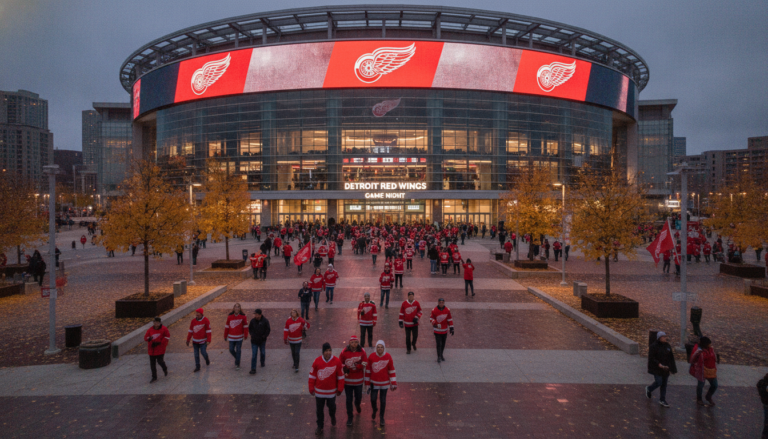
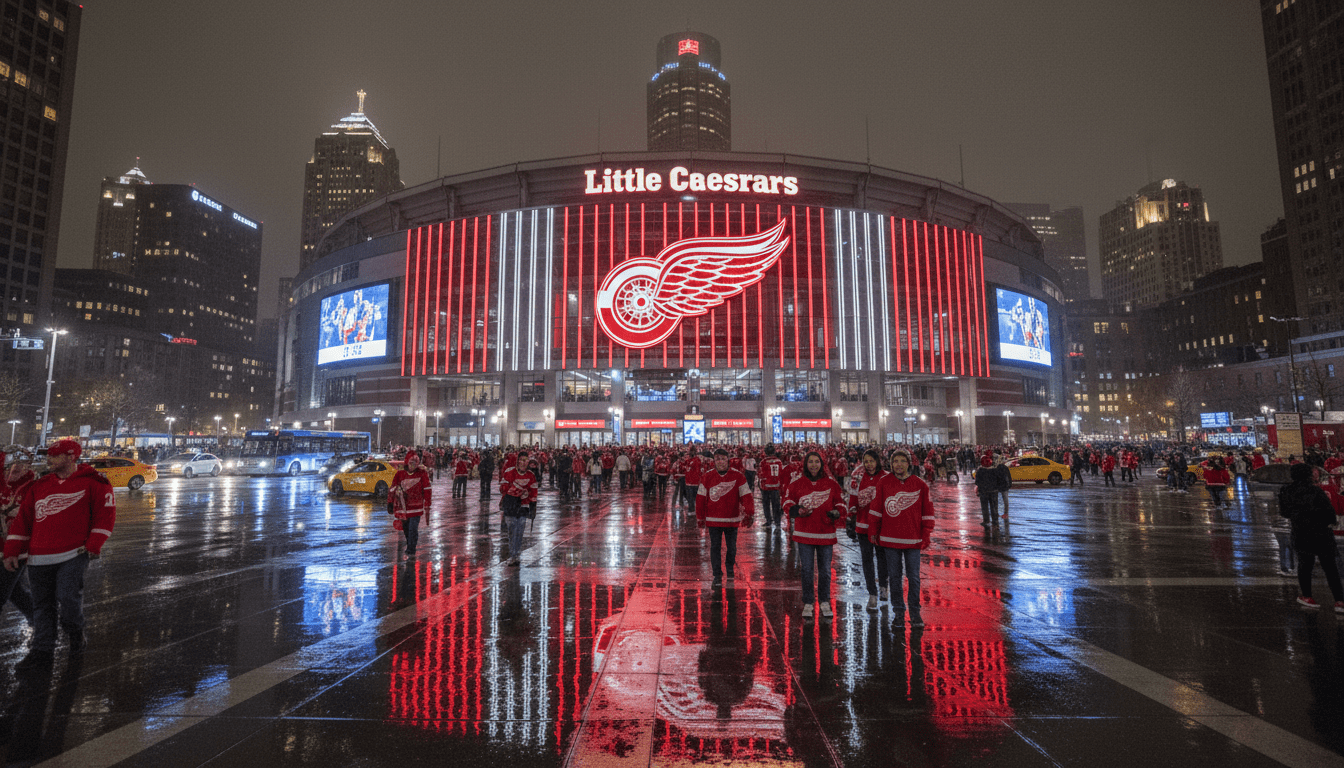
According to the City of Detroit’s recent reports on downtown activity, the high level of digital interest often correlates with increased foot traffic in the District Detroit area on game nights. Local analysts point to the “Yzerplan”—the long-term rebuilding strategy led by General Manager Steve Yzerman—as a primary driver for this sustained curiosity. Fans are no longer just passive observers; they are actively tracking prospects, salary cap implications, and analytical deep-dives, which has shifted the nature of Detroit sports analytics.
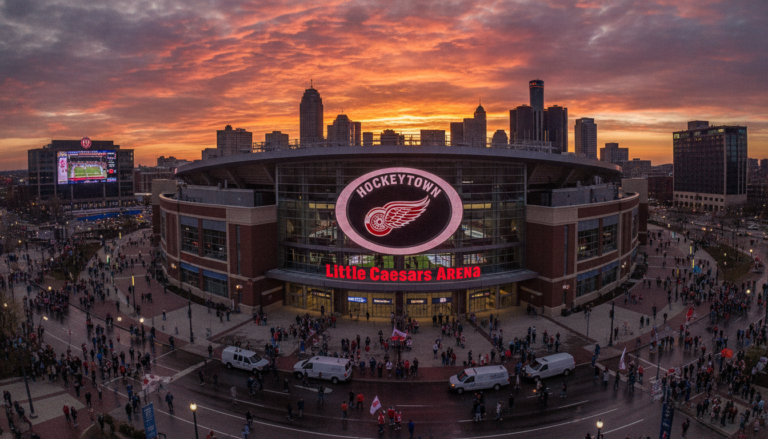
Reports from the NHL’s internal marketing data suggest that Detroit remains one of the league’s most robust markets. The team’s ability to maintain high television ratings on regional networks even during rebuilding years underscores the deep-rooted cultural significance of hockey in the region. This trend is further evidenced by the consistent sell-outs at Little Caesars Arena, where attendance figures have remained near 100% capacity throughout the current home stand.
Impact on Detroit Residents and Local Business
The heightened interest in the Red Wings provides more than just entertainment; it serves as a vital economic engine for the city. When the team captures the public’s attention, the ripple effects are felt throughout the local economy. Small business owners in the Midtown and Downtown corridors report a noticeable uptick in revenue during periods of high team visibility.
For many residents, the Red Wings’ success is intertwined with the city’s broader identity. The “Hockeytown” moniker is not just a marketing slogan but a reflection of the community’s social fabric. As interest grows, so does the demand for community-based hockey programs and youth leagues, fostering a new generation of fans and athletes. This cultural momentum often aligns with larger trends in Detroit economic development, as sports-anchored districts become hubs for year-round activity.
Furthermore, the increased digital footprint of the team has led to a rise in “sports tourism.” Residents from across Michigan and neighboring states are traveling to the city, contributing to hotel occupancy rates and dining expenditures. Local infrastructure improvements, particularly in downtown infrastructure, have made the area more accessible for these visiting fans, further cementing the link between team popularity and urban vitality.
Background and Historical Data
To understand the current surge, one must look at the historical context of Detroit sports interest. For decades, the Red Wings have been a cornerstone of the local market. However, the modern era of sports consumption relies heavily on data-driven engagement. According to official NHL statistics, the Red Wings often rank in the top quartile for digital engagement among U.S.-based teams.
The current data shows a shift in demographics as well. While the traditional fan base remains loyal, there is a burgeoning interest among younger residents who engage with the team through short-form video content and advanced statistical platforms. This shift is a key component of the evolving Detroit sports market, where traditional fandom meets modern digital consumption habits.
Academic research into sports sociology suggests that teams with a rich history, like the Original Six Red Wings, possess a “legacy equity” that allows them to rebound in popularity more quickly than newer franchises. This historical weight, combined with the current roster’s competitive edge, creates a “perfect storm” for high engagement metrics.
What Happens Next for the Detroit Market
Looking forward, the trajectory of fan interest will likely depend on the team’s ability to maintain its position in the playoff race. The “stretch run” of the NHL season typically sees the highest peaks in local media consumption. If the Red Wings continue to perform well, analysts predict that the digital search volume for the team could break five-year records by late spring.
Moreover, the ongoing development of the District Detroit area is expected to provide more permanent venues for fan interaction, such as outdoor viewing parties and interactive fan zones. These physical spaces will serve to reinforce the digital trends observed in recent weeks. As the city continues its revitalization, the Red Wings remain a central pillar of Detroit’s public life, driving both economic value and community pride. For now, the data is clear: Detroit is once again firmly focused on its hockey heritage, and the momentum shows no signs of slowing down.