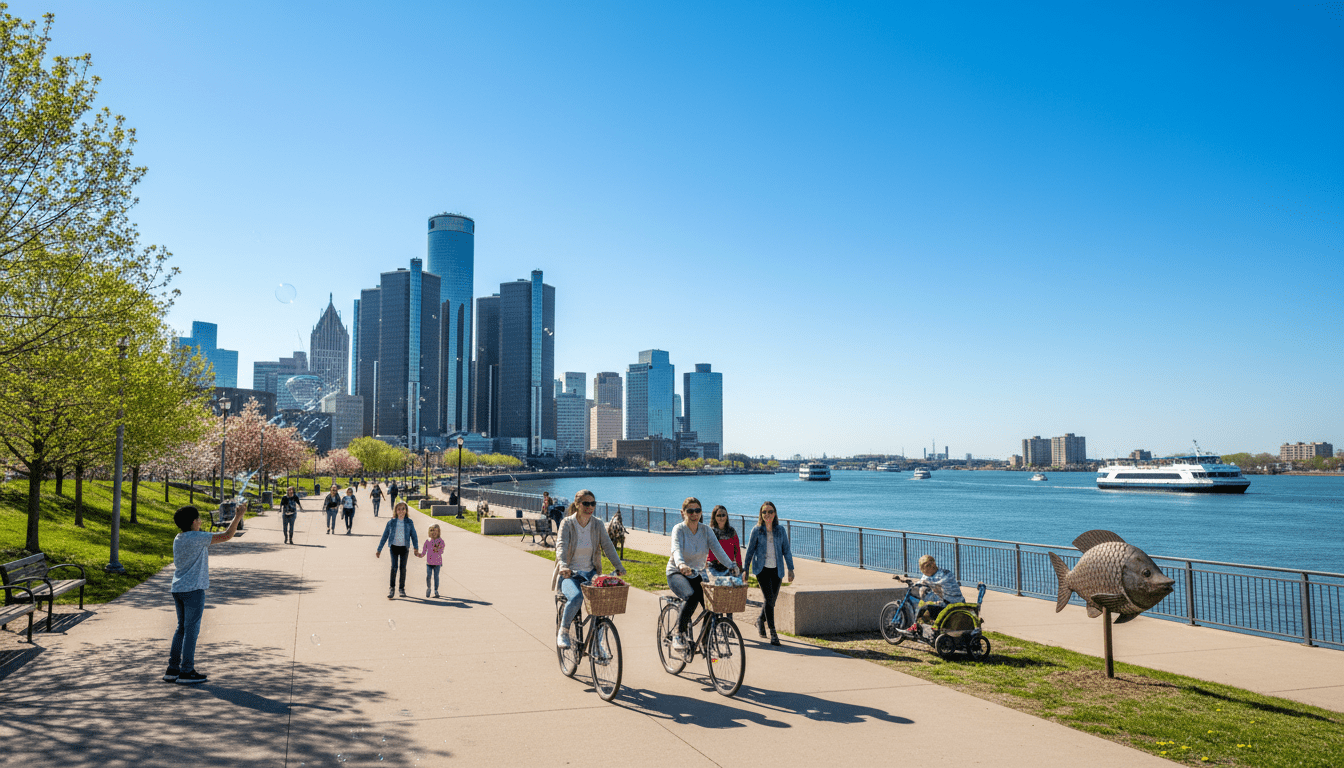
As the final weeks of March approach, the City of Detroit is bracing for a significant surge in seasonal visitors, with local officials and hospitality experts projecting record-breaking engagement for Detroit spring break activities this year. While traditionally viewed as a secondary market for spring travel, Detroit’s evolving cultural landscape and the expansion of family-oriented infrastructure have repositioned the city as a regional hub for the annual academic hiatus.
According to data released by Visit Detroit, the city’s primary tourism and convention bureau, hotel occupancy rates in the downtown core are expected to see a 12% increase compared to the same period in 2023. This growth is attributed to a strategic shift in how the city markets its cultural corridor and the increased accessibility of the riverfront. For many residents and visitors, the diversity of Detroit spring break activities has become a viable alternative to traditional coastal destinations, driven by a mixture of educational programming and a burgeoning local food scene.
The Rise of the Detroit Urban Staycation
The concept of the “urban staycation” has taken firm root in Southeast Michigan. Data from the U.S. Travel Association suggests that more families are opting for short-distance travel due to fluctuating airfares and a desire for more immersive cultural experiences. In Detroit, this trend is manifesting through high demand for memberships and daily passes at major institutions. The Michigan Science Center and the Detroit Institute of Arts (DIA) have both reported significant upticks in advance ticket sales for the spring break window.
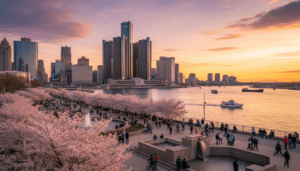
A spokesperson for the Detroit Parks and Recreation Department noted that the city has expanded its “Spring into Detroit” initiative, which provides localized programming in neighborhood parks. “We are seeing a shift where families aren’t just looking for a single event, but a week-long itinerary that blends the educational with the recreational,” the department stated in a recent briefing. This includes the utilization of the Dequindre Cut and the Detroit Riverwalk, which was recently named the best riverwalk in the country by USA Today for the third consecutive year.
Impact on Detroit Residents and Small Businesses
The influx of visitors seeking Detroit spring break activities provides a substantial economic cushion for small businesses during what was once a quiet shoulder season. Local retailers along the Woodward Corridor and in the historic Corktown neighborhood have reported an increase in foot traffic that mirrors the peak summer months. For Detroit residents, this economic activity translates to temporary job creation and increased tax revenue that supports city services.
However, the surge also brings logistical considerations. The Detroit Department of Transportation (DDOT) and the People Mover have adjusted schedules to accommodate the higher volume of passengers moving between the Detroit Public Library, the Charles H. Wright Museum of African American History, and the Entertainment District. Business owners in the Eastern Market district have also noted that the midweek demand for fresh produce and prepared foods has stabilized as families take advantage of school closures to explore the city’s culinary roots.
Background & Data: The Diversification of Detroit Tourism
This trend is not an overnight phenomenon but the result of nearly a decade of sustained investment in the city’s hospitality infrastructure. According to a report by the City of Detroit, the rehabilitation of historic properties into boutique hotels has added over 1,500 rooms to the downtown inventory since 2018. This capacity allows the city to host larger crowds without the steep price hikes seen in other major metros.
Internal reporting from DetroitCityNews.com previously highlighted how the expansion of greenways has linked disparate neighborhoods, making it easier for families to navigate the city without a vehicle. This connectivity is a major draw for tourists looking for sustainable Detroit vacation ideas. Furthermore, the collaboration between the Detroit Public Schools Community District (DPSCD) and local museums ensures that even during break periods, the city’s youth remain engaged with educational resources.
Future Outlook and Planning
Looking ahead, the city plans to continue leveraging its unique architectural and industrial heritage to broaden its appeal. Visit Detroit has indicated that future marketing campaigns will focus on “shoulder season” events to ensure that the economic benefits of tourism are felt year-round. For those planning to attend Detroit spring break activities, officials recommend using the city’s digital transit apps to monitor parking availability and event capacity in real-time.
As Detroit continues its trajectory of revitalization, the success of the spring break season serves as a litmus test for the city’s ability to compete on a national stage. By focusing on high-quality, accessible family activities, Detroit is successfully rebranding itself from a historic industrial powerhouse into a modern, vibrant destination for all generations.
For more updates on metropolitan growth and community events, visit our section on Detroit business updates.