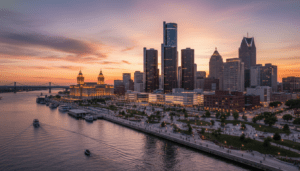
As the skyline of the Motor City undergoes its most significant transformation in decades, city officials and hospitality leaders are looking toward a pivotal milestone: 2026. After the unprecedented success of hosting the 2024 NFL Draft, which drew over 700,000 visitors to the downtown core, the city is now implementing a long-term strategy to solidify its status as a premier global destination. The upcoming visit detroit 2026 cycle is expected to coincide with the completion of several multi-billion dollar developments that will fundamentally change the visitor experience.
The momentum for Detroit’s tourism sector is not merely anecdotal. According to the latest data from Visit Detroit, the city has seen a steady 15% year-over-year increase in hotel occupancy rates across the central business district. This growth is being met with a surge in construction, including the highly anticipated completion of the Hudson’s site development, which will feature a luxury Edition Hotel and high-end retail spaces, serving as a cornerstone for travel Detroit initiatives.
The Evolution of Downtown Attractions and Infrastructure
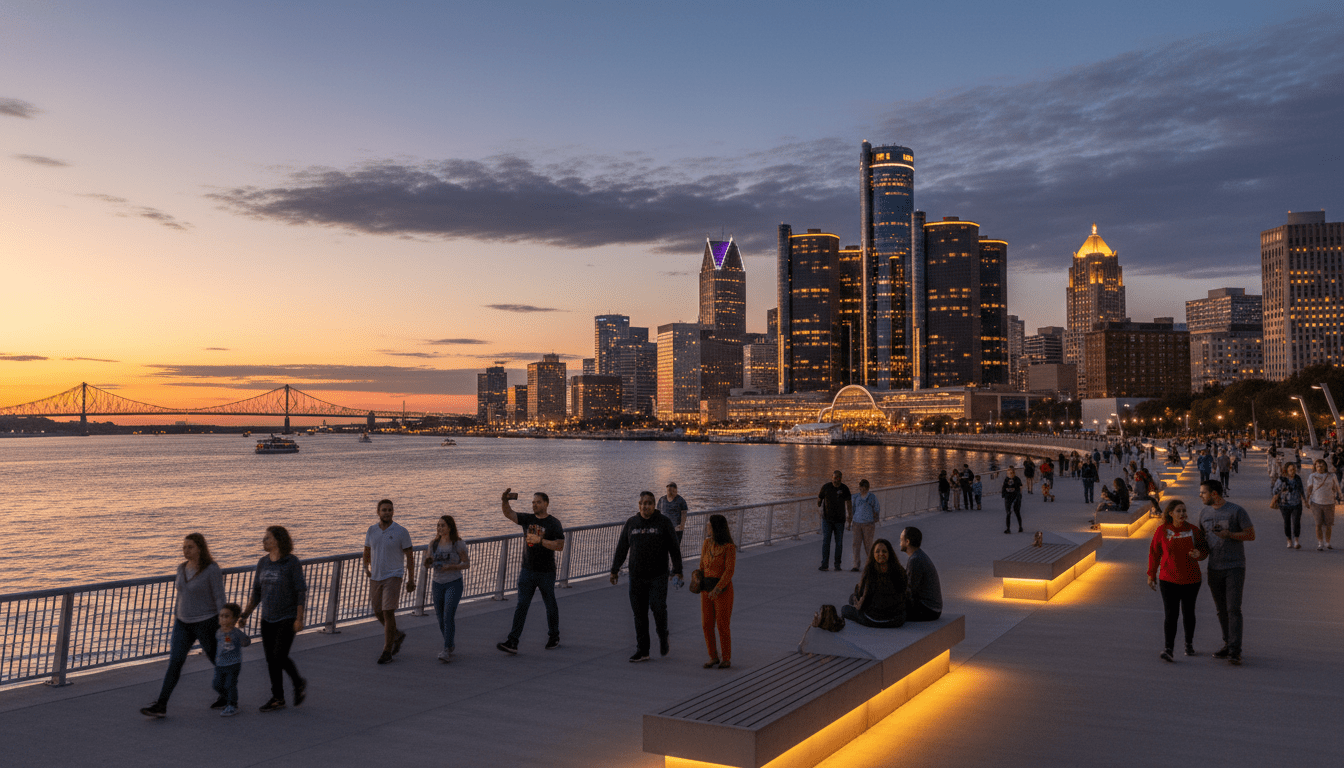
Central to the 2026 outlook is the integration of new infrastructure designed to connect the riverfront with the historic neighborhoods. The Joe Louis Greenway, a 27.5-mile looping trail, is scheduled to complete several major sections by early 2026, providing a non-motorized path for tourists to explore the city’s diverse architecture and green spaces. This project is a key component of the city’s broader Detroit tourism guide, focusing on sustainable and accessible urban exploration.
“We are no longer just a weekend sports destination,” says a representative from the Detroit Economic Growth Corporation. “We are building a 365-day-a-year ecosystem where international travelers can experience everything from the UNESCO City of Design heritage to our burgeoning culinary scene.” The city is also preparing for the 2026 FIFA World Cup, which, while not hosting games in Detroit directly, will see the city act as a major regional hub for travelers crossing the border from Canada via the newly completed Gordie Howe International Bridge.
Impact on Detroit Residents and Local Businesses
The expansion of the tourism sector is projected to have a profound impact on local residents, particularly in terms of employment and neighborhood revitalization. The Michigan Bureau of Labor Statistics reports that hospitality and leisure jobs in the Detroit-Warren-Dearborn metro area have surpassed pre-2020 levels, with over 180,000 people currently employed in the sector. For residents, this growth translates to more than just service jobs; it represents an influx of capital into neighborhood-level improvements.
City initiatives like the ‘Strategic Neighborhood Fund’ are working in tandem with tourism developers to ensure that the wealth generated downtown trickles into the 30 recognized neighborhoods. For instance, the revitalization of the West McNichols corridor is being modeled after the success of the Livernois Avenue of Fashion, creating new nodes of interest for visitors looking for authentic things to do in Detroit beyond the downtown loop. Local residents are also seeing an increase in property values, though city officials remain focused on maintaining affordable housing amidst the development boom.
Background & Data: The Economic Engine
The financial scale of the visit detroit 2026 preparation is staggering. Data from the U.S. Census Bureau and local economic trackers suggest that the private-public investment in the city’s core will exceed $4 billion by the end of 2025. Key projects driving this data include:
- The $1.4 billion Hudson’s Detroit project, which will be the second-tallest building in the state.
- The Michigan Central Innovation District, which has already transformed the Corktown neighborhood into a tech and tourism magnet.
- The $300 million expansion of the Huntington Place convention center to accommodate larger international summits.
Furthermore, a report from the University of Michigan’s economic research department suggests that for every dollar spent by a visitor in Detroit, approximately $0.65 stays within the local economy through wages and local procurement. This high retention rate is a primary reason why the city is prioritizing infrastructure updates to support larger crowds.
Preparing for the Future: What Happens Next
As the city moves closer to 2026, the focus is shifting from construction to operational readiness. The Detroit Department of Transportation (DDOT) and the People Mover are currently undergoing systems upgrades to ensure seamless connectivity between the major hotel clusters and the riverfront. Additionally, the city is working with the Michigan Economic Development Corporation (MEDC) to launch a worldwide marketing campaign highlighting Detroit’s cultural landmarks, including the Motown Museum’s massive expansion.
For those planning to visit, the 2026 calendar is already filling with major events, from international automotive summits to high-profile music festivals. The official City of Detroit website provides ongoing updates for residents and visitors regarding road closures and new park openings. The goal is clear: by the time 2026 arrives, Detroit will not just be a city in transition, but a global model for urban resurgence and tourism excellence.
Travel Detroit: Safety and Accessibility
In addition to physical infrastructure, the city is investing heavily in the ‘Downtown Detroit Partnership’ ambassador program. These ambassadors provide directions, safety escorts, and information to visitors, ensuring that the travel Detroit experience is welcoming for first-time guests. Enhanced lighting, real-time transit tracking, and expanded pedestrian zones are all part of the blueprint to make Detroit one of the most walkable cities in the Midwest by the middle of the decade.