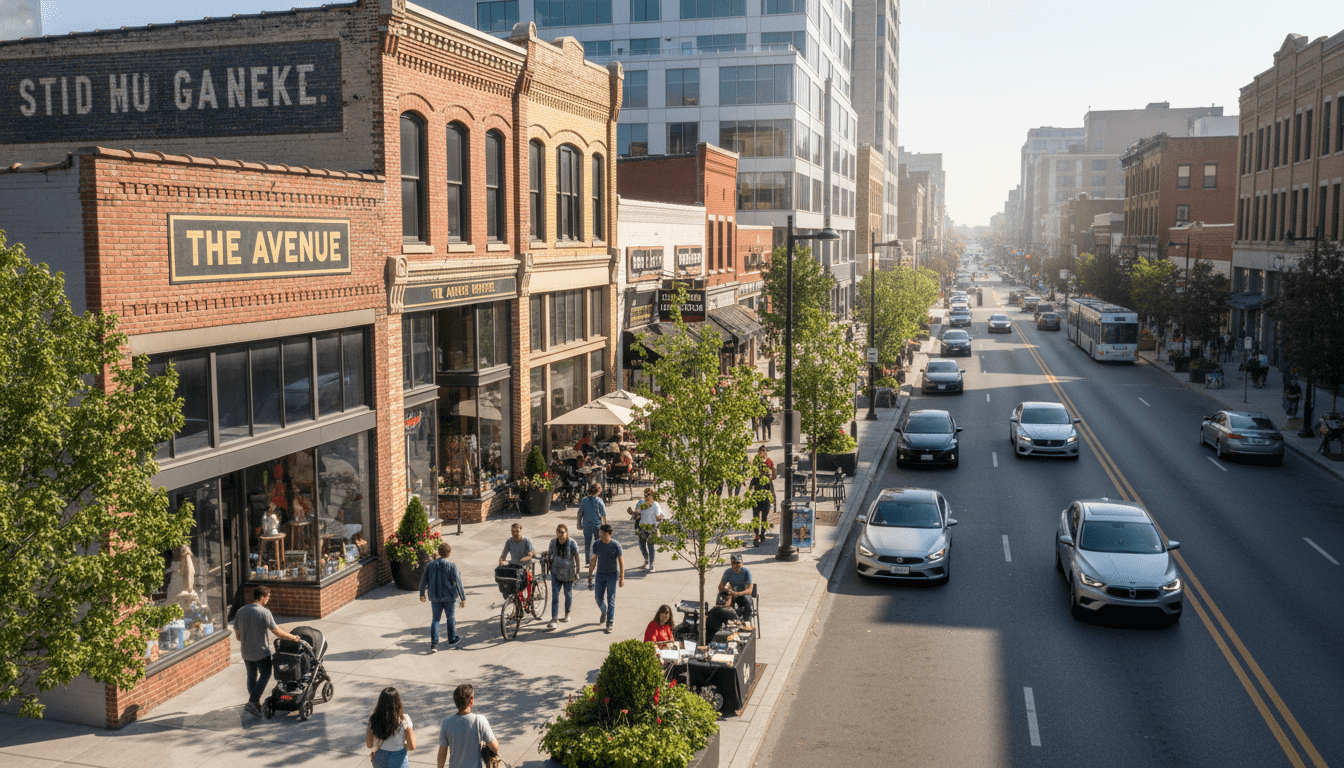
Detroit’s retail landscape is undergoing a systemic transformation as historic corridors and newly developed commercial hubs redefine the city’s economic profile. Once characterized by a heavy reliance on suburban malls, the city is witnessing a resurgence of localized, walkable commerce. According to the Detroit Economic Growth Corporation (DEGC), the revitalization of Detroit shopping districts has been a cornerstone of the city’s strategy to foster neighborhood stabilization and small business growth. This transition is not merely about aesthetic improvements; it represents a significant shift in how capital flows through the city’s various neighborhoods.
The Core Commercial Engine: Downtown and Midtown
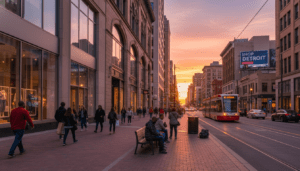
At the center of this retail evolution is the Downtown Central Business District. Anchored by the Woodward Avenue corridor, this area has attracted national retailers that were absent from the city for decades. Development firms have worked alongside city officials to curate a mix of luxury brands and flagship stores. However, the success of Downtown is closely mirrored by Midtown. Formerly known as the Cass Corridor, Midtown has transformed into a hub for boutique shopping and cultural retail. Data from the University of Michigan’s economic forecasts suggests that the proximity of these two districts creates a ‘synergy zone’ where foot traffic from the Detroit Medical Center and Wayne State University supports a high density of independent businesses.
The Historic Resilience of Livernois and Eastern Market
Perhaps no area represents the legacy of Detroit commerce better than the Livernois Avenue of Fashion. Located on the city’s northwest side, this district historically served as the premier shopping destination for Detroit’s Black middle class. Today, following a major streetscape redesign that expanded sidewalks and improved lighting, Livernois is experiencing a second act. According to the City of Detroit’s Planning and Development Department, the investment in ‘complete streets’ infrastructure has led to a direct increase in commercial occupancy rates along the corridor.
Similarly, Eastern Market remains a vital pillar of the city’s food and retail economy. As the largest historic public market district in the United States, it supports hundreds of local vendors. Beyond the Saturday markets, the surrounding brick-and-mortar shops offer everything from specialized kitchenware to local apparel. The district serves as a primary example of how historic preservation can coexist with modern retail demands, providing a template for other Detroit shopping districts looking to maintain their cultural identity while scaling operations.
Impact on Detroit Residents and Local Accessibility
The expansion of these shopping districts has profound implications for local residents. For years, Detroiters faced a ‘retail leakage’ problem, where an estimated $2.6 billion in spending power left the city annually because residents had to travel to the suburbs for basic goods and services. The growth of districts like the Bagley and Vernor corridors in Southwest Detroit is narrowing this gap. In Southwest Detroit, the retail environment is heavily influenced by the city’s immigrant populations, offering a dense array of grocers, bakeries, and specialty shops that serve as both economic drivers and community anchors.
For residents in neighborhoods like West Village and Jefferson-Chalmers, the arrival of new storefronts means increased walkability and reduced transit costs. Local business owners in the West Village area have noted that the influx of retail has encouraged more residential density, as people are increasingly looking to live in ‘15-minute neighborhoods’ where daily needs can be met within a short walk. This urban planning model is a key component of the city’s ‘Strategic Neighborhood Fund,’ which directs investment to areas outside of the downtown core to ensure equitable development.
Emerging Corridors and Economic Data
Beyond the well-known hubs, several emerging districts are gaining traction. New Center, bolstered by the presence of the Henry Ford Health System and the Fisher Building, is seeing a rise in professional services and lifestyle retail. To the north, Milwaukee Junction is attracting creative entrepreneurs who are repurposing industrial warehouses into galleries and maker-spaces. In the northwest, the Grand River corridor and Old Redford are benefiting from targeted grants aimed at restoring historic theater districts and adjacent storefronts.
The economic data supports this expansion. The U.S. Census Bureau’s County Business Patterns show a steady increase in the number of small retail establishments within Detroit city limits over the last five years. Programs like Motor City Match have played a critical role, providing millions of dollars in grants to help entrepreneurs open physical locations. As of 2023, the program has helped launch over 150 businesses, many of which are located in the 12 districts highlighted in this report. Internal reporting from DetroitCityNews.com/neighborhood-development suggests that these incentives are particularly effective when paired with municipal infrastructure projects.
Challenges and the Future Outlook
Despite the growth, challenges remain. High commercial insurance rates and the rising cost of construction materials pose hurdles for new entrepreneurs. Furthermore, inflation has impacted consumer spending power, forcing some retailers in districts like Corktown—which is currently seeing massive investment due to the Michigan Central project—to pivot their business models toward more experiential retail. The Detroit Economic Growth Corporation continues to monitor these trends, offering technical assistance to businesses struggling with the digital transition and supply chain disruptions.
As Detroit moves forward, the health of its shopping districts will remain a primary indicator of the city’s overall economic vitality. The diversification of retail—moving from a few centralized hubs to a citywide network of vibrant corridors—ensures that the benefits of revitalization reach a broader demographic. Future projects, such as the Joe Louis Greenway, are expected to further connect these districts, creating a seamless retail experience for residents and visitors alike. For more on local commerce, visit our small business resources section.