The landscape of banking in Detroit is undergoing a significant transformation as major financial institutions and community credit unions pivot toward neighborhood-centric models. For decades, many Detroiters have relied on alternative financial services, often facing high fees and limited options for building credit. However, new data and recent corporate commitments suggest a shift is underway, aiming to bring more residents into the formal financial fold.
The Drive to Reduce the ‘Unbanked’ Population
According to the University of Michigan’s Detroit Metro Area Communities Study (DMACS), approximately 24% of Detroit households were considered “unbanked” as recently as 2022, meaning they do not have an account at a bank or credit union. This rate is significantly higher than the national average, which the FDIC currently places at roughly 4.5%.
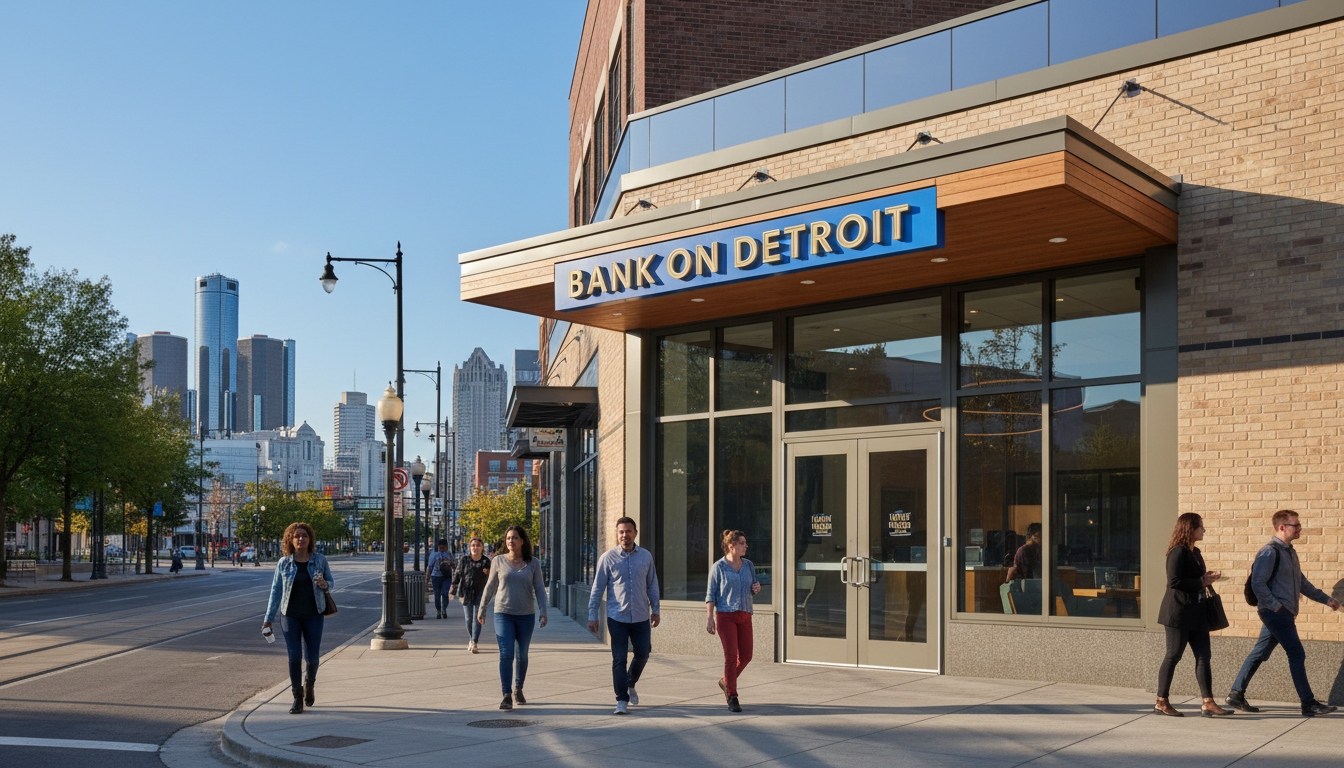
To combat this, the City of Detroit has partnered with several organizations to promote the “Bank On” initiative. This program encourages financial institutions to offer low-cost accounts with no overdraft fees, designed specifically for individuals who have previously been excluded from the banking system. Local officials argue that banking Detroit residents through these standardized accounts is the first step toward long-term wealth building and financial stability.
Expanding Financial Services in Detroit Neighborhoods
The physical presence of banks in Detroit neighborhoods has long been a point of contention. While downtown and Midtown have seen a surge in investment, many outlying neighborhoods have been described as “banking deserts.” In response, institutions like JPMorgan Chase, Huntington Bank, and Fifth Third Bank have announced multi-million dollar initiatives aimed at neighborhood revitalization and small business support.
JPMorgan Chase, for instance, recently expanded its physical footprint with “Community Center” branches designed to host financial health workshops and provide resources for local entrepreneurs. This move aligns with a broader trend of small business growth in Detroit, where access to capital is often the primary barrier to entry for minority-owned firms. By placing loan officers directly in these communities, banks hope to streamline the application process for commercial loans and lines of credit.
The Role of CDFIs and Credit Unions
Beyond the national giants, Community Development Financial Institutions (CDFIs) and local credit unions are playing an outsized role in the city’s financial recovery. Organizations such as Invest Detroit and the Michigan State University Federal Credit Union (MSUFCU) have focused on providing micro-loans and specialized credit-building products that traditional banks might overlook.
Data from the Federal Deposit Insurance Corporation (FDIC) suggests that these smaller, localized entities are often better equipped to handle the unique credit histories of urban residents. By using alternative data—such as utility payments and rent history—to assess creditworthiness, these institutions are helping Detroiters qualify for mortgages and auto loans that were previously out of reach.
Impact on Detroit Residents
For the average Detroiter, these shifts in the financial sector translate to tangible improvements in daily life. Access to traditional banking means avoiding the predatory fees associated with check-cashing storefronts, which can strip away a significant percentage of a household’s monthly income. Furthermore, the expansion of banking Detroit initiatives has made it easier for residents to participate in the city’s burgeoning real estate market.
Programs like the Detroit Home Repair Loan Program, a partnership between the City of Detroit and several local banks, provide 0% interest loans to homeowners. This allows residents to maintain their properties, increase their home equity, and contribute to the stabilization of their neighborhoods. Without the cooperation of local financial services, such programs would lack the necessary capital to scale.
Background & Data: The Credit Gap
A report from the Urban Institute highlighted that credit scores in Detroit have historically lagged behind those in suburban areas, largely due to systemic issues and lack of engagement with traditional lenders. When residents lack a credit score, they are often forced into high-interest subprime loans for necessary purchases like vehicles, which are essential for commuting in a city with limited regional transit.
According to the City of Detroit Mayor’s Office, the “Financial Well-Being Dashboard” shows a steady increase in the median credit score of residents over the last five years. While the gap remains, the trajectory is positive. This improvement is attributed to both the rising economic tide in the region and the targeted efforts of financial literacy programs offered by local non-profits and bank branches.
Future Outlook: Fintech and Digital Inclusion
As the city continues to evolve, the future of banking Detroit will likely be a hybrid of physical presence and digital innovation. While branch locations remain vital for trust-building in neighborhoods, digital tools are bridging the gap for younger generations. The city has recently seen an influx of fintech partnerships aimed at increasing digital literacy, ensuring that as banking moves online, Detroiters are not left behind due to a lack of internet access or technological training.
State and local leaders remain cautiously optimistic. While the influx of capital and the opening of new branches are positive signs, the long-term success of these programs will be measured by the narrowing of the racial wealth gap and the sustained growth of neighborhood-based businesses. For now, the focus remains on ensuring that every Detroiter, regardless of their zip code, has the opportunity to open an account, build credit, and secure their financial future.