Detroit’s rental market is experiencing a significant transformation as demand for urban living drives prices higher in several of the city’s most sought-after districts. Recent data suggests that while the city remains more affordable than many other major U.S. hubs, the localized surges in Detroit rent are creating a new economic reality for long-term residents and newcomers alike.
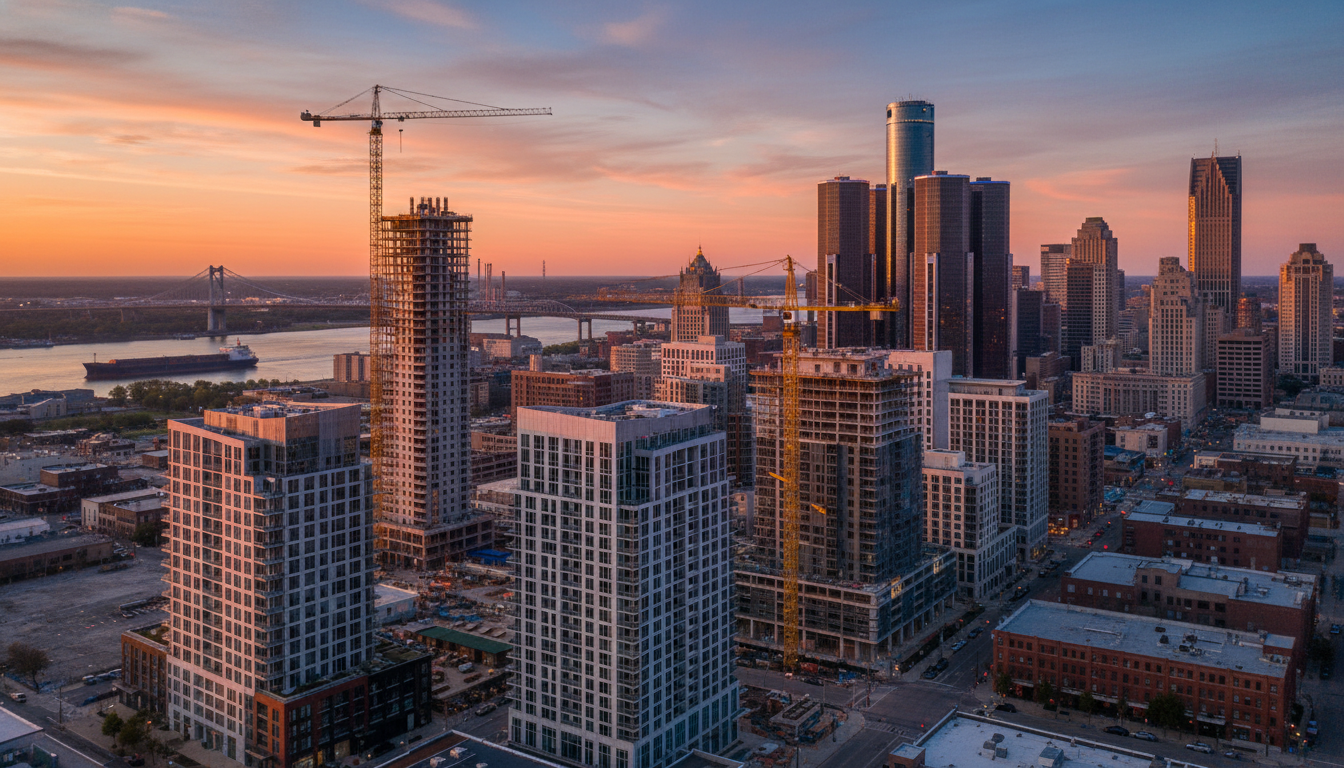
As the city continues its post-industrial resurgence, the concentration of investment in specific corridors has led to a tightening of inventory. Neighborhoods that were once overlooked are now seeing renovated industrial lofts and new construction projects fetch premiums that were nearly unheard of a decade ago. This shift is reflective of a broader trend in the real estate Detroit landscape, where quality of life amenities and proximity to employment hubs are dictating market value.
The State of the Detroit Housing Market
According to the latest residential market reports from the City of Detroit and private analytics firms, rental rates in areas like Corktown, Midtown, and the Central Business District have seen year-over-year increases ranging from 5% to 8%. This growth outpaces the national average in some sectors, signaling a robust appetite for the city’s core living experience.
The current housing market dynamics are fueled by a mix of corporate relocations and a renewed interest in walkable urban environments. With more employees returning to physical offices in the Downtown area, the demand for apartments within a two-mile radius of Campus Martius has spiked. This demand has led to a decrease in vacancy rates, which now hover near historic lows for managed properties in these prime locations.
Neighborhood Spotlights: Where Costs are Climbing
Midtown remains one of the primary drivers of the rental surge. Home to Wayne State University and the Detroit Medical Center, the area attracts a steady stream of students and medical professionals. In this district, Detroit rent for a one-bedroom apartment often exceeds $1,500 per month, depending on the building’s age and amenities. Similar trends are visible in Corktown, especially with the ongoing development of the Michigan Central innovation district, which has acted as a catalyst for property value appreciation.
Further north, neighborhoods like New Center and the North End are beginning to see the ripple effects of downtown growth. Investors are increasingly looking at these secondary markets, purchasing older housing stock and converting them into high-end rentals. This expansion of the high-rent footprint is a key component of the evolving Detroit neighborhood revitalization efforts that have defined the city’s strategy over the last five years.
Impact on Detroit Residents
The rising cost of living is a double-edged sword for the city. While increased property values generate more tax revenue for municipal services, they also place a strain on middle-income and low-income households. Many residents who have lived in these areas for generations are now finding it difficult to keep up with escalating lease renewals.
The impact is particularly felt by the “missing middle”—those who earn too much to qualify for traditional housing subsidies but not enough to comfortably afford the $2,000-plus price tags on newer luxury units. Local community advocates have expressed concern that without a diverse range of price points, the city risks losing the very diversity that has driven its cultural comeback. Balancing real estate Detroit growth with equitable access remains one of the most pressing challenges for local policymakers.
Data and Economic Factors
Data from the U.S. Census Bureau shows that Detroit’s median household income has been rising, but it has not always kept pace with the rate of rental increases in high-demand pockets. The disconnect between wage growth and housing costs is a trend seen nationwide, yet it is acutely felt in a city that is simultaneously trying to rebuild its population base.
Economists point to the rising cost of construction materials and labor as a primary reason for the high price of new apartments. Developers argue that in order for new projects to be financially viable, they must charge higher rents to cover their overhead. This has led to a market where the majority of new supply is positioned at the “luxury” or “A-class” level, leaving a gap in the availability of affordable and workforce housing. You can read more about how these developments affect the local business growth in these specific corridors.
City Initiatives and Affordable Housing
In response to these market pressures, the City of Detroit’s Housing and Revitalization Department has doubled down on its commitment to maintaining affordability. Mayor Mike Duggan’s administration has frequently highlighted the importance of “preserving affordability” alongside new development. This includes mandates for developers receiving city land or tax incentives to set aside at least 20% of units for residents earning a percentage of the Area Median Income (AMI).
Programs such as the Detroit Housing for the Future Fund have been instrumental in financing the renovation of existing affordable housing units that were at risk of falling into disrepair or being converted to market-rate. By securing these units for the long term, the city aims to ensure that even as Detroit rent rises, a portion of the housing stock remains accessible to those with limited financial means.
Future Outlook for the Rental Market
As we look toward the remainder of the year and into 2025, market analysts expect the upward pressure on rents to continue, though perhaps at a more moderated pace. As more units currently under construction come online, the increased supply may help to stabilize prices in the luxury segment. However, for the average renter, the cost of living in the city’s core is likely to remain significantly higher than it was just five years ago.
The long-term health of the Detroit housing market will likely depend on the city’s ability to attract diverse industries and high-paying jobs that can support these higher living costs. While the rise in rent is a sign of a maturing and desirable city, the focus for many will remain on ensuring that Detroit remains a place where people from all economic backgrounds can afford to call home.