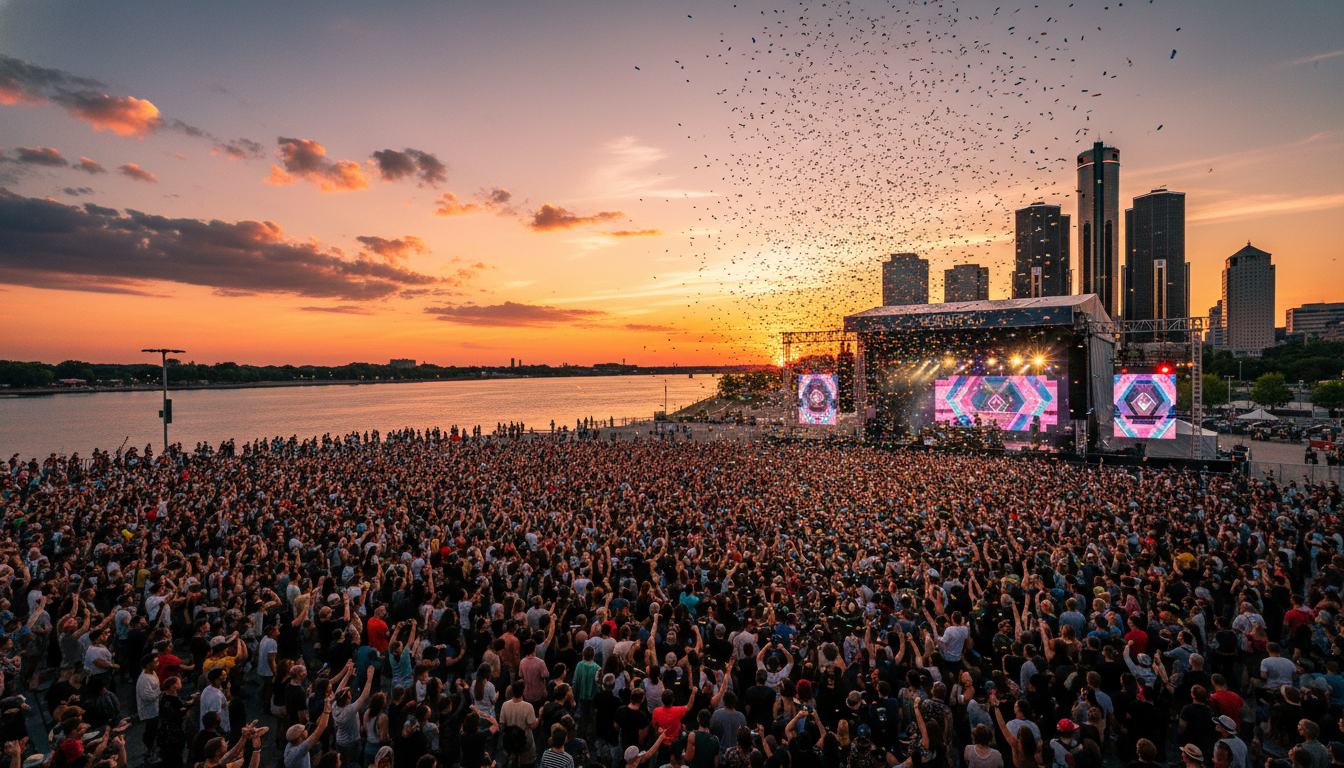
Downtown Detroit experienced a historic surge in pedestrian activity this past weekend as the annual Detroit Music and Arts Festival drew record-breaking crowds to the city’s central business district. Preliminary estimates from city officials and local development partners suggest that attendance surpassed previous years by nearly 20%, marking a significant milestone in the city’s ongoing efforts to establish itself as a premier destination for cultural tourism.
Record Attendance at the Detroit Festival Signals Economic Shift
According to the Downtown Detroit Partnership (DDP), the influx of visitors began early Friday morning and continued through Sunday evening, with Hart Plaza and Campus Martius Park serving as the primary hubs for the festivities. The Detroit festival, which showcases a blend of legacy soul, electronic dance music, and local visual arts, has become a cornerstone of the summer event calendar.
Data provided by the DDP’s seasonal impact report indicates that foot traffic in the Woodward corridor reached levels not seen since the pre-pandemic era. Local hospitality experts suggest that the increase is a direct result of improved regional marketing and a growing national interest in Detroit’s unique cultural heritage. The high density of visitors provided a substantial boost to the local economy, particularly for minority-owned businesses and small business growth within the downtown perimeter.
Impact on Detroit Residents and Local Businesses
For many Detroit residents, the record-breaking crowds represent a double-edged sword. While the vibrancy of the downtown events brings a sense of pride and economic vitality, it also places a temporary strain on city infrastructure. The Detroit Department of Transportation (DDOT) reported a 35% increase in ridership on lines connecting the neighborhoods to the city center, prompting the city to deploy additional buses to handle the volume.
Local restaurant owners reported record-high sales over the three-day period. “We saw a continuous line out the door from noon until closing,” said Marcus Thorne, a manager at a popular bistro near Capitol Park. “This Detroit festival brings in people who might not otherwise visit the downtown area, introducing them to the new developments and dining options available today.”
However, the City of Detroit has acknowledged the challenges associated with such high-volume events. Residents in nearby apartment complexes noted increased noise levels and limited street parking. In response, the Detroit Police Department implemented a comprehensive traffic management plan that prioritized pedestrian safety while maintaining flow for emergency vehicles. According to a statement from the Mayor’s Office, the city is evaluating these logistics to better prepare for even larger crowds in the upcoming season.
Background and Regional Data
The success of recent downtown events is supported by broader trends in Michigan’s tourism sector. According to data from Visit Detroit, the metropolitan area has seen a steady 5.4% year-over-year increase in hotel occupancy rates. The shift toward experience-based travel has benefited Detroit, which offers a lower cost of entry for tourists compared to other major Midwestern hubs like Chicago or Minneapolis.
The cultural significance of the Detroit festival circuit cannot be overstated. By focusing on local culture and homegrown talent, organizers have created a sustainable model that resonates with both residents and out-of-state visitors. The inclusion of community-led workshops and heritage stages ensures that the economic benefits of the festival are shared with the artists who maintain the city’s creative identity.
Infrastructure improvements have also played a role. The expansion of the QLine and the modernization of public spaces have made the downtown area more navigable for large crowds. Continued investments in public transit improvements remain a priority for the city administration to ensure that these festivals remain accessible to all Detroiters, regardless of their zip code.
What Happens Next for Detroit Music Festivals
As the city concludes its review of this weekend’s attendance figures, attention is turning toward the fall schedule. City planners are already looking at ways to expand the footprint of major festivals to reduce congestion in the immediate downtown core and spread the economic impact to adjacent neighborhoods like Corktown and the North End.
The Detroit Office of Arts, Culture, and Entrepreneurship (ACE) has indicated that future events will likely incorporate more interactive technology and expanded vendor spaces. “Our goal is to ensure that every major gathering in the city serves as a catalyst for long-term growth,” the office stated in a recent briefing. With the record-setting success of this most recent music festival, Detroit’s reputation as a world-class host for large-scale cultural events continues to solidify.
Final attendance numbers and a full economic impact report are expected to be released by the end of the quarter. For now, the city remains focused on cleaning up the downtown district and preparing for the next wave of visitors expected for the upcoming autumn festivities.