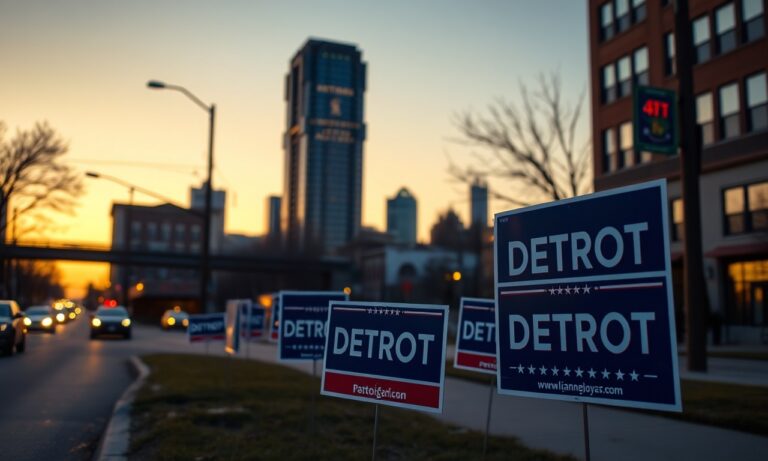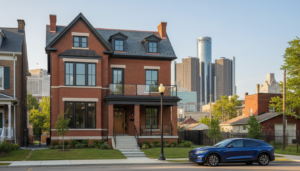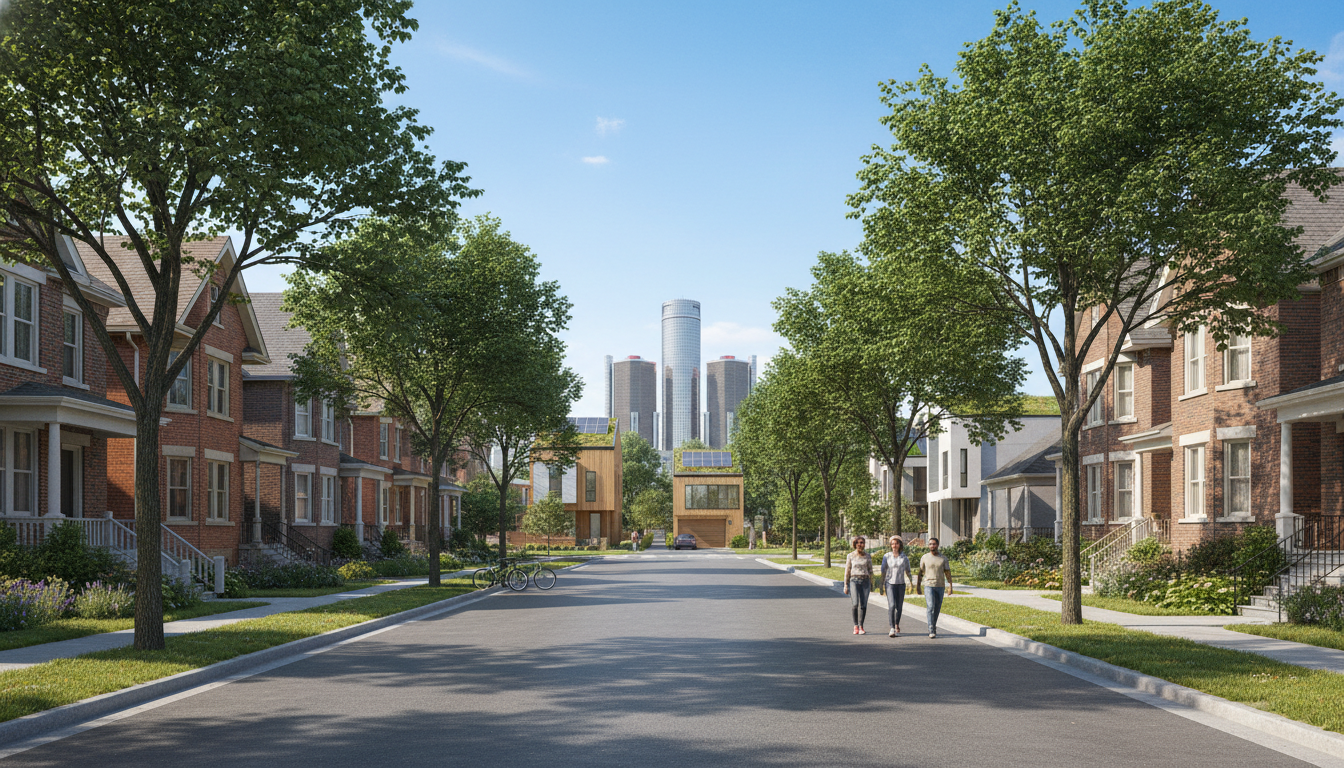
Entering 2026, the Detroit housing market has transitioned from a period of rapid recovery into a phase of calculated, long-term growth. While the headline-grabbing downtown revitalization dominated the conversation for much of the previous decade, the current landscape of Detroit real estate 2026 is defined by the stabilization of “middle neighborhoods” and a significant push toward sustainable homeownership for long-term residents.
According to the City of Detroit’s Planning and Development Department, the city has seen a consistent uptick in building permits for residential rehabilitations outside of the primary 7.2-square-mile downtown core. This shift indicates that property investment in Detroit is no longer confined to the pockets of Corktown or Midtown, but has spread to areas like Jefferson-Chalmers, Bagely, and the North End.
The Shifting Landscape of Detroit Real Estate 2026
Data from the Southeast Michigan Council of Governments (SEMCOG) suggests that Detroit’s population is seeing its most stable period in nearly seventy years. This demographic shift has fundamentally altered the Detroit housing market. Where 2021 and 2022 saw a frenzy of speculative buying, 2026 is characterized by a more mature market where buyers prioritize infrastructure, proximity to newly developed greenways, and neighborhood density.
The median home prices in Detroit have continued a trajectory of moderate growth. While the dramatic triple-digit percentage increases seen in previous years have leveled off, the steady 4% to 6% annual appreciation seen in 2025 and 2026 offers a sense of security for those looking to buy a house in Detroit. Real estate analysts note that this “cooling” is actually a sign of a healthy market, moving away from the volatility of the past and toward a standard metropolitan growth model.
Impact on Detroit Residents
For long-term Detroiters, the 2026 market presents both opportunities and challenges. The rise in property values has significantly bolstered the generational wealth of homeowners who stayed through the city’s leanest years. However, the increase in home prices in Detroit has also led to a more competitive rental market and higher property tax assessments.
To combat displacement, the city has expanded its Strategic Neighborhood Fund, which continues to pair private investment with public improvements. Local community leaders emphasize that the focus has shifted toward “affordability by design.” This includes the development of multi-family units and the renovation of Land Bank properties specifically designated for low-to-moderate-income families.
“The goal for 2026 is ensuring that the people who built these neighborhoods can afford to stay in them,” says a representative from a local housing advocacy group. The city’s Move-In-Ready program, which facilitates the sale of renovated homes to residents, has seen record participation this year, helping to bridge the gap between rental status and homeownership.
Background and Economic Data
The economic foundations supporting the current real estate climate are rooted in diversified job growth. The U.S. Census Bureau’s recent economic surveys highlight a 12% increase in tech and green-energy manufacturing jobs within the city limits since 2023. This influx of professional workers has created a consistent demand for housing, particularly in neighborhoods served by the Joe Louis Greenway.
When examining property investment in Detroit, the 2026 data shows a marked increase in “owner-occupant” buyers compared to “institutional investors.” In 2024, institutional investors accounted for nearly 30% of residential sales; by early 2026, that number has dipped to 18%, as individual families take advantage of down-payment assistance programs and favorable local lending terms. This trend is a key indicator of neighborhood stability, as owner-occupied homes typically see higher rates of maintenance and community engagement.
For those looking to invest in Detroit’s future, the focus has moved toward small-scale multi-family dwellings. Duplexes and four-plexes in neighborhoods like University District and East English Village have become the preferred asset class for local investors who live within the city, further strengthening the local economy.
Infrastructure and Transportation Influence
The Detroit real estate 2026 outlook is also heavily influenced by infrastructure. The completion of several key phases of the Detroit Riverfront and the expansion of the DDOT transit hubs have made certain previously overlooked neighborhoods highly desirable. Buyers are increasingly looking for “walkable” scores, a metric that was rarely discussed in Detroit real estate circles a decade ago.
Property values in neighborhoods within a half-mile of the QLine extension and major bus rapid transit (BRT) routes have seen a 10% higher appreciation rate than the city average. This reflects a broader national trend where urban residents prioritize mobility and reduced reliance on personal vehicles, even in the historic “Motor City.”
What Happens Next
Looking toward the remainder of 2026 and into 2027, the Detroit housing market is expected to remain a “seller’s market” in terms of inventory, but a “buyer’s market” in terms of interest rate stability. As the Federal Reserve’s adjustments from previous years begin to fully permeate the mortgage industry, local lenders are offering more creative products for first-time buyers.
City officials are also expected to debut new zoning reforms later this year. These reforms aim to make it easier to convert vacant commercial structures into mixed-use residential spaces, particularly along corridors like Grand River and Gratiot. This move is intended to keep supply levels in line with demand, preventing the kind of hyper-inflationary pricing seen in other major Midwest hubs.
For anyone planning to buy a house in Detroit this year, the advice from local realtors is clear: research the neighborhood’s specific master plan. With Detroit’s decentralized layout, the 2026 market is not a monolith; each neighborhood offers a different value proposition based on current and planned city investments.
Ultimately, the Detroit real estate 2026 story is one of resilience and normalization. The city has moved past the “rebound” phase and is now building a foundation of sustainable growth that aims to benefit both new investors and the residents who have called Detroit home for a lifetime.