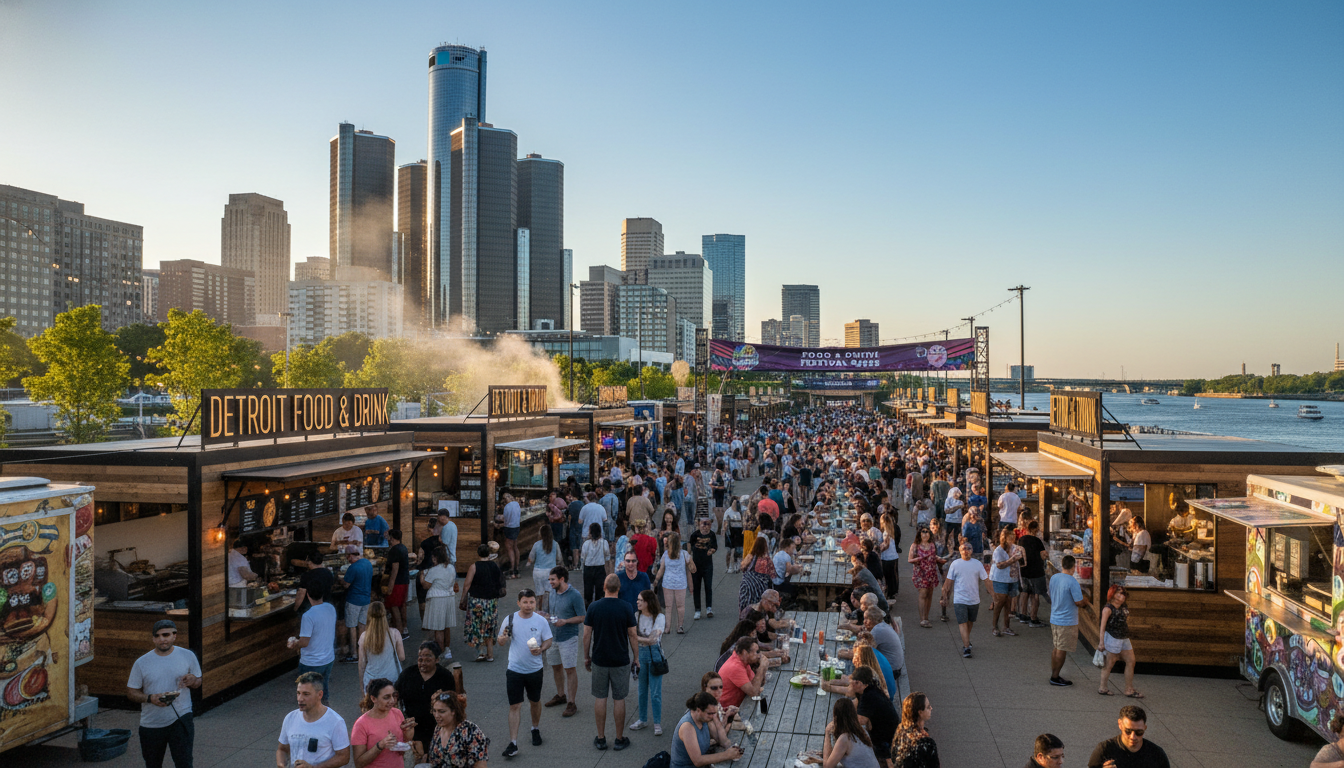
As Detroit continues its trajectory as a premier destination for travelers and food enthusiasts, city officials and event organizers are finalizing the roadmap for a landmark year of culinary events. The upcoming schedule for Detroit food festivals 2026 represents more than just a series of weekend gatherings; it serves as a critical pillar of the city’s post-pandemic economic recovery strategy and a showcase for the diverse cultural heritage found within the tri-county area.
The Evolution of Detroit’s Food Scene
Over the last decade, Detroit has transitioned from a city known primarily for its industrial heritage to one celebrated for its sophisticated and diverse culinary landscape. According to the Detroit Economic Growth Corporation (DEGC), the hospitality sector has become one of the fastest-growing industries in the city, with small business startups in the food space reaching record highs in recent years. This growth is set to culminate in a 2026 season that emphasizes international flavors, sustainable sourcing, and community-centric events.
Data from the U.S. Census Bureau and local economic reports suggest that Detroit’s food and beverage industry accounts for a significant portion of the city’s service-sector employment. By hosting major food events in Detroit, the city aims to keep this momentum going, providing local chefs with a platform to reach a broader audience while attracting out-of-state revenue. Industry experts suggest that the 2026 calendar will be the most ambitious to date, featuring expanded footprints for legacy events and the introduction of new neighborhood-specific showcases.
Key Culinary Festivals Slated for 2026
While the full schedule is often updated by the Mayor’s Office of Special Events, several cornerstone festivals have already confirmed their dates or expanded programming for the 2026 season. These culinary festivals in Detroit are expected to draw hundreds of thousands of visitors to the downtown core and surrounding neighborhoods.
Detroit Burger Week and the Meat-Free Movement
Traditionally a spring highlight, Detroit Burger Week 2026 is expected to see a 20% increase in participation from local gastropubs. However, the 2026 iteration is also slated to include a larger focus on plant-based innovations. As Detroit residents demand more sustainable dining options, organizers are working with local urban farms to ensure that ingredients are sourced from within the city limits whenever possible.
The Taste of Detroit Riverfront Expansion
The Detroit Riverfront, frequently voted one of the best in the nation, will serve as the backdrop for the largest ‘Taste of Detroit’ event in history. According to a spokesperson for Visit Detroit, the 2026 festival will extend further along the Dequindre Cut, allowing more space for food trucks and pop-up installations. This expansion is designed to alleviate congestion and provide a more accessible experience for families and tourists alike.
The African World Festival and Ethnic Culinary Showcases
While primarily a cultural celebration, the African World Festival remains one of the most important food events in Detroit. For 2026, the culinary component is expected to highlight the historical connection between Southern migration patterns and modern Detroit soul food, alongside contributions from the city’s growing West African and Caribbean immigrant communities.
Impact on Detroit Residents and Small Businesses
The surge in Detroit food festivals 2026 is projected to have a profound impact on local residents, particularly those in the service and gig economies. Local business owners in neighborhoods like Corktown and the Avenue of Fashion have noted that these festivals provide a vital revenue boost that sustains their operations through the slower winter months.
“Events of this scale do more than just fill tables for a weekend,” says a local commerce consultant familiar with the city’s development. “They create a ‘halo effect’ that encourages long-term investment in neighborhood infrastructure.” For residents, the influx of tourism means more job opportunities in the hospitality sector and increased visibility for the hidden gems of the city’s dining scene. You can read more about Detroit’s local economy and how it adapts to seasonal tourism in our recent analysis.
However, the growth also brings challenges. The City of Detroit has announced plans to implement new traffic management strategies for 2026 to ensure that large-scale food events do not disproportionately disrupt the lives of those living in high-traffic areas like Midtown and the Central Business District. Public transit enhancements, including increased frequency for the QLine and local bus routes, are currently being discussed as part of the 2026 preparations.
Economic Projections and Tourism Trends
Visit Detroit, the city’s official tourism bureau, predicts that culinary-focused travel will be a primary driver of hotel bookings throughout 2026. The organization’s research indicates that food enthusiasts are likely to stay longer and spend more per day than the average business traveler. By curating a diverse array of culinary festivals in Detroit, the city is positioning itself to compete with traditional food hubs like Chicago and Toronto.
Furthermore, the 2026 food calendar is being integrated into broader state-wide tourism initiatives. Collaborative efforts with the Michigan Department of Agriculture and Rural Development are expected to highlight the link between Detroit’s restaurant scene and Michigan’s vast agricultural resources. This ‘farm-to-fork’ narrative is a key part of the marketing strategy intended to attract a national audience.
Looking Ahead: Planning for 2026
As the city prepares, residents are encouraged to stay informed about street closures and participation opportunities. Many festivals will begin their vendor application processes in late 2025, offering a chance for new food entrepreneurs to break into the market. For more information on upcoming business permits and city regulations, the City of Detroit official website provides updated resources for event organizers and participants.
For those looking to explore the current state of the city’s dining, our guide on Detroit restaurant developments offers a look at the establishments that will be the stars of the festival circuit in the coming years. With a blend of tradition and innovation, the Detroit food festivals 2026 season promises to be a transformative moment for the city’s identity and its economic future.
Conclusion
Detroit’s journey toward becoming a global culinary destination reaches a critical milestone in 2026. Through careful planning, economic investment, and a commitment to showcasing local talent, the city is set to offer a food festival season that rivals any in North America. Whether you are a lifelong Detroiter or a first-time visitor, the 2026 calendar offers a seat at the table for everyone, celebrating the flavors that make the Motor City unique.