As Detroit enters 2026, the city’s housing market continues to serve as a microcosm of the broader national struggle between rapid urban revitalization and the preservation of neighborhood accessibility. While the city has successfully moved past the era of mass foreclosures that defined the previous decade, a new set of challenges has emerged: the widening gap between stagnant median incomes and rising market-rate developments. For many residents, finding affordable housing in Detroit has become a complex navigation through city-led initiatives and a tightening private market.
The State of Affordable Housing in Detroit
According to the City of Detroit Housing and Revitalization Department (HRD), the municipal strategy for 2026 remains focused on the preservation of existing units while incentivizing developers to include low-income tiers in new builds. The city’s “Housing for the Whole City” initiative, launched several years ago, has reached a critical milestone this year, with several thousand units of deep-subsidy housing undergoing mandatory compliance reviews to ensure they remain accessible to those earning 30% to 50% of the Area Median Income (AMI).
However, local housing advocates point out that the AMI for the Detroit metropolitan area—which includes wealthier surrounding counties—often does not accurately reflect the financial reality of those living within the city limits. Data from the U.S. Census Bureau indicates that while the regional median income may suggest a certain level of affordability, a significant portion of Detroit’s population remains rent-burdened, spending more than 30% of their gross income on housing costs.
Current Housing Programs in Detroit and Support Systems
In response to these pressures, the administration has doubled down on various housing programs in Detroit designed to bridge the affordability gap. The Detroit Housing Network, a coalition of housing counseling agencies, has reported an uptick in residents seeking assistance with down payment grants and rental subsidies. These programs are essential as the city attempts to foster a mix of homeownership and stable rental environments in neighborhoods like the North End and Jefferson-Chalmers.
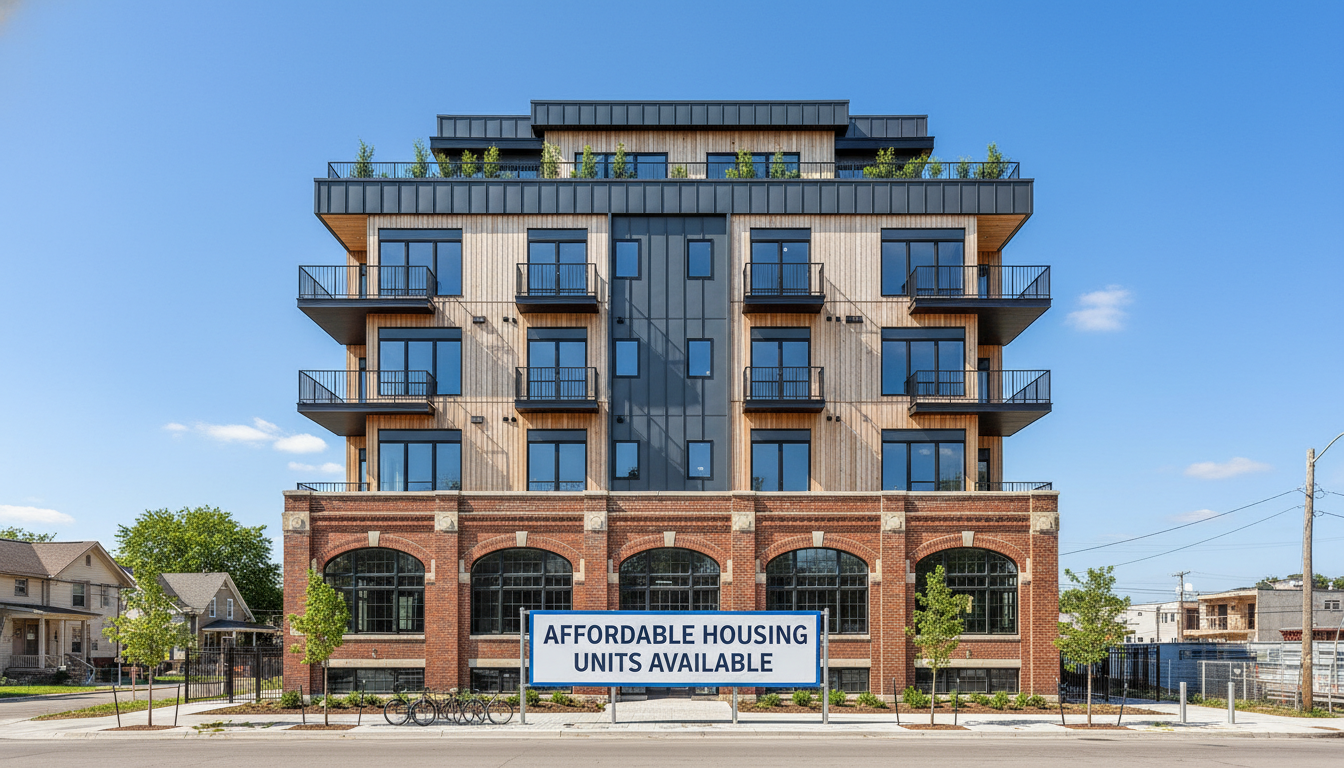
One of the primary tools utilized in 2026 is the Strategic Neighborhood Fund (SNF). This public-private partnership continues to direct investment into neighborhood-specific projects. For example, recent developments in the Live6 and Old Redford areas have prioritized mixed-use buildings that offer commercial space for local entrepreneurs alongside residential units earmarked for low cost housing in Detroit. Internal data from these initiatives suggests that when housing is paired with local business development, neighborhood retention rates see a measurable increase. You can find more information on neighborhood investment trends in our previous coverage.
The Rising Cost of Rent in Detroit Neighborhoods
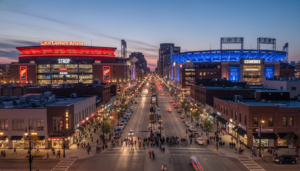
Despite these efforts, the average cost of rent in Detroit has seen a steady climb. This trend is most visible in the Greater Downtown area, including Midtown and Corktown, where the influx of corporate headquarters and tech-driven employment has driven up demand. In 2026, market analysts have observed that the “spillover effect” is now significantly impacting adjacent neighborhoods that were previously considered highly affordable.
Local housing analysts suggest that the demand for modern amenities in new construction is pushing developers toward luxury price points. This has left a “missing middle” in the housing inventory—housing that is neither deeply subsidized nor high-end luxury. To combat this, the city has utilized federal Low-Income Housing Tax Credits (LIHTC) to encourage the construction of workforce housing, aimed at teachers, city employees, and service workers who may not qualify for low-income assistance but are priced out of the new market-rate apartments.
Impact on Local Residents and Neighborhood Stability
The human impact of these economic shifts is felt most acutely by legacy residents. In neighborhoods where property values are rising for the first time in decades, the increase in property taxes—while beneficial for the city’s general fund—can lead to indirect displacement for homeowners on fixed incomes. According to the Detroit Future City 2026 report, the stability of middle-class Black neighborhoods is essential to the city’s long-term health. The report emphasizes that without robust protections, the very people who maintained the city’s fabric during its leanest years may find themselves unable to afford the city’s rebirth.
Resident groups in the Cass Corridor have voiced concerns that the concentration of affordable housing in Detroit is becoming unevenly distributed. While some blocks see a surplus of renovated units, others remain plagued by blighted structures that are too costly for individual homeowners to repair but not lucrative enough for large-scale developers to flip. This disparity has led to calls for more aggressive blight remediation that transitions properties back into the hands of community land trusts. For more on the city’s infrastructure changes, read our report on Detroit development updates.
Background & Data: The Numbers Behind the Crisis
Looking at the broader data provided by the Michigan State Housing Development Authority (MSHDA), Detroit currently requires an estimated 30,000 additional units of affordable housing to meet the needs of its current population. The gap is exacerbated by the age of the existing housing stock; nearly 70% of Detroit’s residential buildings were constructed before 1950, leading to high maintenance costs and energy inefficiency. This often results in “hidden costs” for renters, where utility bills can sometimes equal half the monthly rent in the winter months.
Investment in weatherization programs and green energy retrofits has become a secondary but vital pillar of affordable housing Detroit initiatives. By reducing the operational costs of a home, the city can effectively lower the total cost of living for residents without relying solely on rental caps or subsidies.
What Happens Next: The Future Outlook
The remainder of 2026 will be a testing ground for several large-scale projects slated for completion. As new units come online, city officials will be monitoring whether the vacancy rates in market-rate buildings lead to a price correction that benefits the average renter. Furthermore, the role of the Detroit Housing Commission will be pivotal as it manages the waitlists for Section 8 vouchers, which remain at near-capacity levels.
For more official resources and to check eligibility for current programs, residents are encouraged to visit the Detroit Housing and Revitalization Department website. The path forward for Detroit requires a delicate balance of attracting new investment while ensuring that the “Comeback City” remains a home for all its citizens, regardless of their income level. The challenges are significant, but with coordinated policy and community oversight, the opportunities for a more equitable Detroit remain within reach.