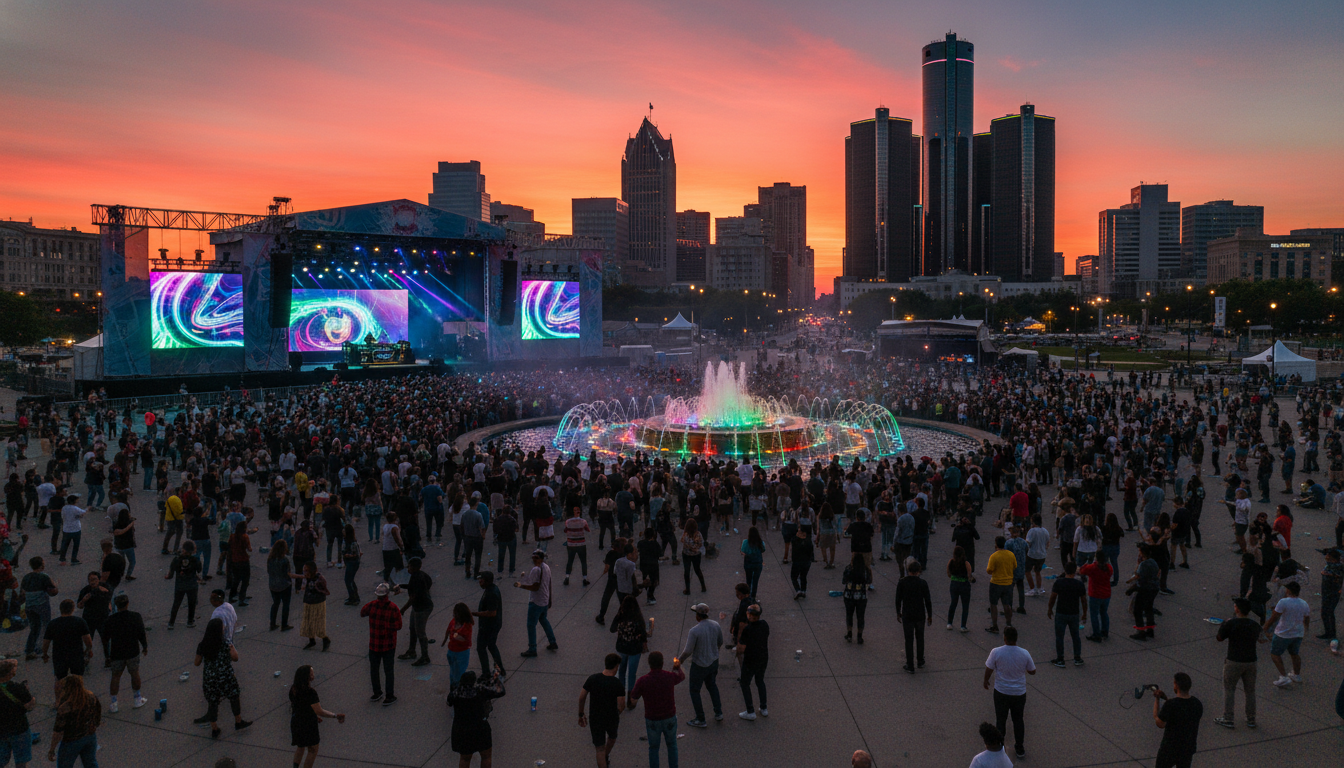
For decades, Detroit techno served as the city’s best-kept secret, a sonic revolution born in the shadows of shuttered factories and basement studios. Today, the landscape looks remarkably different. Each Memorial Day weekend, Hart Plaza transforms into a global pilgrimage site as tens of thousands of visitors descend upon the city for the Movement Electronic Music Festival. As the genre attracts massive corporate sponsorships and international tourism, a growing debate has emerged among residents and historians: Has Detroit techno become too mainstream?
The Shift from Underground to International Industry
The origins of Detroit techno are deeply rooted in the social and economic shifts of the 1980s. Pioneers like the “Belleville Three”—Juan Atkins, Derrick May, and Kevin Saunderson—fused European synthesizer pop with African American rhythmic traditions, creating a sound that was experimental, futuristic, and fiercely independent. According to archival records from the Detroit Historical Society, this music was initially a localized phenomenon, played at late-night parties and on influential radio programs like those of The Electrifying Mojo.
In 2024, the scale of the Detroit music scene has expanded into a multi-million dollar economic driver. Paxahau, the production company behind Movement, has successfully professionalized what was once a grassroots gathering. While this has brought unprecedented visibility to the city, it has also introduced elements of commercialization that some purists find jarring. The presence of luxury VIP lounges and high-priced ticket packages contrasts sharply with the genre’s anti-establishment beginnings.
Impact on Detroit Residents and Local Artists
For the average resident, the “mainstreaming” of techno is a double-edged sword. On one hand, the influx of international visitors provides a significant boost to local businesses. Data from the Detroit Economic Growth Corporation (DEGC) suggests that large-scale cultural events contribute millions to the hospitality and service sectors annually. You can read more about how these trends affect the Detroit economy in our previous coverage.
On the other hand, the “techno tourism” boom has contributed to the gentrification of nightlife spaces. Venues that once catered to local neighborhoods in areas like Corktown or the North End have seen rising rent costs and increased scrutiny from developers. Local artists often find themselves competing for stage time with international DJs who command higher booking fees. “The sound is global now, but the struggle to keep it accessible to the community that built it is very real,” noted a local promoter during a recent community forum on techno culture Detroit.
Preserving the Authenticity of Techno Culture Detroit
Despite the commercial pressures, many Detroiters are working to ensure the music’s roots are not forgotten. Organizations like Submerge and the Exhibit 3000 museum serve as vital repositories for the genre’s history. These institutions emphasize that techno is not just a commercial product but a cultural legacy. The UNESCO designation of Detroit as a “City of Design” has further validated the global importance of its musical output, placing Detroit techno on the same level of cultural significance as Motown.
Educational initiatives have also spiked. Programs designed to teach local youth the technical aspects of electronic music production are flourishing in neighborhood community centers. By keeping the means of production in the hands of Detroit residents, the city ensures that the next generation can define the sound on their own terms, rather than following global commercial trends. For more on how the city supports its creators, visit our section on Detroit arts and culture.
Background and Data: The Numbers Behind the Beat
According to research published by Wayne State University, the creative economy in Detroit has grown steadily over the last decade, with electronic music playing a central role in the city’s international branding. While the term “mainstream” often carries a negative connotation in artistic circles, the data shows that this visibility has led to increased funding for public arts projects and historical preservation. A report from the Michigan Economic Development Corporation highlights that music-related tourism is one of the fastest-growing sectors in the state’s travel industry.
However, the challenge remains in balancing growth with equity. As the Detroit music scene becomes more integrated into the global entertainment market, the city must address issues of venue ownership and neighborhood displacement. The “underground” has moved to the surface, and with that move comes a new set of responsibilities for city planners and cultural leaders alike.
What Happens Next for the Scene?
The future of Detroit techno likely lies in a hybrid model that embraces its global reach while doubling down on its local origins. As venues like Spot Lite, TV Lounge, and Marble Bar continue to serve as anchors for the community, there is a push to create more permanent protections for cultural landmarks associated with the music. Future city council sessions are expected to discuss zoning changes that could help preserve “nightlife districts” from being overshadowed by residential high-rises.
Whether the sound is considered “too mainstream” is ultimately a matter of perspective. To the thousands of fans who fill Hart Plaza every year, it is a celebration of a living, breathing art form. To the pioneers who started it in their bedrooms forty years ago, it is a testament to the enduring power of Detroit’s creative spirit. As the genre continues to evolve, the primary goal for the city remains clear: ensuring that the heartbeat of the underground is never fully drowned out by the noise of the mainstream.
For more official information on city cultural events, visit the City of Detroit Arts and Culture Office.