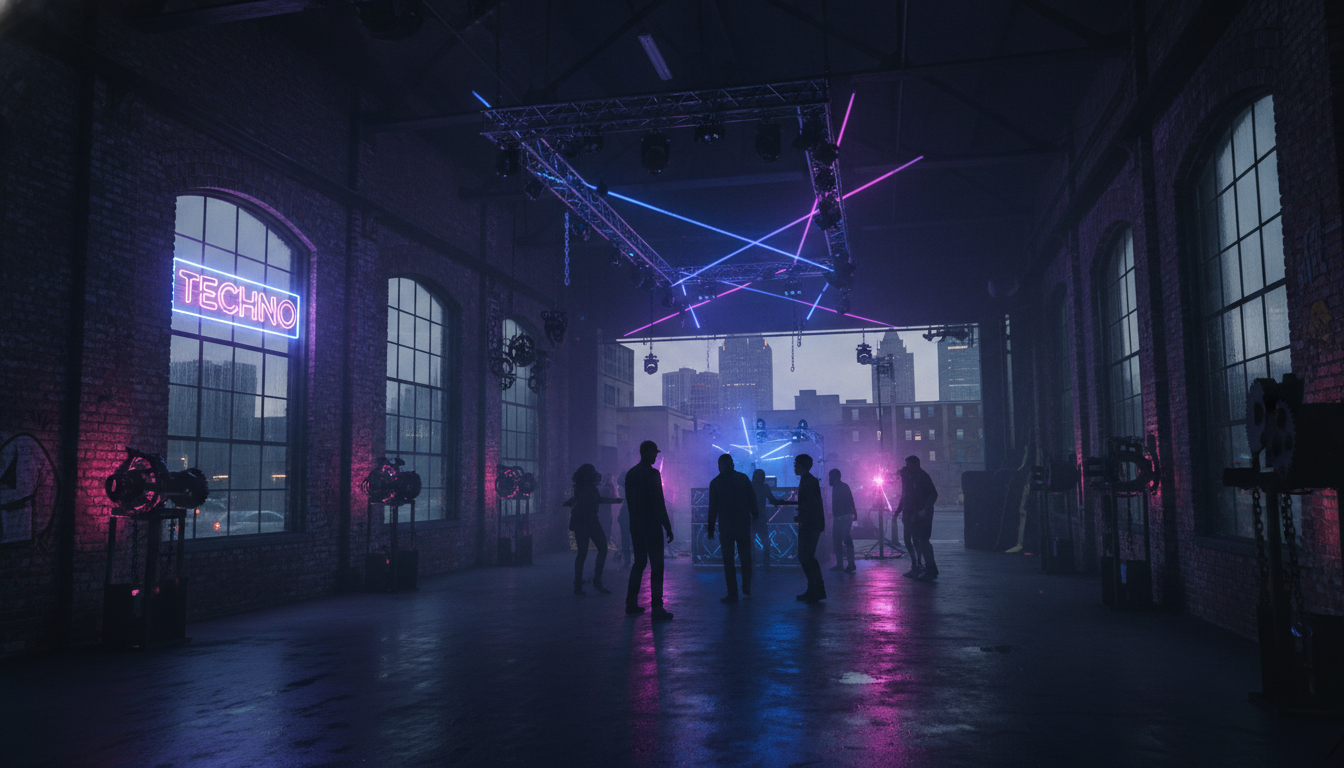
In the late 1980s, a futuristic sound emerged from the basements of the North End and the industrial corridors of Detroit. Born from the intersection of African American musical traditions and the city’s automotive decline, Detroit techno music became a global phenomenon. Today, as electronic dance music (EDM) generates billions of dollars in revenue worldwide, the pioneers and current stewards of the Detroit sound are warning of a deepening identity crisis. While the genre is more popular than ever, many local figures argue that the core values of Detroit culture are being stripped away by commercialization and international commodification.
The Paradox of Global Success
According to reports from the International Music Summit, the global electronic music industry is now valued at over $10 billion. This explosion in interest has seen Detroit artists headlining major festivals in Berlin, Ibiza, and Tokyo. However, the local scene in Detroit tells a more complicated story. While the annual Movement Electronic Music Festival attracts over 100,000 visitors and contributes more than $20 million to the local economy, local artists say the genre’s roots are becoming obscured.
The City of Detroit Office of Arts, Culture and Entrepreneurship (ACE) has recently increased efforts to recognize the genre as a cornerstone of the city’s heritage. Yet, many local producers feel that the industry outside of Michigan often overlooks the socioeconomic conditions that birthed the sound. “The music was a response to the automation of the workforce and the resilience of the Black community,” said a local historian from the Detroit Historical Society. “When you remove the context of Detroit culture, it becomes just another product for consumption.”
Impact on Detroit Residents and Artists
The global surge in popularity has created a dual-edged sword for residents. On one hand, tourism related to electronic music Detroit has revitalized certain downtown corridors. On the other, the gentrification of neighborhoods like Eastern Market and Corktown has led to the closure of underground venues that once served as incubators for new talent. As property values rise, the DIY spaces that defined the genre are being replaced by luxury developments.
For local musicians, the barrier to entry is higher than ever. “It’s getting harder for young people in the city to find spaces to create,” noted a representative from a local arts non-profit. The displacement of artists mirrors broader trends in Detroit neighborhood development, where long-term residents often feel sidelined by rapid economic shifts. For the Detroit techno music community, this isn’t just about sound; it’s about the right to inhabit and define the spaces where that sound is created.
Background and Data: A Legacy at Risk
The historical significance of Detroit techno music is documented by the Detroit Historical Society, which traces the genre back to the “Belleville Three”—Juan Atkins, Kevin Saunderson, and Derrick May. These innovators blended European synth-pop with American funk and soul, creating a sound that was uniquely reflective of a post-industrial landscape.
Data from the Michigan Economic Development Corporation (MEDC) indicates that creative industries are a vital part of the state’s Detroit local business ecosystem. However, the majority of the profit from Detroit-branded music is often captured by international promoters and streaming platforms. Local advocates are now pushing for more equitable distribution models and the establishment of a dedicated cultural district that would protect the heritage of electronic music Detroit from predatory real estate practices.
Preserving the Underground Spirit
Despite the commercial pressures, Detroit continues to fight for its legacy. Organizations like Exhibit 3000, a museum dedicated to techno history located within the Submerge building, serve as critical educational hubs. These institutions emphasize that techno is a Black music genre, a fact that is frequently erased in the mainstream EDM circuit. By focusing on education and archival work, local leaders hope to ensure that the global audience understands the weight behind the beats.
What Happens Next
The future of Detroit techno music depends on a balance between global expansion and local preservation. As the city continues to see new investment, city council members have begun discussing potential ordinances to protect “legacy creative spaces.” This could involve tax breaks for venues that have operated for over a decade or grants specifically for musicians residing within the city limits.
The upcoming festival season will be a litmus test for how the city manages its cultural exports. As international tourists flock to the birthplace of the sound, the pressure remains on city leaders and industry stakeholders to ensure that Detroit culture is not just a marketing tool, but a protected and thriving reality for the people who live here. The goal is to ensure that while the world listens to Detroit, the city itself doesn’t lose its voice.